

Europe Shatters Forest Fire Records Amid Unprecedented Destruction
Translated from Hungarian, summarized and contextualized by DistantNews.
At a glance
News
Named sources
Ongoing story
- Europe is experiencing unprecedented forest fires, breaking records and causing widespread devastation due to extreme heat and drought.
- Spain is battling its largest wildfire to date, forcing the evacuation of 34 villages, while southern France faces similar challenges with rapid fire spread.
- Scientists attribute the escalating crisis to human-caused climate change, noting that Europe is warming faster than any other continent, leading to more frequent and intense extreme weather events.
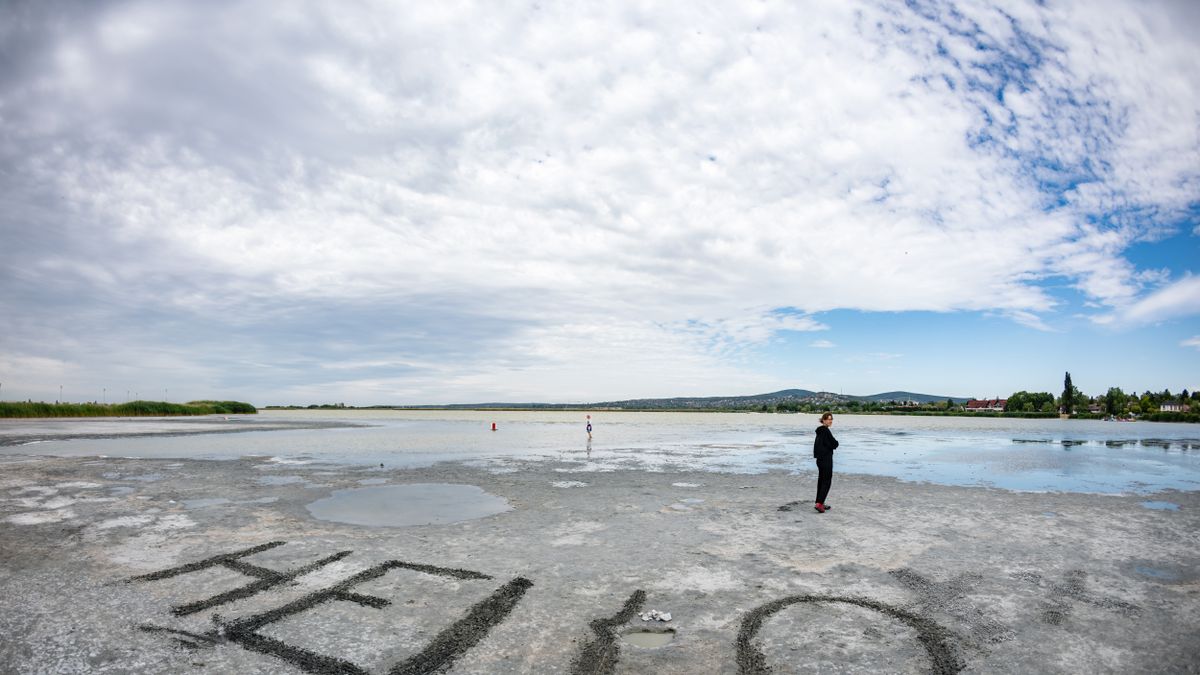
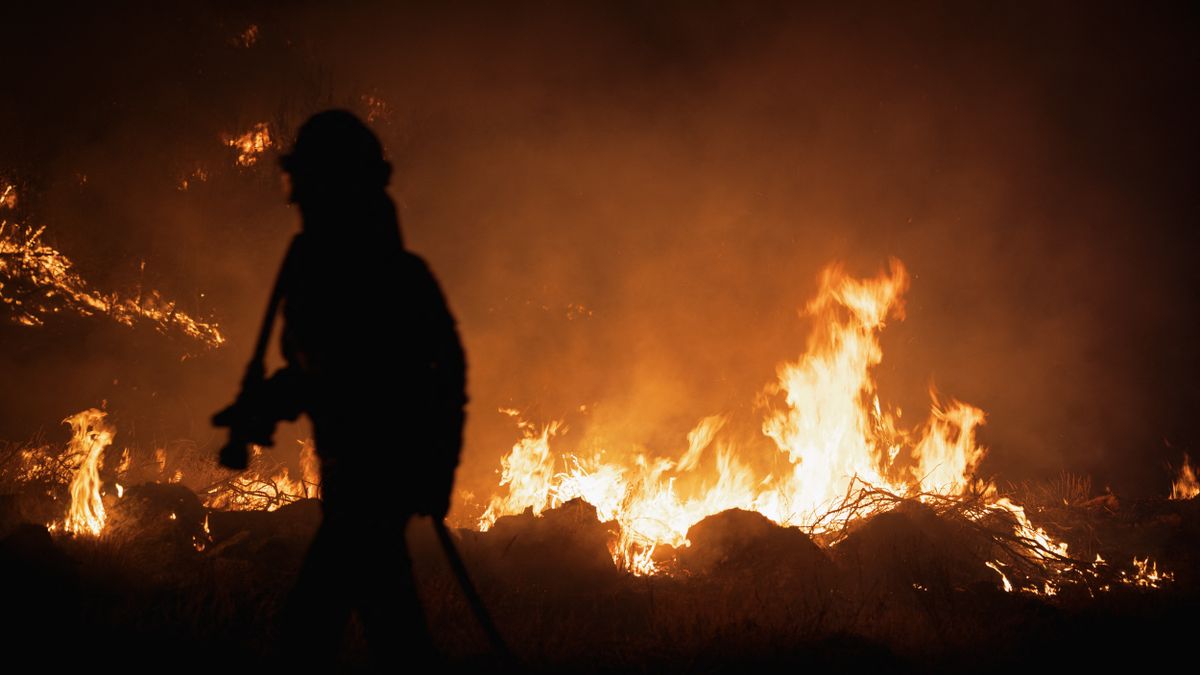
Europe is grappling with a catastrophic wildfire season, marked by record-breaking blazes and immense destruction across the continent. Spain is currently contending with its largest wildfire this year, scorching over 32,000 hectares and necessitating the evacuation of 34 villages due to unpredictable flames. In southern France, hundreds of hectares have been consumed by fire in mere hours, prompting authorities to impose strict fire bans.
The extreme heatwaves, with temperatures soaring to 44 degrees Celsius in parts of Spain, combined with bone-dry vegetation, create conditions where fires ignite and spread with terrifying speed. Firefighters are struggling to contain the infernos, relying heavily on aerial water drops as traditional ground-based methods prove increasingly ineffective. This situation has triggered the largest-ever standby operation in the European Union's history, deploying 777 firefighters and a fleet of aircraft from 14 member states to the most vulnerable regions.
Scientists and meteorological institutes are sounding the alarm, unequivocally linking the current crisis to human-induced climate change. Europe is warming at a rate faster than any other continent, making extreme weather events like heatwaves and subsequent wildfires more frequent and severe. The prolonged droughts dry out soil and vegetation, diminishing the natural resilience of forests. Fire seasons are starting earlier and lasting longer than two decades ago, with the annual average of burned areas increasing exponentially. Furthermore, these fires release vast amounts of carbon dioxide, creating a feedback loop that exacerbates global warming.
DistantNews Editorial
Originally published by Magyar Nemzet in Hungarian. Translated, summarized, and contextualized by our editorial team with added local perspective. Read our editorial standards.
More Stories

From Our Blog

Countries Without a Free Press: What You Need to Know

What Press Freedom Means for the News You Read

What Gets Lost (and Found) When News Is Translated

The Critical Role of Diaspora Media in Global News

What Travellers Should Know About Countries with Restricted Press
