


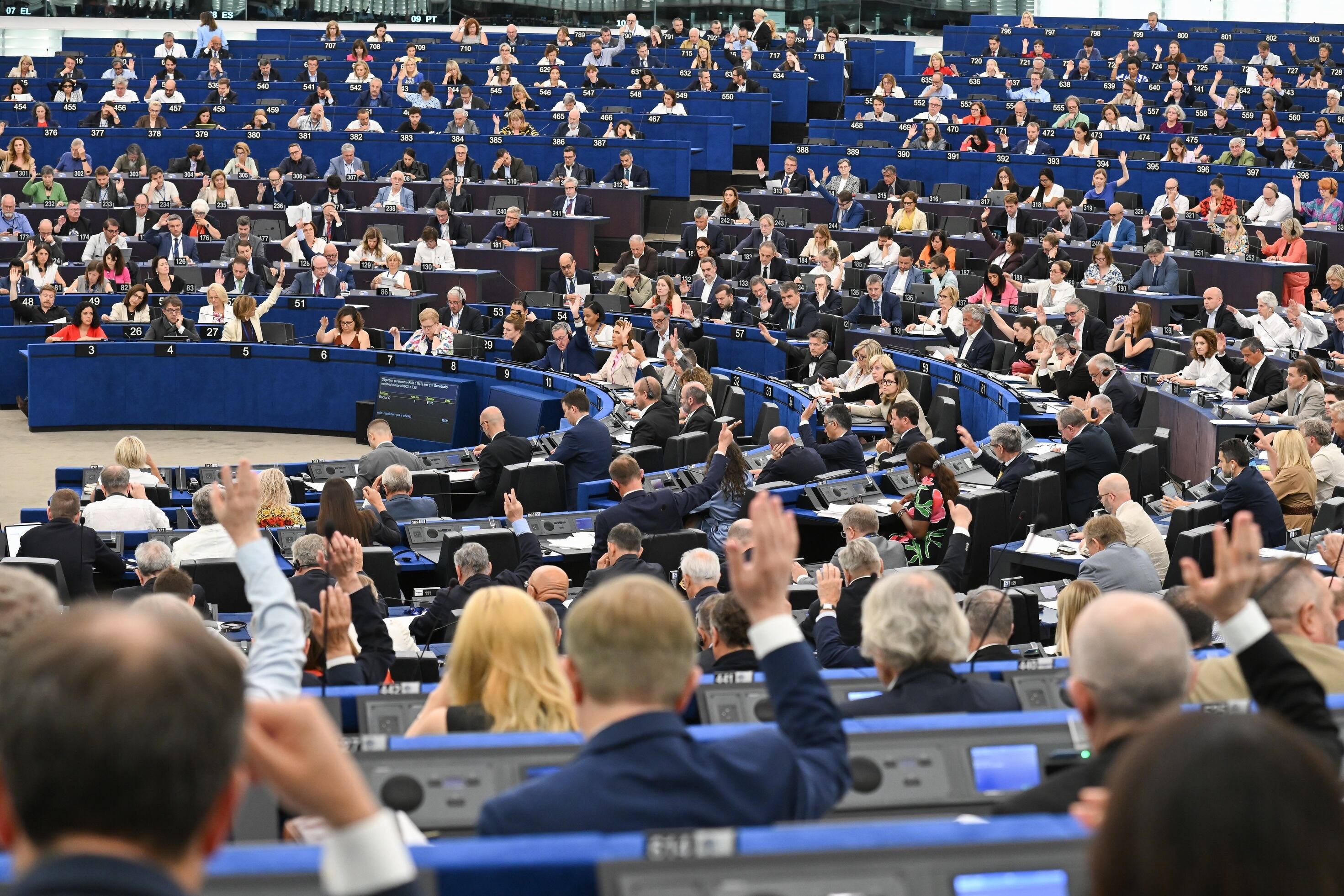
European Parliament Advances Digital Euro Project, Eyes End-of-Year Launch
Translated from Spanish, summarized and contextualized by DistantNews.
At a glance
News
Sources not specified
New plan
- The European Parliament has advanced a project to establish a digital euro.
- The move aims to reduce Europe's reliance on U.S. electronic payment systems.
- Final negotiations are expected to conclude by the end of the year.
The European Parliament has cleared the path for the development of a digital euro, signaling a significant step towards its potential launch by the end of the year. Lawmakers and the Council of the EU are now poised to enter final negotiations on the project, which seeks to reshape the continent's digital financial landscape.
This initiative is driven by a strategic desire to lessen Europe's dependence on established U.S. payment systems. By creating its own digital currency, the EU aims to bolster its financial sovereignty and ensure greater control over electronic transactions within the bloc.
The push for a digital euro is seen as a response to the growing dominance of global tech giants and existing payment infrastructures, many of which are U.S.-based. The European Central Bank has been exploring the feasibility and implications of a central bank digital currency (CBDC) for some time, considering both the opportunities and risks involved.
With the final negotiations commencing, the focus will be on finalizing the technical specifications, regulatory framework, and privacy safeguards for the digital euro. The successful implementation of this project could mark a new era for monetary policy and financial services in Europe, offering consumers and businesses a new digital payment option.
DistantNews Editorial
Originally published by El País in Spanish. Translated, summarized, and contextualized by our editorial team with added local perspective. Read our editorial standards.
More Stories



From Our Blog

What Gets Lost (and Found) When News Is Translated

The Critical Role of Diaspora Media in Global News

What Travellers Should Know About Countries with Restricted Press

A Digital Nomad's Guide to Following Local News

How the Same Story Looks Different in Different Countries
