


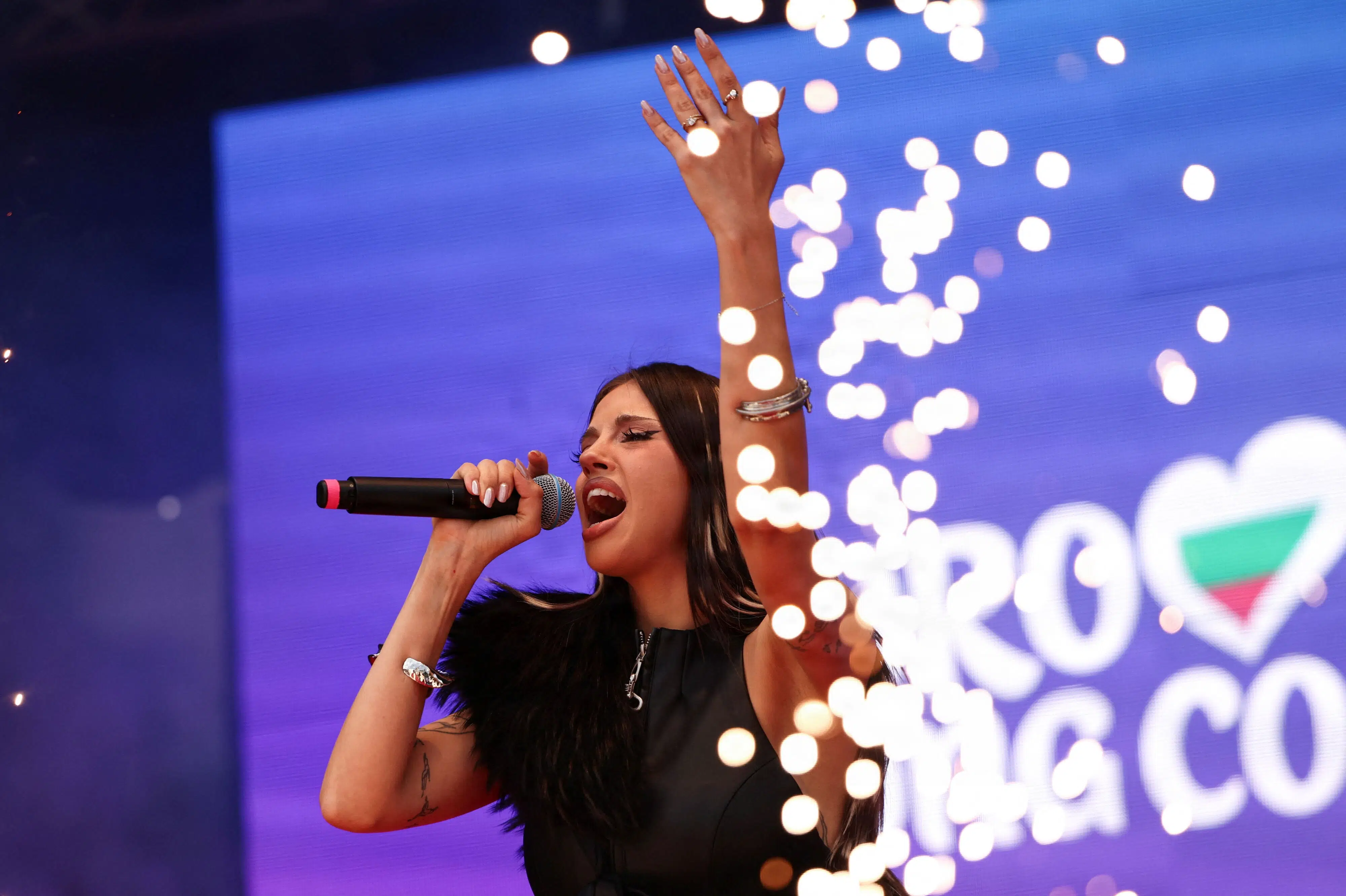
Eurovision: War and conflict can strip winning country of hosting rights
Translated from Danish, summarized and contextualized by DistantNews.
At a glance
News
Official statement
New plan
- The European Broadcasting Union (EBU) will automatically disqualify any winning country from hosting Eurovision if it is experiencing armed conflict or significant security risks.
- This change aims to ensure artist safety and maintain a welcoming environment for the competition.
- The decision follows feedback from participating broadcasters, including Denmark's DR, after Ukraine was unable to host in 2023 due to the ongoing conflict with Russia.
The European Broadcasting Union (EBU) has announced significant changes to Eurovision's hosting rules, stating that a winning country will automatically be deemed unsuitable to host if it is embroiled in armed conflict, faces sensitive geopolitical situations, or experiences any other circumstances that compromise safety and stability. This new policy directly addresses concerns raised after Ukraine, the 2022 winner, could not host the 2023 competition due to Russia's invasion.
Instead, the United Kingdom, represented by the BBC, hosted in Liverpool on behalf of Ukraine. The decision to change the rules comes after feedback from participating broadcasters, including Denmark's DR, who competed in this year's event held in Liverpool. The EBU emphasized that these changes are designed to provide greater clarity, protect artists, and ensure the competition continues to foster a safe and welcoming environment while preserving its unique spirit and integrity.
If a winning nation is deemed unfit to host, the EBU will appoint an alternative host producer. This producer will assume all rights, obligations, and responsibilities for staging the event, but will organize it in their own name and not on behalf of the original winning country. This ensures the competition proceeds even when the designated winner cannot fulfill hosting duties due to external circumstances.
These changes are about giving all involved greater clarity, protecting the artists, and ensuring that the competition continues to create a safe and welcoming environment, while preserving the spirit and integrity that makes Eurovision so special.
DistantNews Editorial
Originally published by Berlingske in Danish. Translated, summarized, and contextualized by our editorial team with added local perspective. Read our editorial standards.
More Stories


From Our Blog

What Gets Lost (and Found) When News Is Translated

The Critical Role of Diaspora Media in Global News

What Travellers Should Know About Countries with Restricted Press

A Digital Nomad's Guide to Following Local News

How the Same Story Looks Different in Different Countries
