

Eurozone activity posts best performance since start of Iran war
Translated from Spanish, summarized and contextualized by DistantNews.
At a glance
News
Official statement
New plan
- Eurozone private sector activity expanded in July for the first time since March, reaching its highest level since the start of the war in Iran.
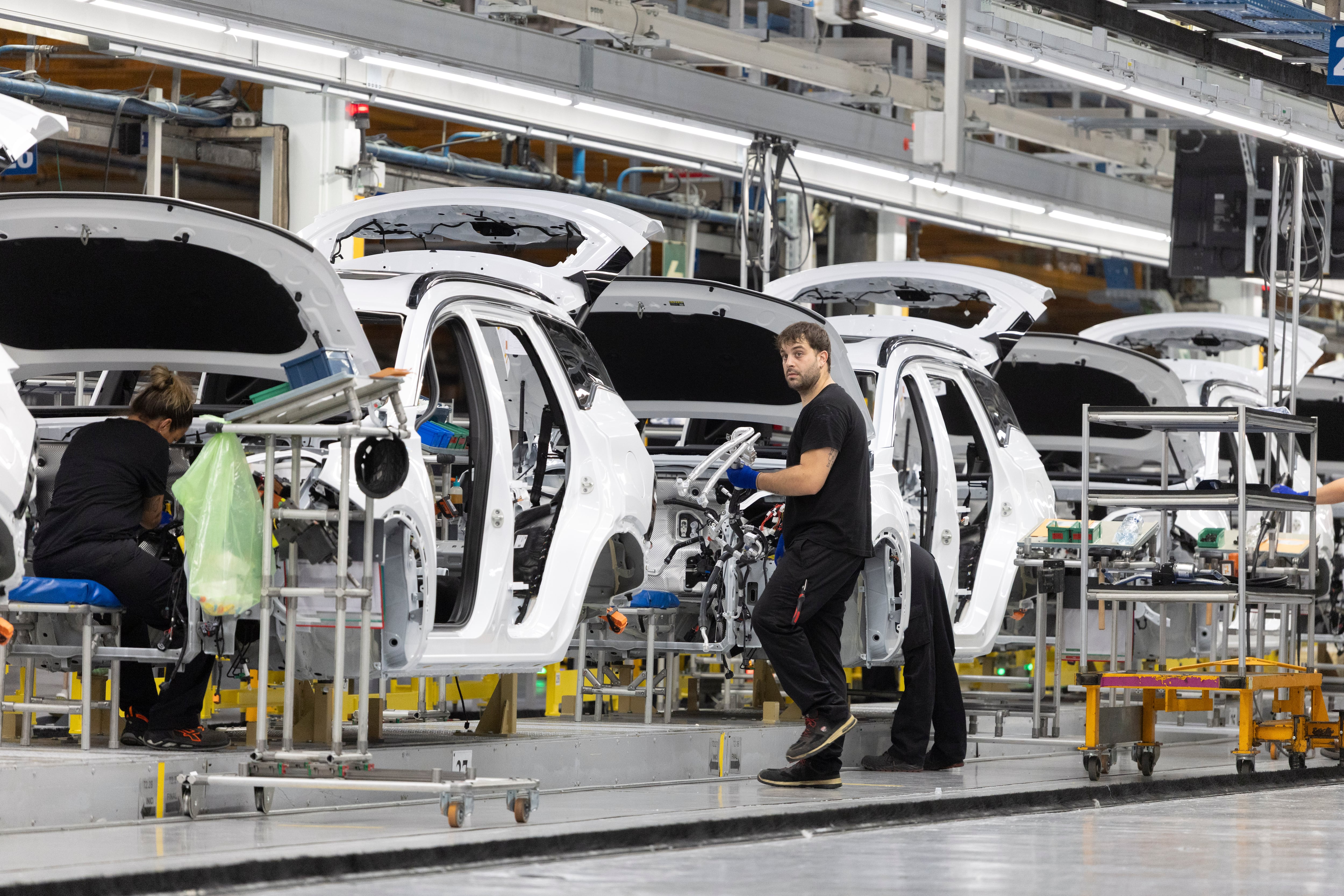
- New orders increased, driven by strong service sector demand and a "sustained and accelerated" manufacturing output.
- However, US tariffs impacted exports, and geopolitical shifts pose risks to growth and inflation.
Eurozone private sector activity has shown encouraging resilience, returning to expansion in July for the first time since March. The global Purchasing Managers' Index (PMI) rose two points from June to 52, its highest level since the conflict in Iran began on February 28. This rebound, driven by robust services activity and a "sustained and accelerated" increase in manufacturing output, signals a positive shift after a period of contraction.
The data shows an image of encouraging resilience in the Eurozone economy in the face of the current war conflict in the Middle East.
New orders saw their fastest growth rate since November 2025, fueled by a surge in demand within the services sector and a slight uptick in industrial demand. This renewed appetite for goods and services suggests growing confidence in the economic outlook. However, the positive momentum faces headwinds from external factors, particularly US tariffs.
US tariffs, announced in late July to range between 10% and 12.5% on over 60 countries including Spain and other EU nations, weakened export performance in July. Chris Williamson, Chief Business Economist at S&P Global Market Intelligence, noted that while the data shows "encouraging resilience," the business climate remains sensitive to the evolving geopolitical landscape. He warned that ongoing conflicts could introduce new downside risks to growth and upward pressure on already elevated inflation.
It also underscores how the business climate is conditioned by the changing geopolitical landscape.
Despite these concerns, the PMI indicates that price increases for eurozone products and services slowed in July, reaching their lowest point since March. Operating costs, however, continued to rise significantly. Williamson suggested this offers the European Central Bank room to delay further interest rate hikes until inflation prospects become clearer. Business confidence also improved, reaching a five-month high, though it remains below pre-conflict levels. Employment stabilized after six months of net job losses.
offer room to delay further interest rate hikes by the European Central Bank until inflation prospects become clearer.
DistantNews Editorial
Originally published by El País in Spanish. Translated, summarized, and contextualized by our editorial team with added local perspective. Read our editorial standards.
More Stories


From Our Blog

What Gets Lost (and Found) When News Is Translated

The Critical Role of Diaspora Media in Global News

What Travellers Should Know About Countries with Restricted Press

A Digital Nomad's Guide to Following Local News

How the Same Story Looks Different in Different Countries
