


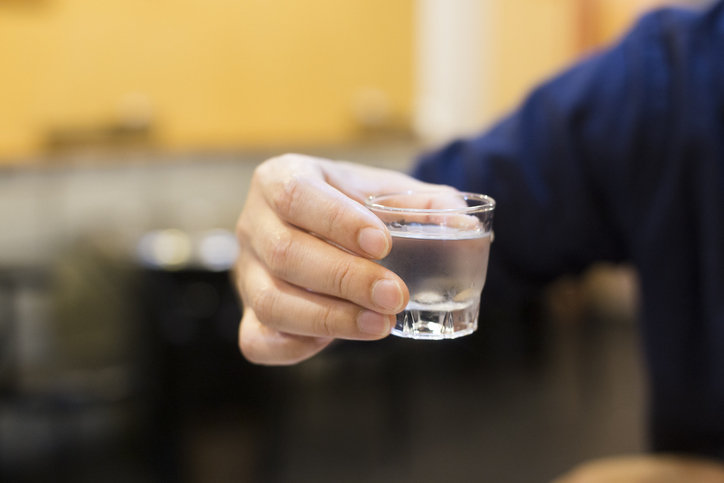
Even small amounts of alcohol increase cancer risk, though some diseases may see reduced risk
Translated from Korean, summarized and contextualized by DistantNews.
At a glance
News
Documents & data
Context piece
- A large-scale analysis indicates that even small amounts of alcohol, like one to two shots of soju or half a can of beer, can increase the risk of major cancers and chronic liver diseases.
- However, some observational studies suggest that light drinking may be associated with a reduced risk of certain cardiovascular, metabolic, and neurological diseases.
- The study, a meta-analysis of 843 studies published up to 2023, used a 'Burden of Proof' framework to estimate risks, evaluating the link between alcohol and 10 types of cancer, all showing increased risk with higher consumption.
Even minimal alcohol consumption, equivalent to one to two shots of soju or half a can of beer, significantly elevates the risk of developing major cancers and chronic liver diseases, according to a comprehensive meta-analysis. The study, published in Nature Health, analyzed 843 patient-control and cohort studies conducted up to 2023. Researchers from the University of Washington's Institute for Health Metrics and Evaluation (IHME) employed a 'Burden of Proof' framework to provide cautious risk estimates.
The analysis consistently found a link between alcohol consumption and cancer. All ten types of cancer examined showed an increasing risk trend with higher alcohol intake, even at levels below one drink per day (less than 10g of pure alcohol). This finding challenges the notion that very light drinking poses no significant health threat.
Conversely, the research also acknowledged observational findings suggesting potential benefits from light drinking. Some studies indicated a reduced risk for certain cardiovascular, metabolic, and neurological diseases among individuals who consume small amounts of alcohol. However, the study's methodology emphasizes the cancer risk, highlighting the need for careful consideration of the overall health implications.
DistantNews Editorial
Originally published by Dong-A Ilbo in Korean. Translated, summarized, and contextualized by our editorial team with added local perspective. Read our editorial standards.
More Stories



From Our Blog

What Gets Lost (and Found) When News Is Translated

The Critical Role of Diaspora Media in Global News

What Travellers Should Know About Countries with Restricted Press

A Digital Nomad's Guide to Following Local News

How the Same Story Looks Different in Different Countries
