

Ex-Detective Cannot Prove Claims About Tupac Shakur's Murder
Translated from Danish and summarized by DistantNews. Read the original for the full story.
At a glance
News
Named sources
In the courts
- A former Las Vegas police detective testified that he could not find evidence to prove claims linking a former gang leader to Tupac Shakur's 1996 murder.
- Duane "Keffe D" Davis, accused of orchestrating the killing, denies the charges and claims he was in the car and handed the weapon to the shooter.
- The defense strategy is to create doubt about Davis's credibility, as he has incriminated himself in public statements and private interviews.
- The murder remains a pivotal moment in hip-hop history, symbolizing the East Coast-West Coast rivalry.
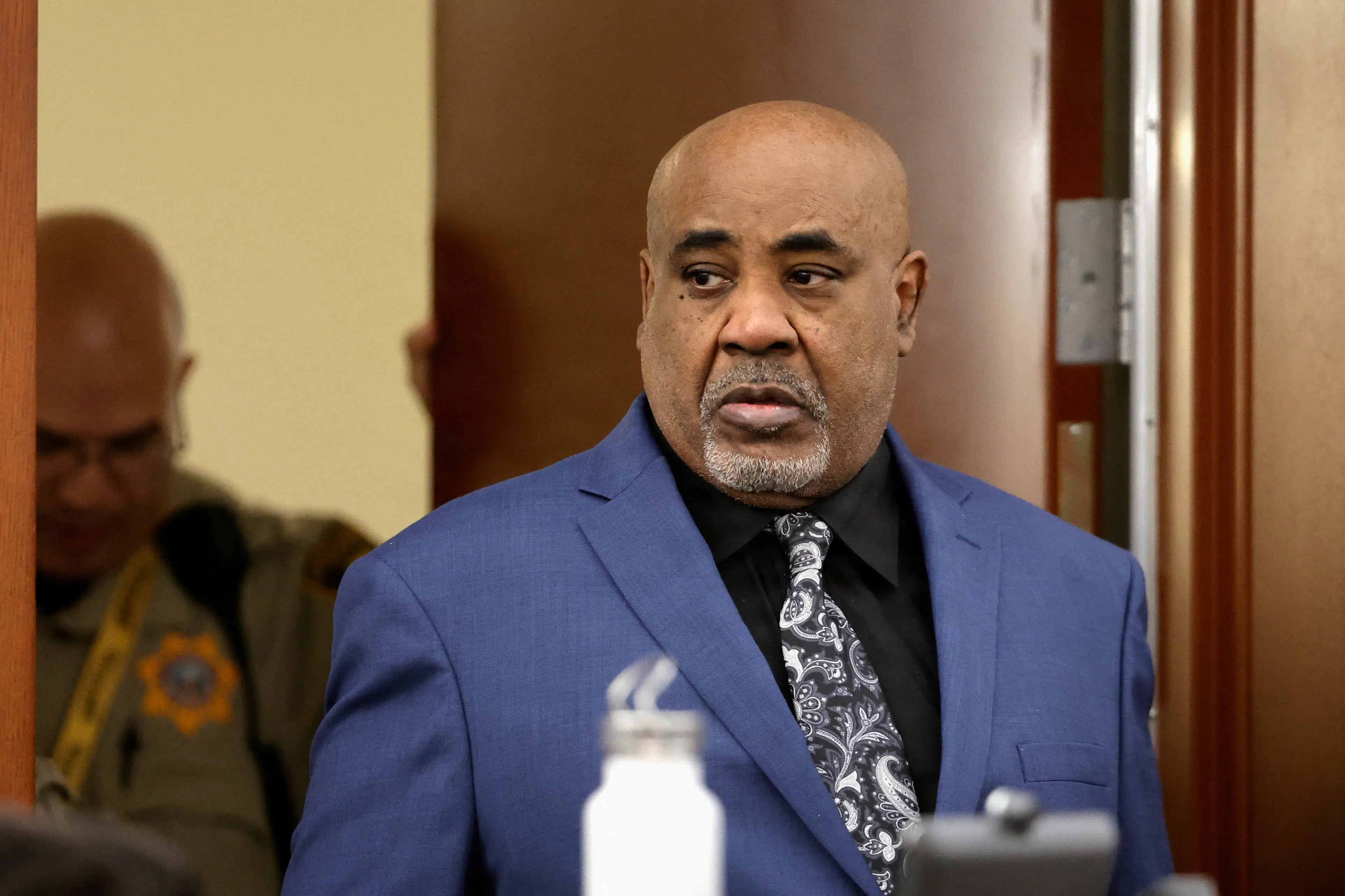
A former detective from the Las Vegas police department testified that he has been unable to find evidence to substantiate claims made by a former gang leader regarding the 1996 murder of rapper Tupac Shakur. The detective's testimony casts doubt on the prosecution's case against Duane "Keffe D" Davis, who is accused of orchestrating the fatal shooting.
Davis, 63, is currently on trial and has pleaded not guilty. The prosecution alleges he led the planning of Shakur's murder. Shakur, known as 2Pac, was shot and killed from a passing vehicle in Las Vegas at the age of 25. He is widely regarded as one of the most influential rappers in history. The case, unfolding three decades later, largely relies on Davis's own public and private statements admitting his presence in the car and that he handed the weapon to the shooter.
During the trial, Davis's defense attorney, Michael Sanft, argued that these statements were mere boasts. Sanft called former homicide detective Dan Long, who interviewed Davis in 2009. Long testified that while he believed Davis's account, which has also been detailed in a memoir, he could not verify any of the claims. "I have not been able to prove any of it," Long stated in court.
I have not been able to prove any of it.
The defense's strategy hinges on creating doubt about Davis's credibility, a risky approach given that Davis has largely incriminated himself. Prosecutors have presented hours of recordings, including public interviews and confidential meetings with investigators, in which Davis recounts his alleged involvement. He described being enraged after Shakur and others assaulted his nephew at a Las Vegas casino on September 7, 1996. Davis claims he, along with three others, including his nephew, drove out that evening to find Shakur and producer Marion "Suge" Knight. He stated he passed a weapon to the back seat, and when they located Knight and Shakur's vehicle, one of the men in the back opened fire.
The murder of Tupac Shakur was a watershed moment in hip-hop history, intensifying the narrative of the conflict between artists from the East and West Coasts of the United States. The three other men in the car with Davis have since died.
The statements were just bragging.
About this summary
Originally published by Berlingske in Danish. Translated, summarized, and contextualized automatically by DistantNews, with a note on how the source frames the story. Not individually reviewed before publishing. How this works.
More Stories



From Our Blog

What Gets Lost (and Found) When News Is Translated

The Critical Role of Diaspora Media in Global News

What Travellers Should Know About Countries with Restricted Press

A Digital Nomad's Guide to Following Local News

How the Same Story Looks Different in Different Countries
