


Expert Warns of 'Undescended Testicle' Risk: Affects 3 in 100 Male Babies
Translated from Turkish, summarized and contextualized by DistantNews.
TLDR
- Undescended testicles (cryptorchidism) affect about 3% of newborn boys, a rate that decreases to 1% by age one.
- Early detection and surgical intervention are crucial to prevent potential complications like infertility and increased cancer risk.
- Parents are urged to check their child's testicles during diaper changes and consult a specialist if any concerns arise.
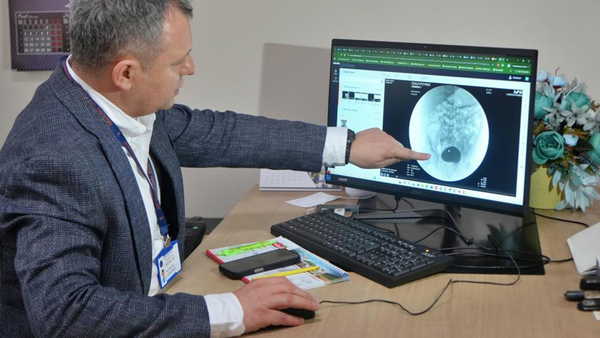
An expert from Akdeniz University Hospital is raising awareness about undescended testicles, a common urological condition in childhood that often goes unnoticed due to low parental and primary care physician awareness. Professor Dr. Murat Uçar emphasizes the critical importance of timely diagnosis and surgical treatment to mitigate serious health risks.
Yaklaşık 100 erkeğin 3'ünde doğduğunda bu testis yerinde olmuyor. O yolculuğunu tamamlayamamış oluyor. İniş yolculuğundaki herhangi bir yerde takılı kalan testise biz inmemiş testis diyoruz
"Approximately 3 out of every 100 male infants are born with this condition, where the testicle fails to descend into the scrotum," explains Prof. Dr. Uçar. While some cases resolve naturally within the first six months, he stresses that a pediatric urology examination within this period is vital. "If we diagnose and treat undescended testicles in a timely manner, we can prevent many potential pathologies that may arise from it," he stated.
The risks associated with untreated cryptorchidism are significant. Prof. Dr. Uçar highlights that the likelihood of developing tumors in undescended testicles is four to five times higher compared to normal testicles. Furthermore, it can lead to reduced fertility later in life. "Why do we bring down the testicles? What happens if the testicle remains stuck? There are several important reasons," he elaborated, pointing to the cellular changes that begin within three months and the increased tumor risk.
Anneler özellikle çocukların bezini değiştirirken testislerin torbalarda olup olmadığını kontrol etmeli. Bu konuda bir şüpheleri varsa bir uzman hekime çocuklarını muayene ettirmeleri çok önemli. Zamanında tanıyı koyup, zamanında tedavi ettiğimiz takdirde inmemiş testislerin ortaya çıkarabileceği birçok patolojinin önüne geçmiş oluyoruz
Parents are advised to be vigilant. "Mothers, especially when changing their children's diapers, should check whether the testicles are in the scrotum. If they have any doubts, it is very important for them to have their children examined by a specialist doctor," urged Prof. Dr. Uçar. He noted that the genital area's private nature can sometimes lead to this issue being overlooked, making parental awareness and proactive checks essential for their child's long-term health.
Neden indiriyoruz biz testisleri? O takılı kaldığı yerde kalsa ne olur, birkaç tane önemli nedeni var testisleri indirmemizin. Öncelikle inmeyen testislerde hücresel değişiklikler 3 aydan sonra hemen başlıyor ve o testiste tümör görülme ihtimali normal testislere göre 4-5 kat daha yüksek olduğunu biliyoruz.
DistantNews Editorial
Originally published by Cumhuriyet in Turkish. Translated, summarized, and contextualized by our editorial team with added local perspective. Read our editorial standards.
More Stories



From Our Blog

What Gets Lost (and Found) When News Is Translated

The Critical Role of Diaspora Media in Global News

What Travellers Should Know About Countries with Restricted Press

A Digital Nomad's Guide to Following Local News

How the Same Story Looks Different in Different Countries
