

Exporters and agricultural sector ask the government to act to prevent new U.S. tariffs over imports linked to forced labor
Translated from Spanish, summarized and contextualized by DistantNews.
At a glance
News
Named sources
Context piece
- Guatemalan exporters and agricultural producers are urging the government to act to prevent new U.S. tariffs related to forced labor.
- They call for the immediate implementation of a Reciprocal Trade Agreement signed with the U.S. in January 2026 and for evidence demonstrating compliance with forced labor prevention.
- The U.S. Trade Representative's office is investigating 60 economies for inadequate measures against products linked to forced labor, potentially imposing 10-12.5% tariffs.
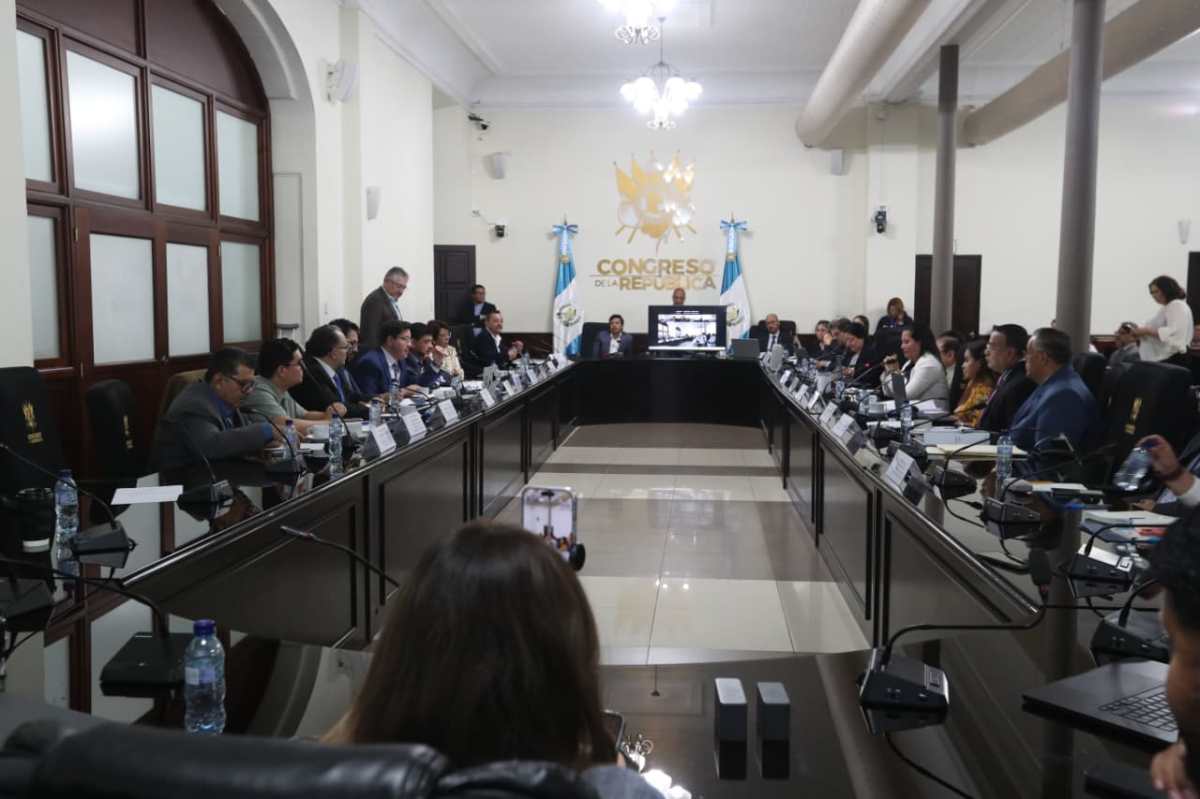
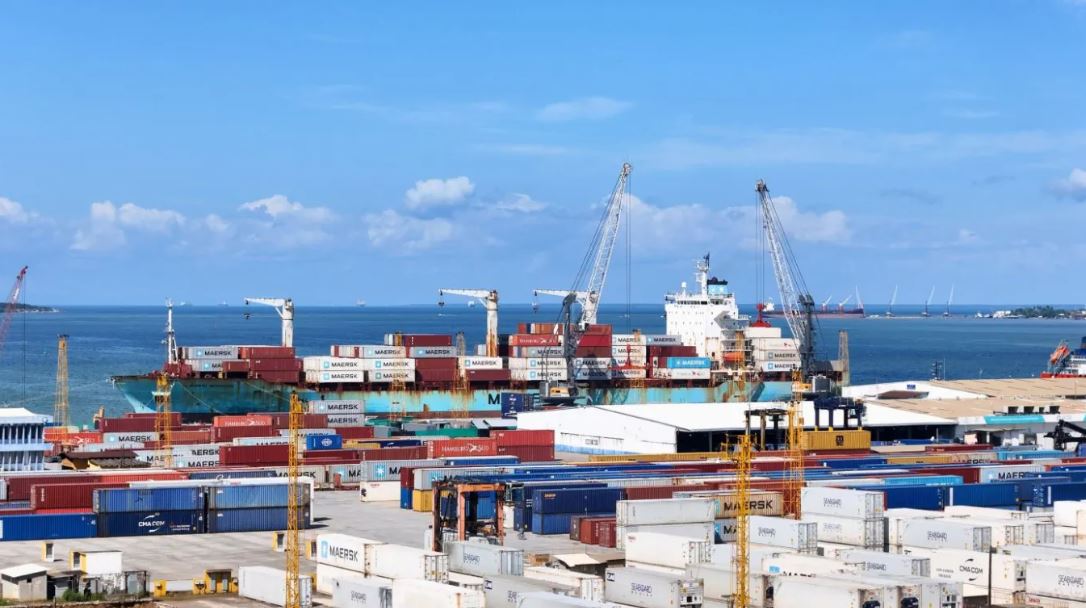
Guatemalan exporters and agricultural producers are sounding the alarm over potential new U.S. tariffs, urging their government to take swift action. The U.S. Trade Representative's office (USTR) has launched a new investigation, prompting concerns that Guatemala could face trade sanctions linked to the prevention of forced labor in imported goods.
Business representatives are calling for urgent government measures, including the enforcement of the Reciprocal Trade Agreement signed between Guatemala and the U.S. in January 2026. They also emphasize the need to present evidence and technical arguments proving Guatemala's adherence to commitments aimed at preventing trade in goods produced through forced labor.
Without a doubt, uncertainty remains because discretion returns.
The USTR's investigation targets 60 economies for failing to adequately implement measures against products associated with forced labor, with potential additional tariffs ranging from 10% to 12.5%. Amador Carballido, director general of the Guatemalan Association of Exporters (Agexport), explained that these measures reflect shifts in U.S. trade policy. He noted that these new tariffs offer an alternative for the U.S. administration following a Supreme Court decision that annulled previous reciprocal tariffs and with other levies set to expire.
Carballido expressed concern that this new approach grants President Donald Trump significant discretion in imposing various tariff rates based on country or product. He pointed to a recent U.S. threat of 25% tariffs against Brazil over deforestation concerns as an example of how such situations could unfold with other nations. The primary strategy for Guatemalan exporters is the activation of the bilateral trade agreement, which Carballido believes would provide clarity for both Guatemalan exporters and U.S. buyers uncertain about future trade conditions.
The first scenario is to demand or try to negotiate with the United States, arguing that Guatemala acted in good faith to negotiate an agreement and that it should be put into effect and not be included in Section 301.
DistantNews Editorial
Originally published by Prensa Libre in Spanish. Translated, summarized, and contextualized by our editorial team with added local perspective. Read our editorial standards.
More Stories

From Our Blog

What Gets Lost (and Found) When News Is Translated

The Critical Role of Diaspora Media in Global News

What Travellers Should Know About Countries with Restricted Press

A Digital Nomad's Guide to Following Local News

How the Same Story Looks Different in Different Countries
