


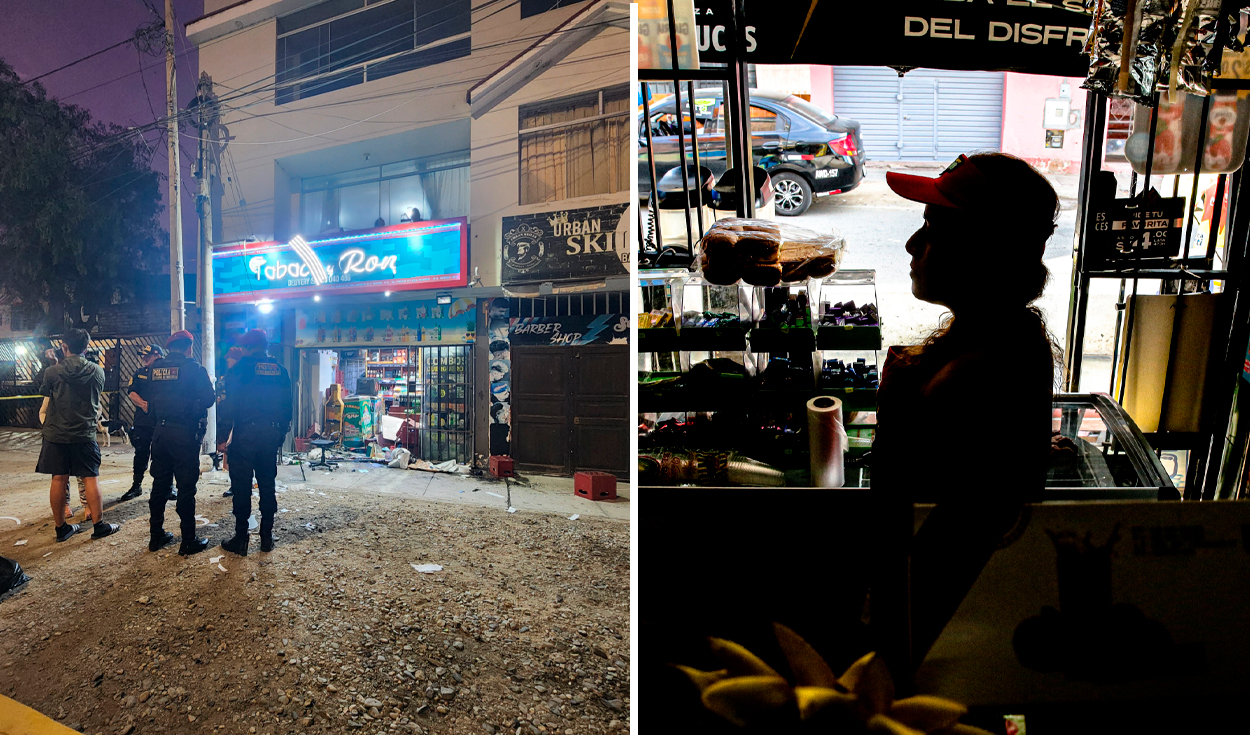
Extortion surges 20% in Peru, small businesses pay up to 10% of income for security
Translated from Spanish, summarized and contextualized by DistantNews.
At a glance
News
Official statement
Context piece
- Extortion cases in Peru rose 20% in 2025, with over 26,000 reported incidents, primarily affecting small businesses.
- Criminal organizations demand daily payments or large sums, forcing businesses to spend up to 10% of their income on security measures.
- The rise in extortion discourages investment, limits job creation, and hinders business growth across the country.
Extortion is increasingly plaguing Peru, extending beyond Lima to affect businesses nationwide. In 2025, the Ministry of the Interior recorded 26,748 extortion complaints, a 20% increase from the previous year. Criminal organizations are intensifying their pressure on merchants, transporters, and small business owners, demanding payments under threat of violence.
Regions like Tumbes and Madre de Dios saw the most significant jumps in reported cases, with increases of 91% and 105% respectively. While Lima still accounts for the highest number of reports, with 11,248 cases, its growth rate of 38% reflects the widespread nature of the problem.
Small and medium-sized enterprises, particularly those with direct customer interaction such as bakeries, pharmacies, and restaurants, are the most vulnerable. According to Daniel Hermoza of Mypes Unidas del Perú, these businesses often allocate up to 10% of their monthly revenue to security measures like surveillance cameras, bars, and private security services. This financial strain diverts resources that could otherwise be used for growth and development.
Economist Gustavo Meza highlighted that small businesses are more exposed because owners often manage operations and interact directly with the public, lacking the economic backing for robust security teams. The pervasive threat of extortion not only impacts immediate profits but also discourages investment, stifles job creation, and impedes overall economic growth in Peru.
DistantNews Editorial
Originally published by La República in Spanish. Translated, summarized, and contextualized by our editorial team with added local perspective. Read our editorial standards.
More Stories



From Our Blog

What Gets Lost (and Found) When News Is Translated

The Critical Role of Diaspora Media in Global News

What Travellers Should Know About Countries with Restricted Press

A Digital Nomad's Guide to Following Local News

How the Same Story Looks Different in Different Countries
