

Extreme heat drives up costs for Italian Parmesan cheese production
Translated from Danish, summarized and contextualized by DistantNews.
At a glance
News
Named sources
Context piece
- Extreme heat is increasing production costs for Parmesan cheese, impacting milk quality and quantity.
- Cows eat less and produce up to 10% less milk in temperatures over 40 degrees Celsius.
- Storage facilities also face higher energy costs to maintain optimal aging conditions for the cheese.
Parmesan cheese production faces a significant challenge as extreme heat affects milk quality and quantity, driving up costs for producers. Nicola Bertinelly, president of the Parmigiano Reggiano consortium, explained that temperatures exceeding 40 degrees Celsius cause cows to eat less, resulting in a milk production decrease of up to 10 percent.
Extreme heat affects milk quality and quantity.
Bertinelly further noted the critical role of rainfall in the region. "If it doesn't rain, the grass doesn't grow, hay cannot be produced, and it is impossible to get the milk needed to make the cheese," he stated, highlighting the dependence on consistent weather patterns for the essential ingredient.
If it doesn't rain, the grass doesn't grow, hay cannot be produced, and it is impossible to get the milk needed to make the cheese.
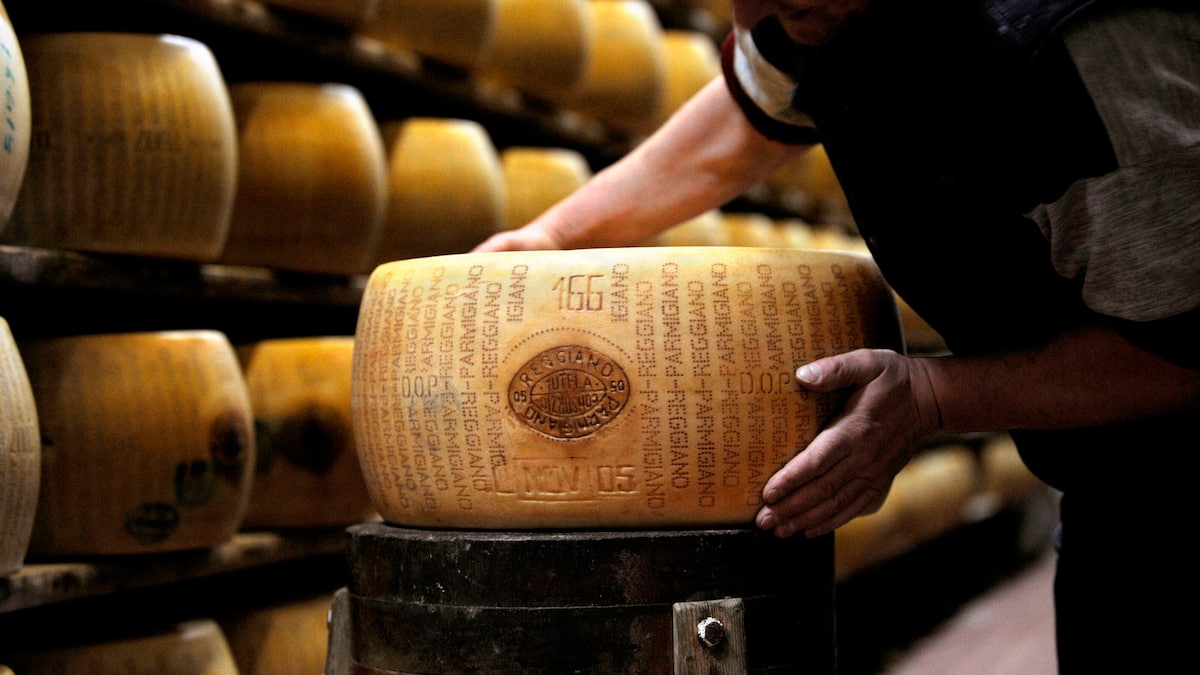
Beyond the farm, the aging process of Parmigiano Reggiano, which requires a minimum of 12 months of storage, also incurs higher expenses. Giancarlo Ravanetti, director of two storage facilities, reported a roughly 30 percent increase in daily energy consumption during the summer's intense heatwaves. This rise in energy use is necessary to maintain the specific conditions required for the cheese to mature properly.
Under this summer's strong heatwaves, our daily energy consumption increased by about 30 percent.
DistantNews Editorial
Originally published by DR Nyheder in Danish. Translated, summarized, and contextualized by our editorial team with added local perspective. Read our editorial standards.
More Stories



From Our Blog

What Gets Lost (and Found) When News Is Translated

The Critical Role of Diaspora Media in Global News

What Travellers Should Know About Countries with Restricted Press

A Digital Nomad's Guide to Following Local News

How the Same Story Looks Different in Different Countries
