


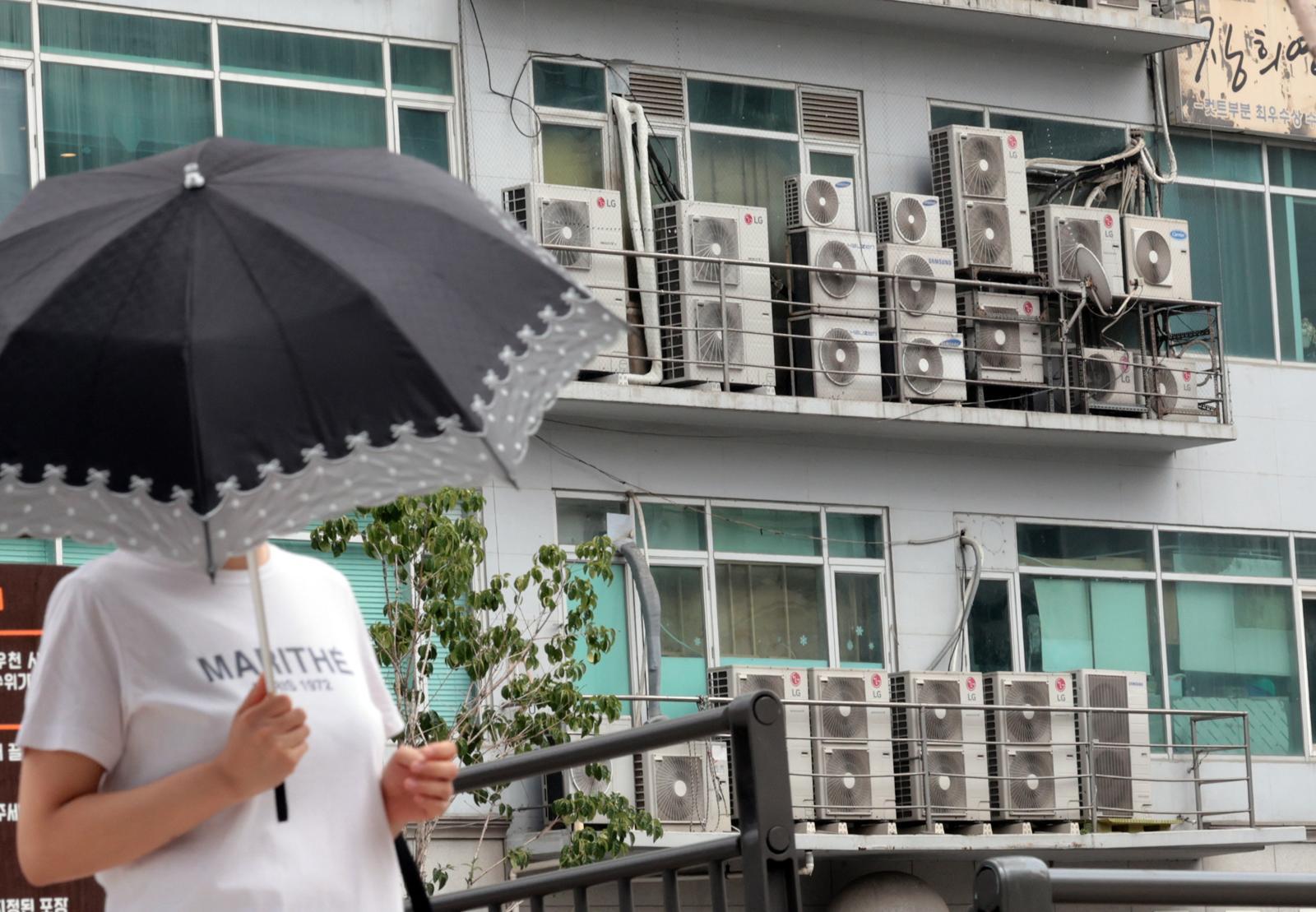
Extreme heatwave triggers surge in 'air conditioning sickness' in South Korea
Translated from Korean, summarized and contextualized by DistantNews.
At a glance
News
Sources not specified
Context piece
- South Korea is experiencing a severe heatwave, leading to a surge in "air conditioning sickness" (naengbangbyeong).
- Symptoms include headaches, sore throats, and digestive issues, caused by prolonged exposure to extreme indoor cooling.
- Medical professionals advise maintaining a moderate indoor temperature difference and ensuring ventilation to prevent the condition.
As South Korea grapples with a relentless heatwave and tropical nights, the prolonged use of air conditioning is leading to a sharp increase in "air conditioning sickness," known locally as naengbangbyeong. Citizens are flocking to clinics with symptoms like headaches, sore throats, and digestive problems, a direct consequence of the stark temperature contrast between scorching outdoor heat and intensely cooled indoor environments.
Clinics in Seoul are reporting long waiting times, with patients of all ages seeking relief. Many describe experiencing nausea, stomach discomfort, and loss of appetite, symptoms that mimic indigestion but are attributed to the drastic temperature shifts. The influx of patients has strained medical resources, with some clinics seeing multiple cases of naengbangbyeong shortly after opening.
Office workers, in particular, are struggling with the effects of constant air conditioning. Many report feeling cold even in mid-summer, relying on cardigans or long-sleeved clothing to cope with office temperatures often set between 23-24 degrees Celsius. Some experience headaches, sore throats, and even diarrhea, initially mistaking them for colds but later diagnosed with naengbangbyeong.
Medical experts recommend maintaining an indoor temperature difference of around 5 degrees Celsius from the outside and adjusting air conditioner airflow to avoid direct exposure to cold air. They also advise regular ventilation of indoor spaces and frequent hydration. While the heatwave is expected to slightly subside, the prolonged use of air conditioning means that managing health amidst these temperature fluctuations remains a critical concern for the public.
DistantNews Editorial
Originally published by Dong-A Ilbo in Korean. Translated, summarized, and contextualized by our editorial team with added local perspective. Read our editorial standards.
More Stories



From Our Blog

What Gets Lost (and Found) When News Is Translated

The Critical Role of Diaspora Media in Global News

What Travellers Should Know About Countries with Restricted Press

A Digital Nomad's Guide to Following Local News

How the Same Story Looks Different in Different Countries
