

FACTS: Ceuta is a small Spanish peninsula with 85,000 inhabitants
Translated from Danish, summarized and contextualized by DistantNews.
At a glance
Explainer
Sources not specified
Context piece
- Ceuta, a Spanish exclave on the African continent, is facing a surge in migrant crossings.
- The city, which has been Spanish territory since 1580, shares a border with Morocco and is one of the EU's only land borders with Africa.
- Migrants often attempt to cross by climbing fences, using tools, or swimming, aiming to reach mainland Spain or other parts of Europe.
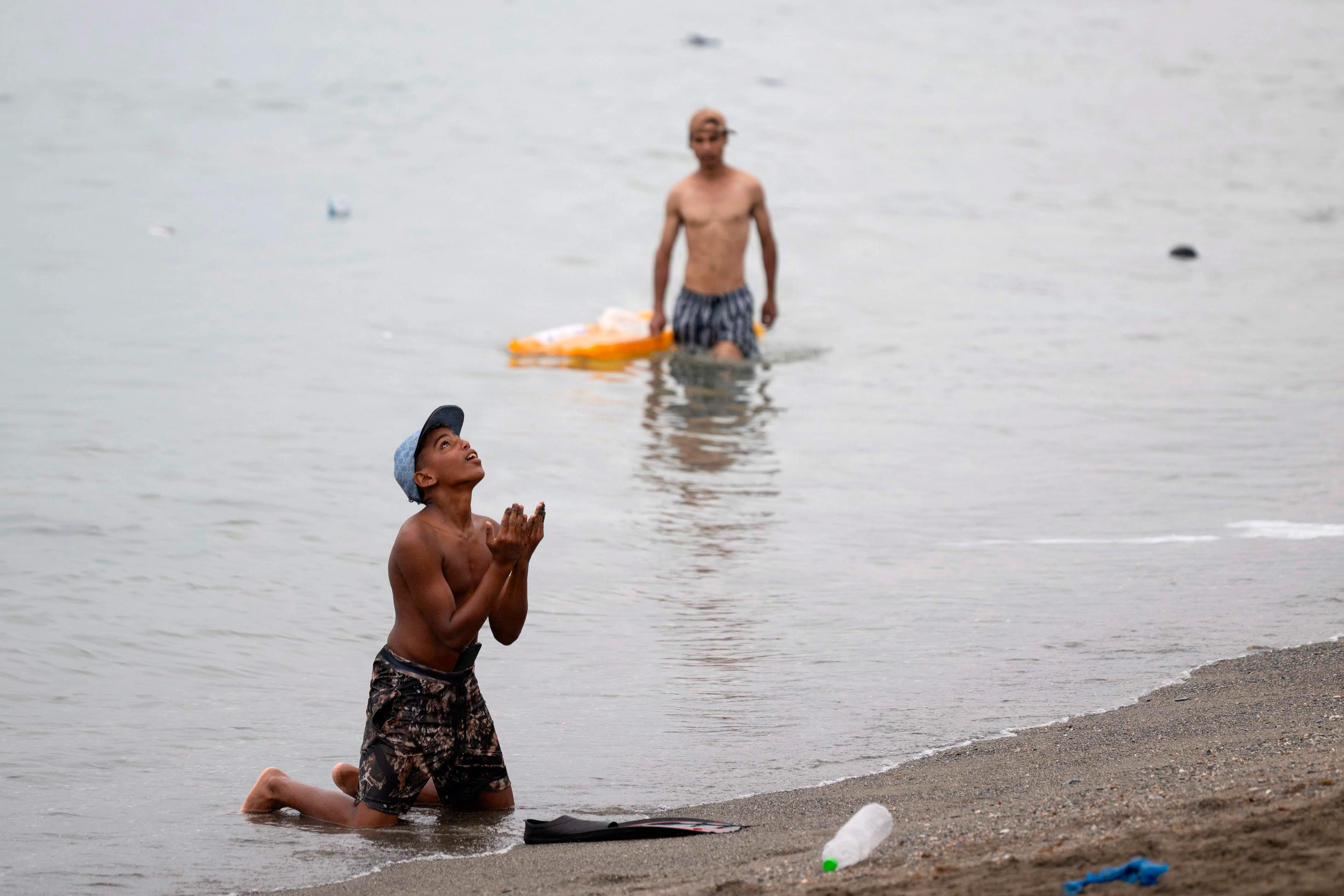
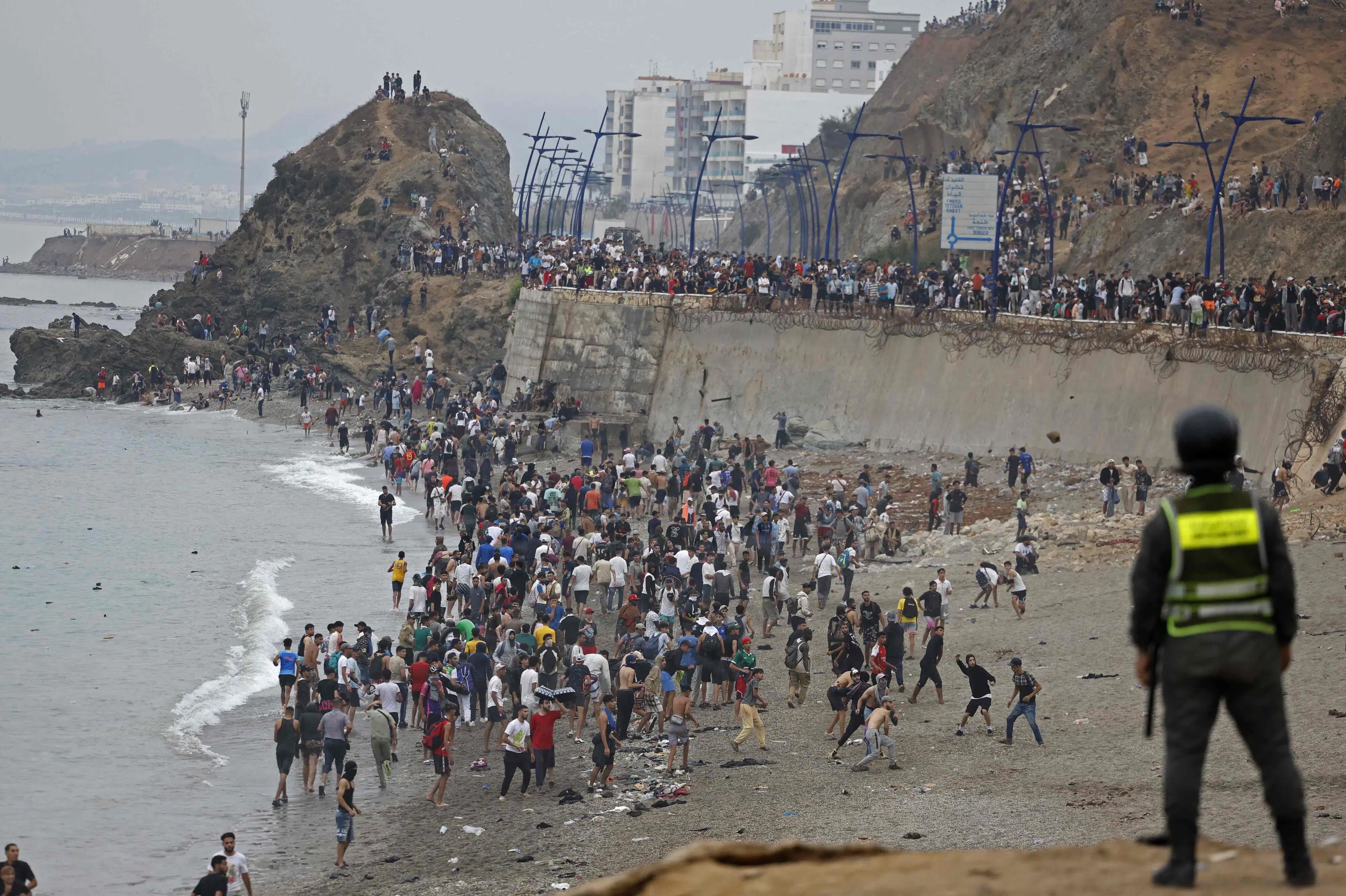
The Spanish city of Ceuta, a small peninsula on the African continent, has seen tens of thousands of migrants cross its border in recent days. Located at the Strait of Gibraltar, Ceuta is a Spanish territory bordering Morocco and lies approximately 25 kilometers south of mainland Spain.
Ceuta covers nearly 19 square kilometers and has been Spanish since 1580, having previously been Portuguese. The city holds historical significance, having been the starting point for the nationalist rebellion in 1936 that led to the Spanish Civil War and Francisco Franco's long fascist dictatorship.
Today, Ceuta is home to about 85,000 residents, a mix of Spanish and Moroccan populations, predominantly Muslim and Christian. Spain also maintains another exclave, Melilla, further east along the coast. These two enclaves represent the European Union's sole land borders with Africa, alongside several smaller nearby islands.
The border is heavily guarded by police and a paramilitary unit, with a border fence in place. Despite these measures, migrants have repeatedly arrived in Ceuta over the years. A notable incident occurred in 2021 when around 8,000 people crossed the border in two days, though they were subsequently returned to Morocco. Migrants employ various methods to cross, including swimming around fences, taking short boat trips, climbing the fence, or cutting through it with tools. Those who successfully enter typically aim to proceed to mainland Spain or elsewhere in Europe.
DistantNews Editorial
Originally published by Berlingske in Danish. Translated, summarized, and contextualized by our editorial team with added local perspective. Read our editorial standards.
More Stories


From Our Blog

What Gets Lost (and Found) When News Is Translated

The Critical Role of Diaspora Media in Global News

What Travellers Should Know About Countries with Restricted Press

A Digital Nomad's Guide to Following Local News

How the Same Story Looks Different in Different Countries
