

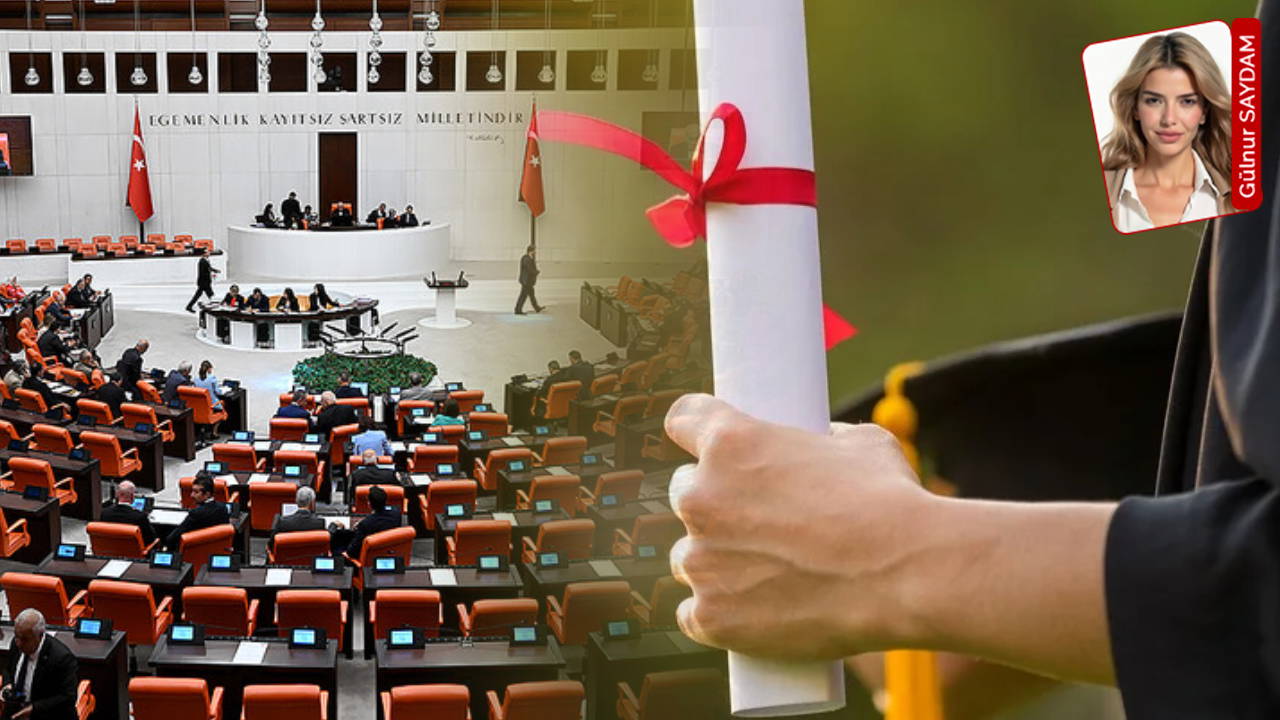
Fake diplomas for medicine, law: Parliament rejects investigation
Translated from Turkish, summarized and contextualized by DistantNews.
At a glance
News
Sources not specified
Approved/passed
- A parliamentary motion to investigate individuals who gained admission to critical university programs using fake high school diplomas was rejected.
- Opposition parties criticized the ruling coalition for blocking the investigation, calling it a systemic issue and a national security concern.
- The motion followed a court decision to revoke the diplomas of 419 individuals who used fraudulent documents from abroad to enroll in fields like medicine and law.
A parliamentary motion aimed at investigating individuals who allegedly gained admission to critical university faculties, including medicine, law, and pharmacy, using fraudulent high school equivalency diplomas has been rejected. The motion, brought forth by opposition parties, sought to uncover how 419 individuals, who had never left Turkey, managed to obtain fake "distance learning high school diplomas" to enroll in prestigious programs.
This is a national security issue. It is a matter of whether the state is a state.
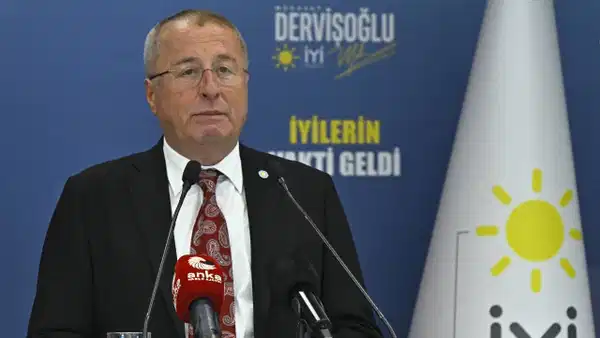
Selçuk Özdağ, Deputy Chairman of the Yeni Yol Party, voiced strong criticism from the parliamentary floor, accusing the ministry of attempting to cover up the issue. He questioned whether the ministry had investigated individuals who obtained fake diplomas over the past 30 years, expressing frustration at the lack of response. Özdağ highlighted that the issue came to light through a journalistic report, leading to a court decision to revoke the diplomas of 419 people.
CHP Antalya Deputy Aliye Coşar echoed these sentiments, stating that the rejection of the motion was indicative of a systemic problem created by the ruling AKP's 23-year tenure. She argued that individuals without merit had pursued careers in law, medicine, and engineering based on these fraudulent documents, emphasizing that the deceit was not isolated but systemic.
This fraud is clearly not at the individual level. It is a systemic problem created by the AKP in 23 years.
Özdağ further stressed the gravity of the situation, labeling it a "national security issue" and a matter of "whether the state is a state." He questioned how trust could be maintained in society when citizens cannot be sure if professionals like doctors or pharmacists have genuinely earned their qualifications. The court's decision to cancel 419 diplomas, based on their fraudulent nature, underscores the extent of the problem, which originated from fake distance learning diplomas obtained between 2016 and 2020.
When a citizen goes to court, lies on the operating table, or gets medicine from a pharmacist, they will not be able to be sure if the person has truly earned their position.
DistantNews Editorial
Originally published by Cumhuriyet in Turkish. Translated, summarized, and contextualized by our editorial team with added local perspective. Read our editorial standards.
More Stories

From Our Blog

What Gets Lost (and Found) When News Is Translated

The Critical Role of Diaspora Media in Global News

What Travellers Should Know About Countries with Restricted Press

A Digital Nomad's Guide to Following Local News

How the Same Story Looks Different in Different Countries
