


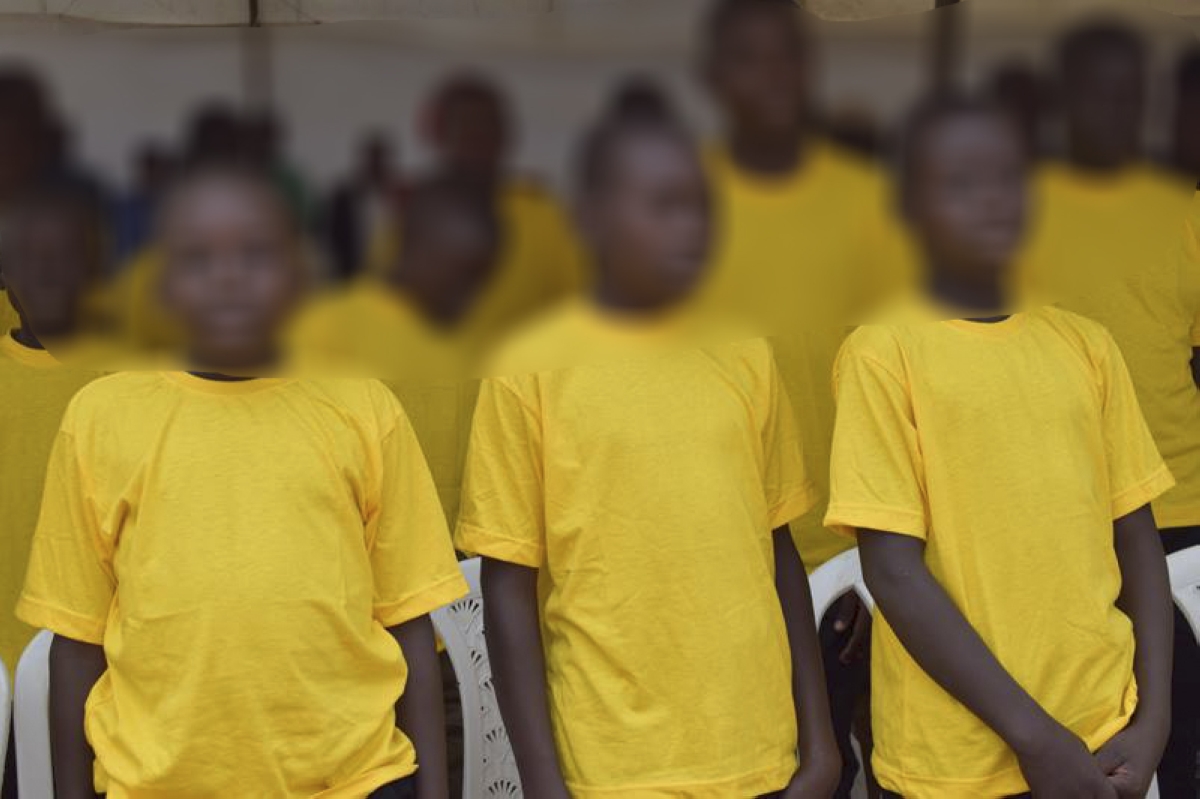
Family disputes fuelling children's mental health crisis - experts
Summarized and contextualized by DistantNews.
At a glance
News
Named sources
Context piece
- Experts in Rwanda assert that most childhood mental health issues stem from family conflict and other environmental factors, not biological conditions.
- They highlight that these preventable issues significantly impact children's well-being and development.
- The experts call for increased awareness and intervention strategies focused on family dynamics and supportive environments.
Mental health experts in Rwanda are sounding the alarm, stating that the majority of mental health problems affecting children in the country are rooted in family conflict and other preventable environmental factors, rather than inherent biological conditions.
This assertion challenges traditional views and points to the critical role of a child's immediate surroundings in shaping their psychological well-being. The experts emphasize that these issues, often stemming from domestic disputes, stress, or instability within the home, have a significant and detrimental impact on children's development and overall quality of life.
By identifying family conflict as a primary driver, the experts underscore the potential for intervention. They suggest that addressing and mitigating these environmental stressors could lead to a substantial reduction in childhood mental health challenges. This perspective shifts the focus towards creating healthier family dynamics and more supportive home environments as key strategies for prevention and treatment.
The call from these professionals highlights a need for greater societal awareness and targeted support systems. Interventions could include family counseling, educational programs for parents on child psychology and conflict resolution, and community support networks designed to strengthen family resilience. The underlying message is that by improving the home environment, significant strides can be made in safeguarding the mental health of Rwanda's youth.
DistantNews Editorial
Originally published by The New Times. Summarized and contextualized by our editorial team with added local perspective. Read our editorial standards.
More Stories

From Our Blog

What Gets Lost (and Found) When News Is Translated

The Critical Role of Diaspora Media in Global News

What Travellers Should Know About Countries with Restricted Press

A Digital Nomad's Guide to Following Local News

How the Same Story Looks Different in Different Countries
