


Farm crisis demands certainty from Congress now
Translated from English, summarized and contextualized by DistantNews.
At a glance
News
Named sources
Context piece
- Farm bankruptcies have reached their highest level in six years, driven by a combination of falling commodity prices, trade disputes, and rising costs.
- Farmers face challenges from decreased crop prices (down up to 40% from highs), disrupted export markets due to tariffs, and increased expenses for fuel and fertilizer.
- The crisis extends beyond farmers, impacting community banks, equipment dealers, and other businesses that rely on agriculture, with nearly half of community banking presidents reporting deteriorated financial conditions.
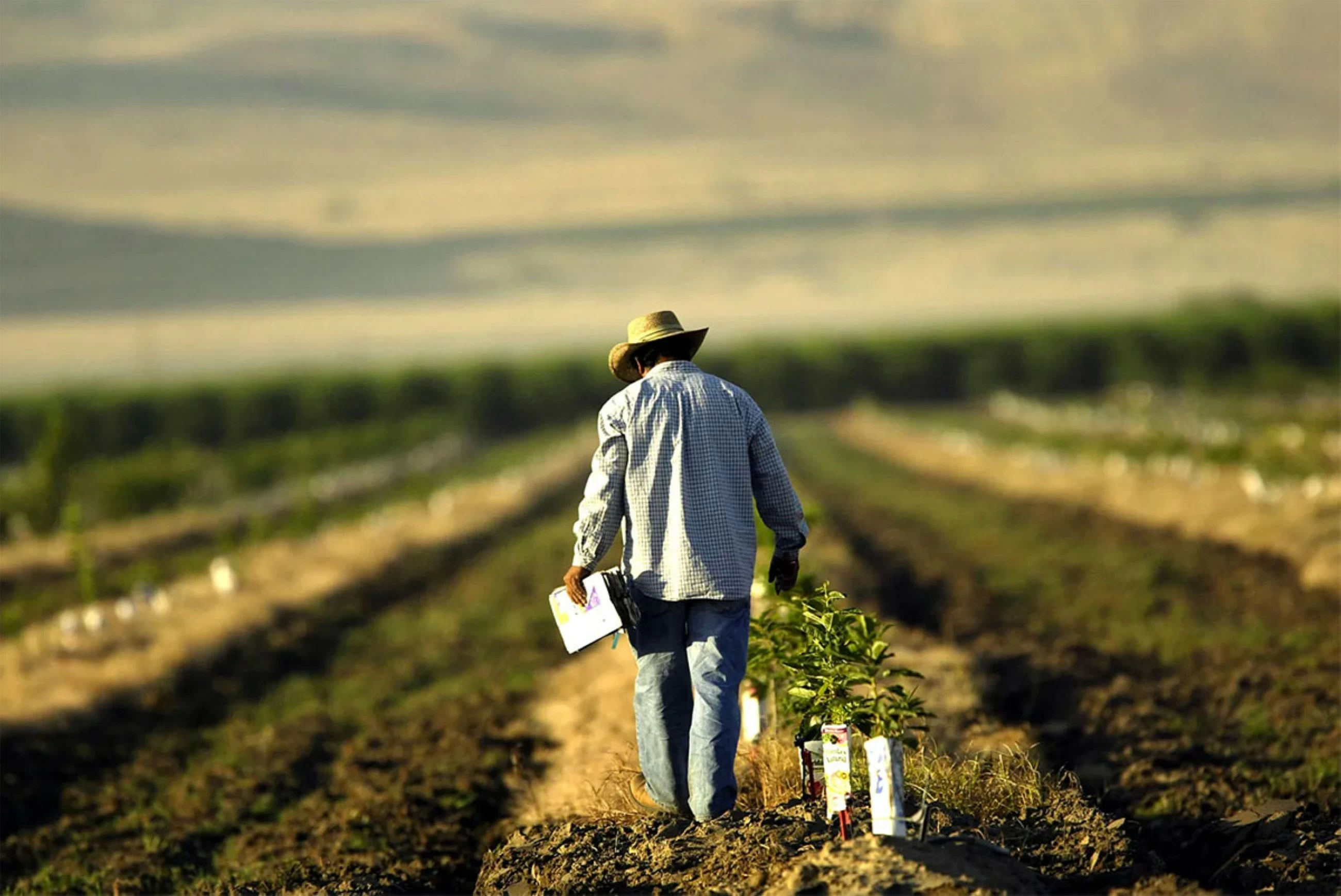
A crisis is unfolding in America's farm country, with warning signs becoming increasingly difficult to ignore. Farm bankruptcies surged this spring to their highest level in six years, signaling a deeper distress than mere statistics suggest.
This predicament is years in the making. While commodity prices soared during COVID-19, they have since plummeted, with major crop prices now down as much as 40% from their recent peaks. Compounding this, President Donald Trump's tariff battles have disrupted key export markets, shrinking the buyer pool for American crops. Newer challenges include rising fuel and fertilizer costs, exacerbated by the war in Iran, and a shrinking labor force due to immigration enforcement, impacting the availability of agricultural workers.
These cumulative burdens are pushing some producers toward insolvency. The rising volume and dollar amounts of operating loans, used for essentials like seed and fertilizer, indicate that farmers are borrowing more heavily. Higher interest rates further increase the cost of repaying this debt. In Minnesota, the state with the highest farm bankruptcy rate in the first quarter of 2026, nearly 700 requests for farmer-lender mediation were made in the first four months of the fiscal year, a significant jump from the previous year.
The strain is not confined to farmers. Agriculture forms the economic bedrock for community banks, equipment dealers, and retailers. A recent survey of community banking presidents revealed that nearly half have seen their financial conditions deteriorate compared to the previous year. This farm distress creates a domino effect, transforming a farm problem into a "Main Street" problem. In Minnesota, the closure of several farm implement dealerships last year served as a stark indicator that farmers are deferring equipment purchases and instead opting to repair existing machinery.
That was a real telltale sign that farmers weren’t buying equipment.
DistantNews Editorial
Originally published by Gulf Today in English. Translated, summarized, and contextualized by our editorial team with added local perspective. Read our editorial standards.
More Stories



From Our Blog

What Gets Lost (and Found) When News Is Translated

The Critical Role of Diaspora Media in Global News

What Travellers Should Know About Countries with Restricted Press

A Digital Nomad's Guide to Following Local News

How the Same Story Looks Different in Different Countries
