


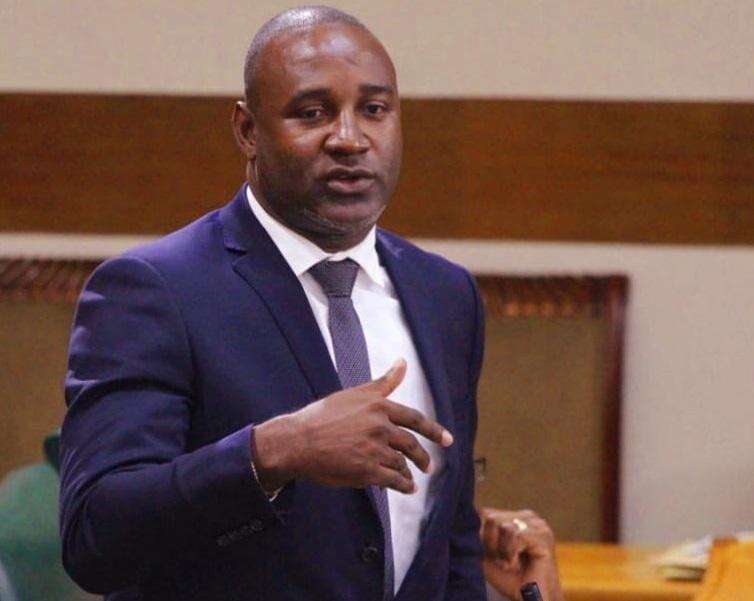
Farmers, fisherfolk struggling, says Campbell
Summarized and contextualized by DistantNews.
At a glance
News
Named sources
Context piece
- Opposition Spokesman Dayton Campbell argues that many farmers and fisherfolk in Jamaica are still struggling despite government claims of progress.
- Campbell cited issues such as high input costs, lack of irrigation, poor rural roads, and inadequate infrastructure for fishermen.
- He stated that these structural weaknesses prevent the agriculture and fisheries sectors from reaching their full potential, leaving rural Jamaicans feeling abandoned.
Despite government claims of progress in Jamaica's agriculture and fisheries sectors, many farmers and fisherfolk continue to struggle, according to Opposition Spokesman on Agriculture and Fisheries, Dr. Dayton Campbell. Campbell argued Tuesday in the House of Representatives that while some work has been done and progress made in certain areas, the central question remains whether government policies have yielded sufficient practical improvements in the daily lives of those dependent on these sectors. The answer, he asserted, is often no.
Campbell highlighted persistent challenges faced by farmers, including the high cost of inputs, a lack of irrigation for many small farmers, and poor rural road conditions that hinder the transport of produce to markets. He also pointed to ongoing issues with praedial larceny and insufficient protection for farmers. For fishermen and women, Campbell noted the lack of adequate infrastructure, cold storage, proper beaches, and affordable equipment.
However, the central question is whether the Government’s policies have produced enough practical improvement in the daily lives of the people who depend on these sectors. The answer, in too many cases, is no.
Furthermore, Campbell stated that many young people still face barriers to accessing land, and too many farmers lack affordable financing. Consumers, he added, are still paying excessively high prices for basic food items. He also conveyed that many farming communities feel that support arrives too late, is insufficient, or is distributed without adequate transparency.
These issues, Campbell argued, are not isolated complaints but represent structural weaknesses that impede the full potential of the country's rural sectors. He concluded that without an honest confrontation of these realities, rural Jamaicans will continue to feel neglected by a system that demands much while offering little in return.
These are not isolated complaints. These are structural weaknesses that continue to hold back the full potential of our country. And unless we confront these realities honestly, rural Jamaicans will continue to feel abandoned by a system that asks much of them while giving too little in return.
DistantNews Editorial
Originally published by Jamaica Observer. Summarized and contextualized by our editorial team with added local perspective. Read our editorial standards.
More Stories

From Our Blog

What Gets Lost (and Found) When News Is Translated

The Critical Role of Diaspora Media in Global News

What Travellers Should Know About Countries with Restricted Press

A Digital Nomad's Guide to Following Local News

How the Same Story Looks Different in Different Countries
