

Fashion: Classic sandals are losing favor with customers
Translated from German and summarized by DistantNews. Read the original for the full story.
At a glance
Newswire
From a news agency
Context piece
- Germans spent 548 million euros on classic sandals last year, down nearly 12% from 621 million euros in 2019, according to the IFH Cologne and BBE Handelsberatung industry report.
- Researchers attribute the decline partly to consumers wearing sneakers more often, including during summer, while seeking comfortable, versatile footwear.
- Germany’s overall shoe market also contracted, and an IFH expert expects no recovery in 2026, particularly for children’s shoes.
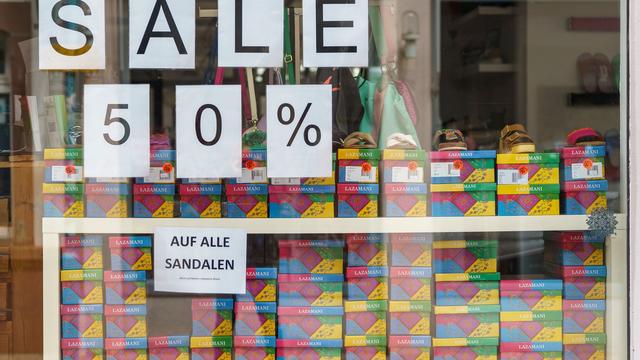
Classic sandals are losing ground in Germany as shoppers wear sneakers more often and reduce the number of shoes they buy. Consumers spent 548 million euros on classic sandals last year, compared with 621 million euros in 2019. The decline of almost 12 percent was more pronounced than the 5.5 percent drop across the shoe market as a whole.
The shift affects sandals for women, men and children. The figures include leather sandals and products made with reconstructed leather, regardless of whether the soles are plastic, rubber or leather. Plastic footwear such as flip-flops is counted separately.
Hansjürgen Heinick, a market expert at IFH Cologne, said sneakers had changed how people use their wardrobes. “In the past, people simply swapped their smart office shoes for sandals. Now, sneakers are often worn right through.” The need, and apparently the desire, to change footwear has diminished. People who already own sneakers may buy fewer sandals or none at all.
The wider German shoe market recorded another decline last year. Spending fell to about 9.3 billion euros, 2 percent below 2024, when sales had also decreased. IFH said households own fewer shoes and are choosing more comfortable styles and a relaxed yet elegant “smart casual” look. Consumers also want clothing and footwear to work across seasons, which disadvantages sandals because people mainly wear them in summer.
Sneakers have benefited from that trend, with demand rising for years. Yet preferences are shifting within the broader footwear market. Sönke Padberg, managing director of the German Association of Textile, Footwear and Leather Goods Retailers, said white sneakers are becoming less popular while brown and earth-colored models are gaining ground. He also reported stronger demand for mules that resemble sandals but use one broad leather strap instead of several.
Heinick does not expect the industry to recover in 2026. Children’s shoes face particular pressure as the birth rate continues to fall and parents buy fewer pairs. Meanwhile, the number of shoe retailers has dropped from 7,247 in 2000 to about 2,420, although Germany still has an estimated 8,200 shoe stores.
In the past, people simply swapped their smart office shoes for sandals. Now, sneakers are often worn right through.
About this summary
Originally published by Die Zeit in German. Translated, summarized, and contextualized automatically by DistantNews, with a note on how the source frames the story. Not individually reviewed before publishing. How this works.
More Stories



From Our Blog

What Gets Lost (and Found) When News Is Translated

How the Same Story Looks Different in Different Countries

The Critical Role of Diaspora Media in Global News

What Travellers Should Know About Countries with Restricted Press

A Digital Nomad's Guide to Following Local News
