


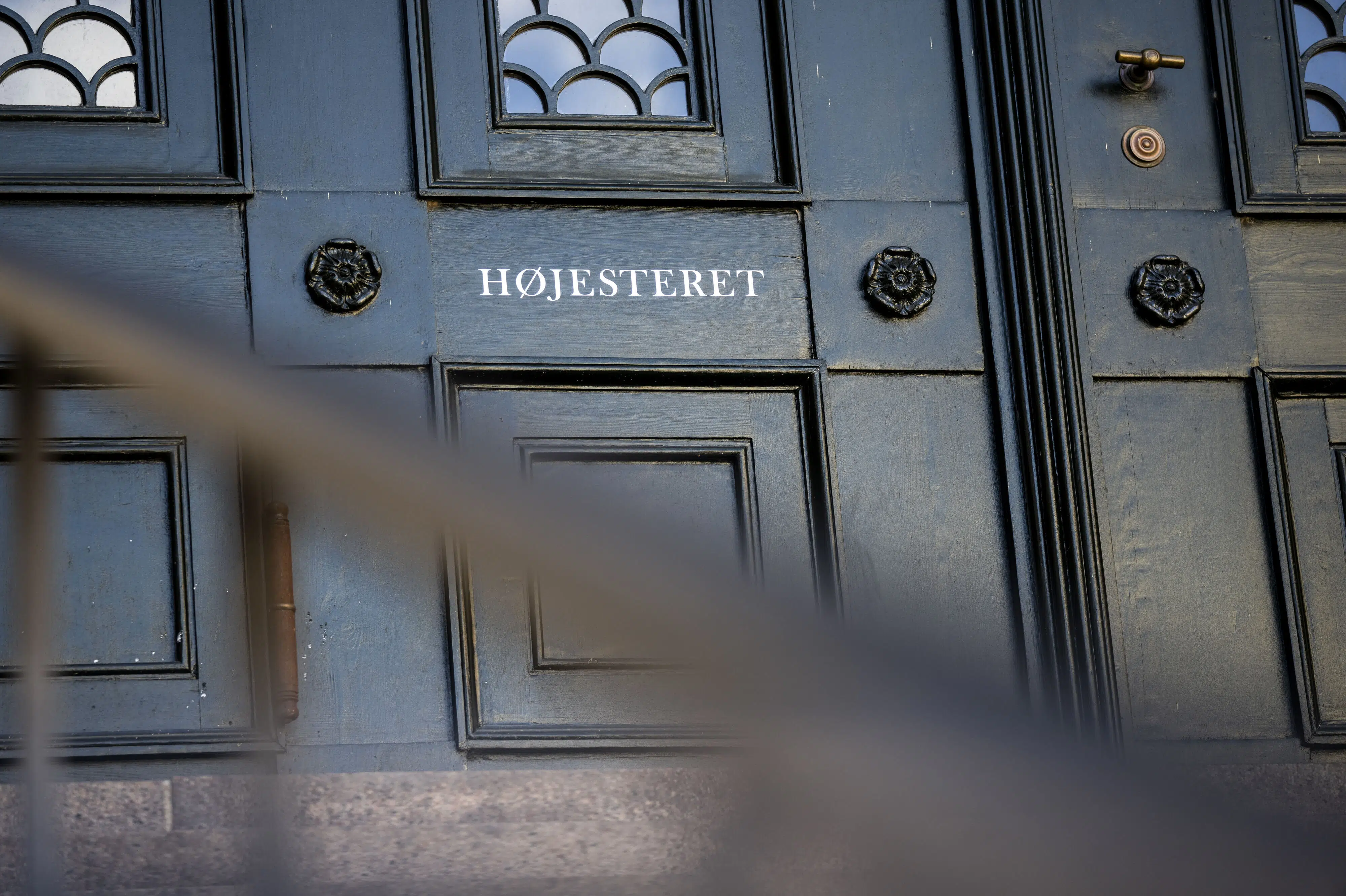
Father and five children keep Danish passports after Supreme Court ruling
Translated from Danish, summarized and contextualized by DistantNews.
At a glance
News
Sources not specified
Outcome reported
- A father and his five children will retain their Danish citizenship, granted in 2016.
- Prosecutors sought to revoke their citizenship, alleging the father obtained it through fraud by not disclosing a domestic violence charge.
- The Supreme Court ruled against revocation, citing proportionality and Denmark's international obligations.
A Danish father and his five children have been allowed to keep their Danish citizenship, which they were granted in 2016, following a Supreme Court decision. The prosecution had sought to strip them of their nationality, arguing the father had obtained citizenship fraudulently.
The prosecution's claim was based on the father not informing authorities about a domestic violence charge he faced weeks before being granted Danish citizenship. Since the children received their citizenship through their father, the prosecution argued they should also lose it. However, the Supreme Court rejected this, ruling that revoking the father's citizenship would be disproportionate and violate Denmark's international obligations.
The father, born in Somalia in 1984, arrived in Denmark at age 12 and gained residency in 1994. He has five children born between 2006 and 2011 and reportedly holds stable employment and a stable family life. He applied for citizenship in December 2014, and it was granted in June 2016. The day before the citizenship law was passed, he was charged with assaulting his eight-year-old son.
He admitted to pulling his son's shirt, tearing it, but denied assault. The incident involved him pulling his son off a swing, and he was also accused of threats. The lower court sentenced him to ten days of conditional imprisonment, considering the father acted in understandable agitation. The Supreme Court noted that the father might have perceived the circumstances of the incident differently, believing he had no obligation to inform the ministry. Furthermore, seven years passed between his citizenship being granted and the revocation case being initiated.
DistantNews Editorial
Originally published by Berlingske in Danish. Translated, summarized, and contextualized by our editorial team with added local perspective. Read our editorial standards.
More Stories


From Our Blog

What Gets Lost (and Found) When News Is Translated

The Critical Role of Diaspora Media in Global News

What Travellers Should Know About Countries with Restricted Press

A Digital Nomad's Guide to Following Local News

How the Same Story Looks Different in Different Countries
