

FDA proposal would require companies to report more food ingredients
Translated from English and summarized by DistantNews. Read the original for the full story.
At a glance
Explainer
Named sources
New plan
- The FDA is proposing to require companies to notify the agency when they add new substances to human or animal food under the generally recognized as safe pathway.
- The proposal would address a long-standing information gap but would not require companies to wait for FDA approval before selling the ingredients.
- Critics point to the 2022 tara flour outbreak and say the change would improve oversight without fully closing the exemption.
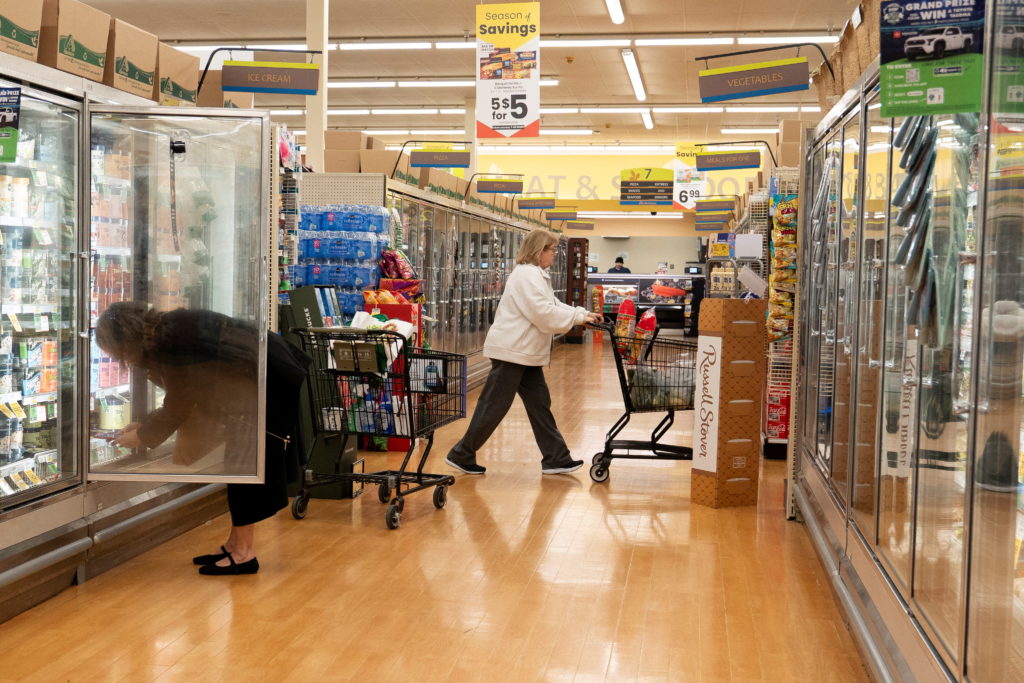
For nearly 70 years, food companies have been able to decide that some new ingredients are safe and sell them without informing the Food and Drug Administration. A new proposal would give the agency more information, but it would not make FDA approval a condition of sale.
The proposal targets the “generally recognized as safe,” or GRAS, pathway. Congress created the exemption in 1958 for familiar substances such as salt and vinegar, where a formal FDA review appeared unnecessary. Over time, critics say, companies have used it for a much wider range of ingredients.
An Environmental Working Group analysis published in 2025 estimated that 99% of food chemicals introduced since 1958 entered the market through the GRAS pathway rather than the formal food additive approval process. Companies can already submit voluntary GRAS notices, often supported by reviews from experts they hire, but they do not have to notify the FDA before marketing a new ingredient.
Something of a step forward, but it is not nearly as significant a step forward as they make it out to be.
The lack of information complicated the investigation into a 2022 foodborne illness outbreak linked to Daily Harvest plant-based crumbles. The outbreak hospitalized 133 consumers and was later connected to products containing tara flour. The FDA subsequently determined that tara flour in human food did not meet GRAS standards and reclassified it as an unapproved additive.
Peter Lurie, president of the Center for Science in the Public Interest and a former FDA official, called the proposal “something of a step forward, but it is not nearly as significant a step forward as they make it out to be.” The change forms part of Health Secretary Robert F. Kennedy Jr.’s “Make America Healthy Again” agenda, which seeks to reshape federal oversight of the food supply.
What you would have hoped is that they would have submitted something to FDA, FDA would have looked at it, and perhaps there would have been some kind of signal in the submitted data that might have made FDA say no.
About this summary
Originally published by PBS NewsHour in English. Translated, summarized, and contextualized automatically by DistantNews, with a note on how the source frames the story. Not individually reviewed before publishing. How this works.
More Stories


From Our Blog

How the Same Story Looks Different in Different Countries

What Gets Lost (and Found) When News Is Translated

The Critical Role of Diaspora Media in Global News

What Travellers Should Know About Countries with Restricted Press

A Digital Nomad's Guide to Following Local News
