

Fear of Narcos: Museum Hesitated to Display Plane That Flew 'El Mayo' to U.S.; It Sat Abandoned for Nearly a Year
Translated from Spanish, summarized and contextualized by DistantNews.
At a glance
News
Named sources
Context piece
- A museum director sought advice on whether to exhibit a plane used to transport drug lord
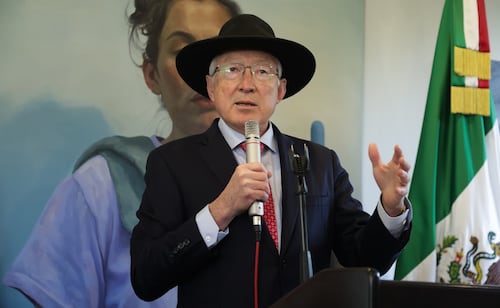
The War Eagles Air Museum in Santa Teresa, New Mexico, hesitated to display a plane that once transported notorious drug trafficker Ismael "El Mayo" Zambada to the United States. Museum director Tomás Peralta contacted journalist Luis Chaparro of Pie de Nota for guidance, fearing potential repercussions from drug cartels if the aircraft was put on public view.
The director of the Eagle War Museum, this museum in Santa Teresa, contacts us first as an attempt to advise them. They tell us: 'Hey, the FBI donated to us or practically threw at us the plane that transported El Mayo Zambada, and we want your advice because we don't know if we exhibit it and get into trouble with the narcos, if we sell it, to whom we are going to sell it, I mean, what do we do with this plane?' I reviewed their two options and gave them advice.
Chaparro advised Peralta to exhibit the plane, assuring him that the FBI, which had donated the aircraft, permitted such a display. The director's primary motivation, according to Chaparro, was to attract more visitors to the museum. The FBI had previously used the plane in an operation to apprehend Zambada.
Chaparro believes Peralta sought his counsel due to his expertise in security and drug trafficking issues, and his regular reporting for Pie de Nota, which Peralta reportedly follows closely. The museum, founded in 1989, aims to educate visitors about aviation and military history, housing a significant collection of restored historical aircraft.
Well, exhibit it.
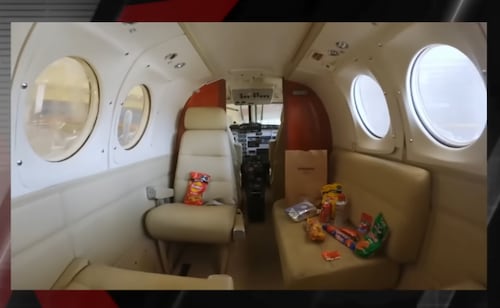
Chaparro and his producer visited the plane twice, including an exclusive access before its public unveiling. During these visits, they documented signs of struggle within the aircraft, such as scuff marks on the seats, broken windows, and damaged seatbacks. They also observed remnants of snacks, drinks, and wet wipes, suggesting the plane was prepared for a flight before Zambada's apprehension and transfer to authorities. Some stains were also visible, potentially from spilled drinks or blood.
We went on two occasions, let's say when they gave us exclusive access and before they opened it to other media and the public. My producer and I went (...) it was just him and me to take some shots, ask some questions, investigate the plane well. The truth is that we looked at it for hours, in detail, and opened little drawers and moved levers to understand everything about the plane and then we dedicated ourselves to doing a reporting job.
DistantNews Editorial
Originally published by El Universal in Spanish. Translated, summarized, and contextualized by our editorial team with added local perspective. Read our editorial standards.
More Stories


From Our Blog

What Press Freedom Means for the News You Read

What Gets Lost (and Found) When News Is Translated

The Critical Role of Diaspora Media in Global News

What Travellers Should Know About Countries with Restricted Press

A Digital Nomad's Guide to Following Local News
