


Fed's Hawkish Rate Freeze Leaves Door Open for BOK's Next Move
Translated from Korean, summarized and contextualized by DistantNews.
At a glance
News
Sources not specified
Context piece
- The U.S. Federal Reserve opted for a hawkish rate freeze, keeping interest rates unchanged despite inflation concerns.
- This decision leaves a 1.00% interest rate gap between the U.S. and South Korea.
- The Bank of Korea may consider another rate hike in August, depending on July's inflation data.
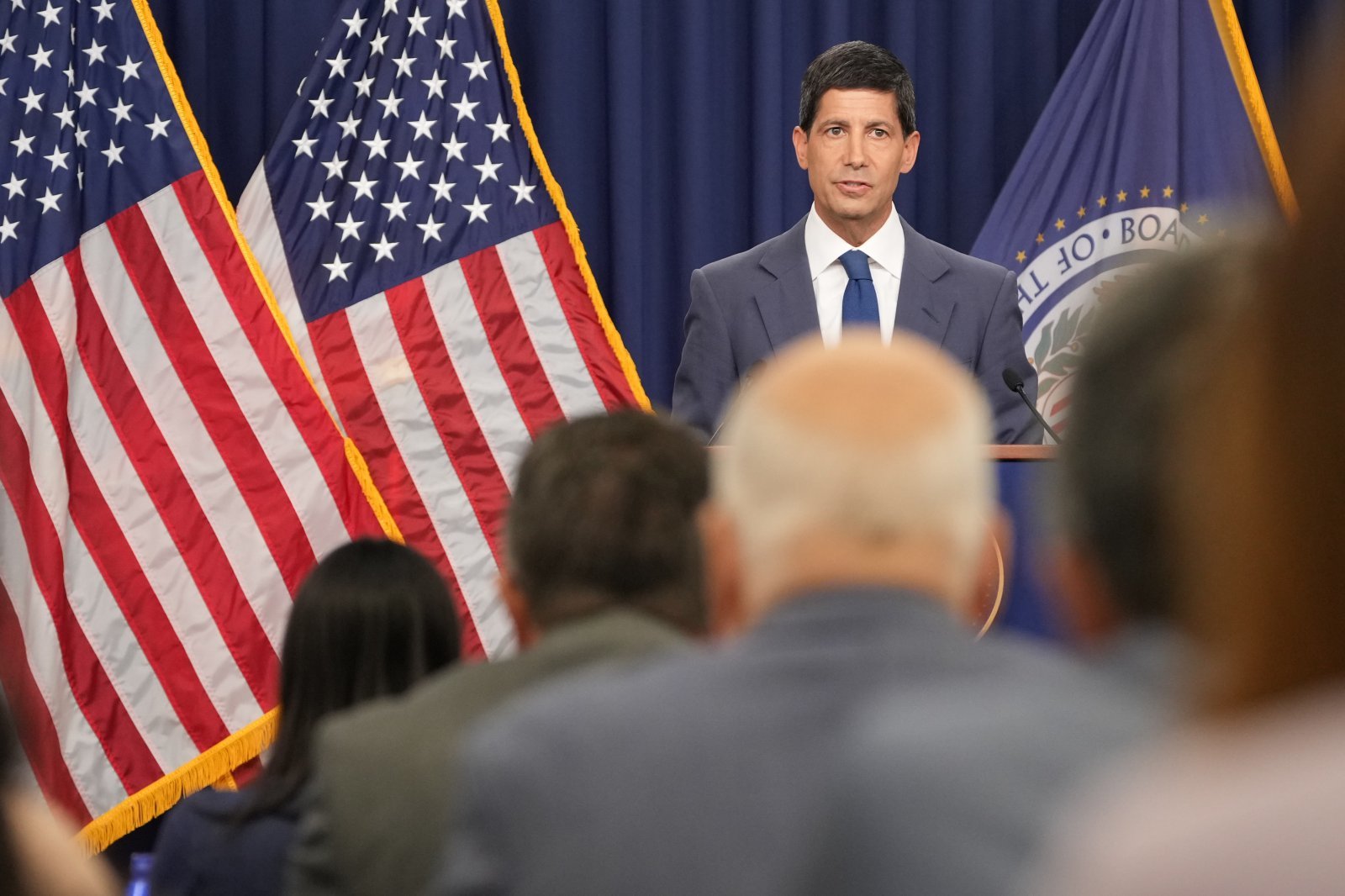
The U.S. Federal Reserve has chosen a 'hawkish hold' on interest rates, maintaining the federal funds rate at 3.50-3.75% during its latest Federal Open Market Committee (FOMC) meeting. This marks the fifth consecutive freeze this year, but unlike previous unanimous decisions, this one saw a 9-3 split, with three members advocating for a 0.25% increase.
Economic conditions are positive and show robust growth. Job gains have been running at a solid pace in recent months and the unemployment rate has shown little change. Inflation has remained elevated.
Those dissenting members reportedly cited concerns over volatile international oil prices, driven by renewed geopolitical tensions, as a reason to tighten policy further. Fed Chair Jerome Powell acknowledged that while economic conditions show robust growth and a stable labor market, inflation remains stubbornly above the Fed's 2% target. He emphasized that the Fed's commitment to the 2% inflation goal is unwavering, dispelling any notion of a flexible inflation target.
Powell indicated that the Fed's reaction function is data-dependent, leaning towards tightening when underlying inflation rises and easing when it falls. Market expectations are now leaning towards a potential 0.25% rate hike in September.
Inflation has remained elevated, remaining well above our longer-run goal of 2 percent.
This decision maintains the interest rate differential between the U.S. and South Korea at 1.00%, with South Korea's base rate at 2.75%. The Bank of Korea (BOK) officially signaled its intent to continue its rate-hiking cycle in its previous monetary policy statement. BOK Governor Rhee Chang-yong stated that future policy decisions, including the timing and magnitude of further hikes, will depend on inflation pressures, economic recovery, and financial stability.
There is no such thing as a flexible inflation target.
While some analysts initially predicted a rate hike in October, the Fed's hawkish stance may push the BOK to consider a 'back-to-back' rate increase as early as August. The BOK is closely monitoring July's inflation figures, which, along with other economic indicators like the surprisingly strong Q2 GDP growth, will inform its next move. A continued widening of the interest rate gap could negatively impact the won-dollar exchange rate, which has remained elevated despite recent dips.
Any central banker who sees underlying inflation moving up while the labor market is strong would be inclined to tighten. Conversely, if underlying inflation is moving down, they would be inclined to ease. That is my reaction function.
DistantNews Editorial
Originally published by Dong-A Ilbo in Korean. Translated, summarized, and contextualized by our editorial team with added local perspective. Read our editorial standards.
More Stories


From Our Blog

What Gets Lost (and Found) When News Is Translated

The Critical Role of Diaspora Media in Global News

What Travellers Should Know About Countries with Restricted Press

A Digital Nomad's Guide to Following Local News

How the Same Story Looks Different in Different Countries
