


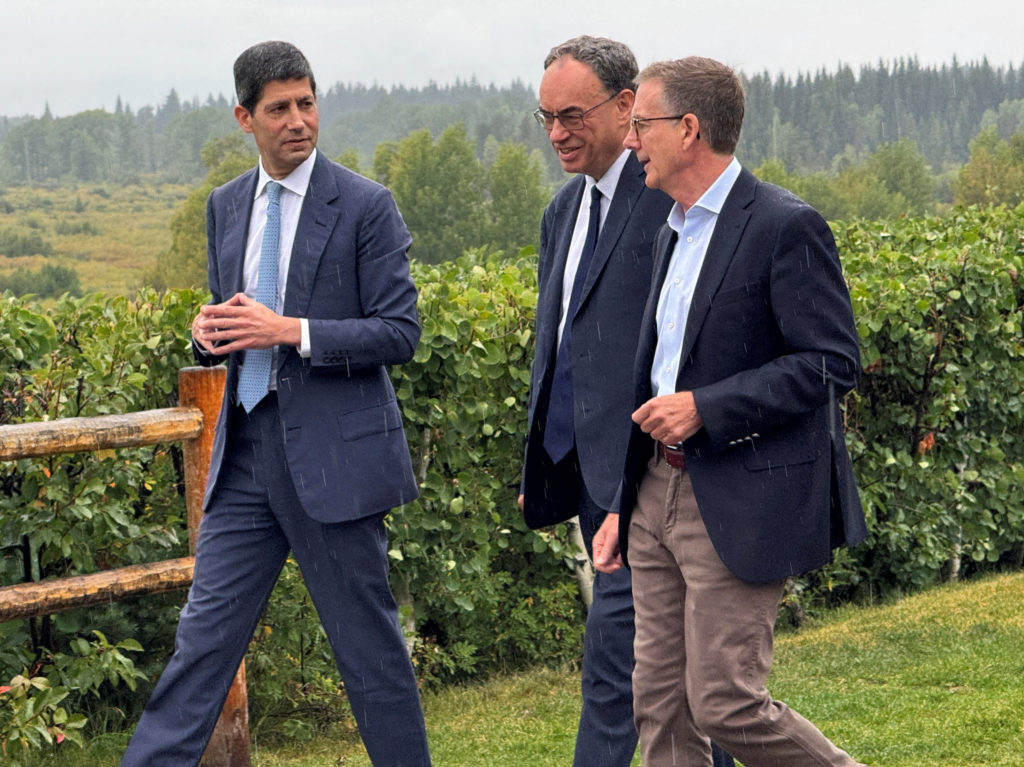
Fed's Warsh renews inflation fight, raising stakes for September rate decision
Translated from English and summarized by DistantNews. Read the original for the full story.
At a glance
News
From a news agency
Context piece
- Federal Reserve Chair Kevin Warsh signaled a potential for interest rate hikes in the coming months to combat inflation.
- His remarks at the Jackson Hole conference have raised expectations for a September rate increase, putting pressure on the central bank.
- The impact of a potential rate hike on mortgage rates remains unclear, as longer-term rates showed little movement after Warsh's comments.
Federal Reserve Chair Kevin Warsh has intensified the focus on inflation fighting, potentially pushing the central bank toward interest rate hikes in the near future. In a significant speech at the annual Jackson Hole economic conference, Warsh renewed his commitment to controlling inflation, opening the door for potential rate increases at the Fed's mid-September meeting.
Warsh's hawkish stance has placed added pressure on the Federal Reserve. While he did not commit to a specific timeline for a rate hike, his comments suggest that a move in September is a real possibility, especially if upcoming inflation data fails to show a significant cooling. He noted that evidence of cooling inflation has not yet emerged, even as gas prices have seen some decrease.
You are basically setting yourself up so that if you don't hike in September, people may ask what's going on.
Economists and policymakers largely praised Warsh's speech, though some pushback and criticism were also present. Analysts suggest that Warsh's signaling has raised expectations for a September hike, which could challenge his credibility if inflation remains high and the Fed does not act.
The potential impact of a Fed rate hike on mortgage rates is a key concern for many. However, longer-term interest rates, which strongly influence mortgages, showed minimal increase following Warsh's remarks. This suggests investors may be reassured that the Fed is committed to bringing down inflation over time, indicating that mortgage rates may not automatically rise even if the Fed implements a hike.
thought the wiser course was to await new information in the intermeeting period ... before deciding whether a change in interest rate policy was advisable.
About this summary
Originally published by PBS NewsHour in English. Translated, summarized, and contextualized automatically by DistantNews, with a note on how the source frames the story. Not individually reviewed before publishing. How this works.
More Stories

From Our Blog

How the Same Story Looks Different in Different Countries

What Gets Lost (and Found) When News Is Translated

The Critical Role of Diaspora Media in Global News

What Travellers Should Know About Countries with Restricted Press

A Digital Nomad's Guide to Following Local News
