


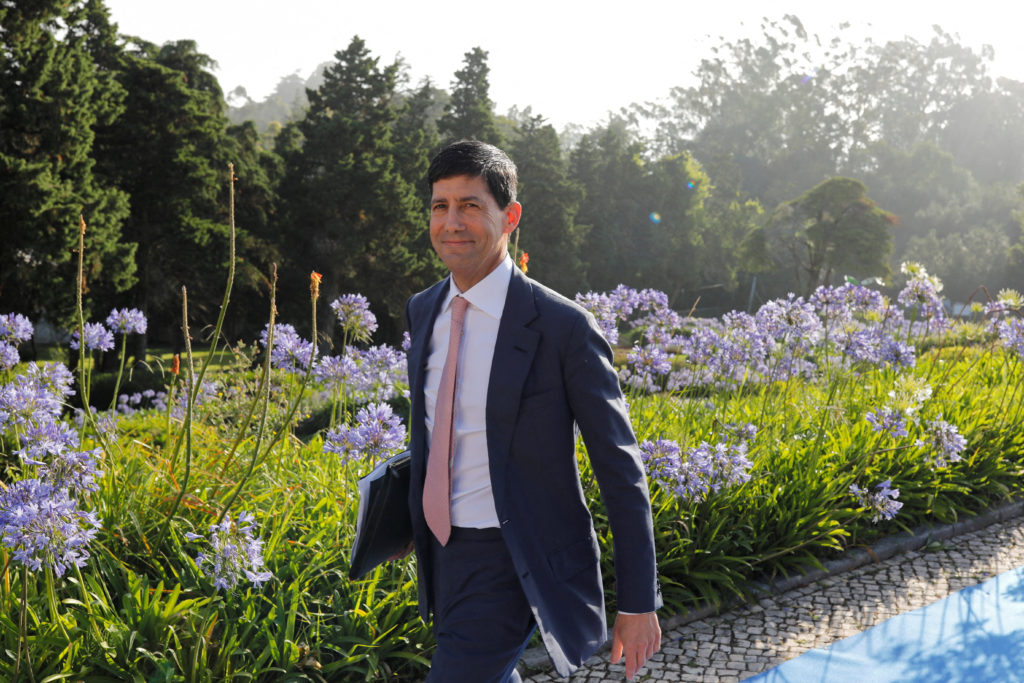
Federal Reserve Chair Warsh emphasizes political independence, signals focus on inflation
Summarized and contextualized by DistantNews.
At a glance
News
From a news agency
New plan
- Federal Reserve Chair Kevin Warsh affirmed the central bank's commitment to independence and fighting inflation, signaling a likely departure from President Trump's calls for rate cuts.
- Warsh stated that the Fed would not tolerate inflation above 2% and emphasized its long-standing independence from political influence.
- While acknowledging recent shifts in economic conditions, including falling gas prices, Warsh declined to outline specific future policy actions, adhering to his opposition to forward guidance.
New Federal Reserve Chair Kevin Warsh declared on Wednesday that the central bank will maintain its political independence and prioritize bringing down inflation. This stance likely signals an end to the rate cuts President Donald Trump has been advocating for.
Speaking at a central bank conference in Sintra, Portugal, Warsh stated, "We're going to deliver price stability." He directly addressed concerns about inflation exceeding the Fed's 2% target, suggesting that businesses and households expecting otherwise would be "disappointed." The Fed typically combats inflation by increasing borrowing costs.
We're going to deliver price stability.
When questioned about President Trump's repeated calls for lower interest rates, Warsh strongly underscored the Fed's autonomy. "We've been an independent central bank for a very long time," he asserted. "We're going to be an independent central bank at this moment and you're going to see no changes to that." These remarks suggest a shift in Warsh's views since he replaced Jerome Powell as chair on May 22. Last year, Warsh had advocated for lower rates, seemingly campaigning for the position.
We've been an independent central bank for a very long time. We're going to be an independent central bank at this moment and you're going to see no changes to that.
Since assuming the chairmanship, Warsh has appeared to pivot, signaling a focus on reducing inflation. However, he refrained from detailing specific measures the Fed might take, aligning with his general opposition to "forward guidance," where central bank officials pre-announce their policy intentions. "I'm not going to make a judgment now," Warsh said during a panel discussion with other central bankers. "The tactics, the strategy, and the rest, that's still to come," he added later. At his inaugural press conference last month, Warsh also highlighted his commitment to returning inflation to the target level. Wall Street investors anticipate a potential Fed rate hike in September, moving the key interest rate from its current approximate 3.6% to around 3.9%. During the Fed's June 16-17 meeting, nearly half of the 19 policymakers indicated support for higher rates this year, while eight favored no change, and one projected a cut. Warsh did not submit a forecast due to his stance against providing guidance.
The economic landscape has evolved since Trump nominated Warsh in January. Inflation reached a three-year high of 4.2% in May, partly due to the Iran war's impact on gas prices. However, with a peace agreement now reached and gas prices declining, inflation may have peaked. Fed officials might await further data on inflation trends, especially if oil and gas prices continue to recede to pre-war levels. Warsh also noted on Wednesday that signs suggest the threat of persistent inflation has moderated. He specifically pointed to inflation expectations, as measured by surveys and bond prices, which have shown declining trends over the past month.
I'm not going to make a judgment now. The tactics, the strategy, and the rest, that's still to come.
DistantNews Editorial
Originally published by PBS NewsHour. Summarized and contextualized by our editorial team with added local perspective. Read our editorial standards.
More Stories

From Our Blog

How the Same Story Looks Different in Different Countries

What Gets Lost (and Found) When News Is Translated

The Critical Role of Diaspora Media in Global News

What Travellers Should Know About Countries with Restricted Press

A Digital Nomad's Guide to Following Local News
