


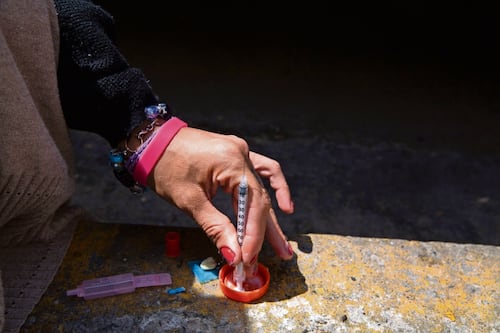
Fentanyl Intoxication Leads to 168 Hospitalizations in Mexico Over Three Years
Translated from Spanish, summarized and contextualized by DistantNews.
At a glance
News
Documents & data
Context piece
- Mexico has recorded 168 hospitalizations due to fentanyl intoxication in the past three years.
- Cases were concentrated in Sinaloa and Baja California initially, but have since spread to other states.
- The primary causes are intentional self-inflicted use and accidental poisoning, with a significant portion of affected individuals aged 30-49.
Mexico has registered 168 hospitalizations related to fentanyl intoxication over the last three years, averaging about five cases per month. Data from the Ministry of Health indicates a total of 92 emergency room visits and hospital admissions between June 2023 and December 2024, followed by 76 cases from January 2025 to May 2026.
Initially, cases were concentrated in the states of Sinaloa and Baja California, with 38 and 22 hospitalizations respectively. By 2025, Sinaloa continued to report the highest number of cases (32), while Baja California saw a decrease (four). The Mexico City region experienced a notable increase, rising from five to 15 cases. Other states like Michoacán, Jalisco, and Yucatán have also reported a growing number of incidents.
The existence of records of hospitalizations for fentanyl is very new, starting from 2023.
The causes of fentanyl intoxication vary, with intentional self-inflicted use accounting for 29 cases and accidental poisoning for 23. A significant portion of cases remain under investigation. The data also shows that fentanyl poisoning can occur as an adverse reaction or through third-party aggression, as in the case of an infant in Tijuana.
The age group most affected by fentanyl intoxication is 30 to 49 years old, representing 41% of all cases. Young adults aged 16 to 29 follow, making up 29% of hospitalizations. Individuals aged 50 to 70 account for 17%, and those under 16 represent 13% of the cases. Researchers note that the current registration methods lack sufficient detail to fully understand the complex patterns of fentanyl consumption.
The way the causes are registered does not provide enough information to understand the complex ways consumption occurs. Beyond 'intentional' or 'accidental' categories, we don't know what type of fentanyl is being registered: licit or illicit.
DistantNews Editorial
Originally published by El Universal in Spanish. Translated, summarized, and contextualized by our editorial team with added local perspective. Read our editorial standards.
More Stories


From Our Blog

What Press Freedom Means for the News You Read

What Gets Lost (and Found) When News Is Translated

The Critical Role of Diaspora Media in Global News

What Travellers Should Know About Countries with Restricted Press

A Digital Nomad's Guide to Following Local News
