


Festspiele Mecklenburg-Vorpommern Opens Summer Season
Translated from German, summarized and contextualized by DistantNews.
At a glance
News
From a news agency
New plan
- The Festspiele Mecklenburg-Vorpommern opened its 2026 summer season with a concert in Neubrandenburg.
- Around 120 concerts and events will take place across the state until September 12 at over 90 venues.
- The festival aims to increase its audience from 65,000 to 70,000 attendees, facing challenges in securing public and private funding.
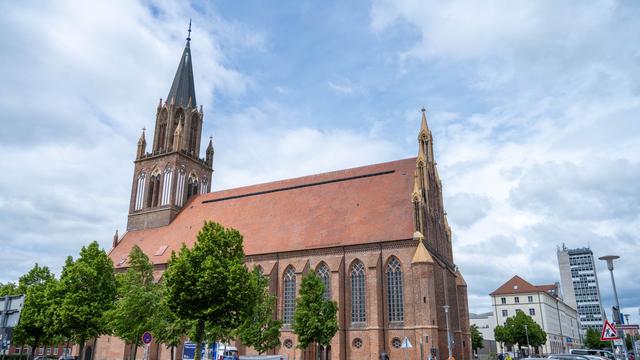
The Festspiele Mecklenburg-Vorpommern has officially launched its 2026 summer season with an opening concert held at the Konzertkirche Neubrandenburg. The NDR Radiophilharmonie and the Armida String Quartet performed at the event, marking the start of a diverse cultural program.
The Festspiele want to increase their visitor numbers.
From now until September 12, the festival will present approximately 120 concerts and various other events. These performances are scheduled to take place at more than 90 distinct locations throughout the state, utilizing a range of unique venues such as barns, churches, manor houses, and historic park grounds. The festival is recognized as one of Germany's largest classical music festivals, but its program extends beyond classical music to include jazz, retro-swing, and cabaret.
it has become more difficult to obtain both public support and private sponsorship funds in view of tight budgets.
Festival director Ursula Haselböck has set an ambitious goal to boost attendance this year, aiming for 70,000 ticket sales, an increase from the 65,000 tickets sold last summer. A spokesperson for the festival noted that securing both public funding and private sponsorships has become more challenging due to tighter budgets. While the festival now reaches more people than ever before, the average number of tickets purchased per person has decreased in recent years. Ticket sales, however, remain crucial, accounting for over half of the budget for the privately financed Festspiele MV.
the festival reaches more people today than ever before, but they buy fewer tickets per person than a few years ago.
DistantNews Editorial
Originally published by Die Zeit in German. Translated, summarized, and contextualized by our editorial team with added local perspective. Read our editorial standards.
More Stories


From Our Blog

What Gets Lost (and Found) When News Is Translated

How the Same Story Looks Different in Different Countries

The Critical Role of Diaspora Media in Global News

What Travellers Should Know About Countries with Restricted Press

A Digital Nomad's Guide to Following Local News
