


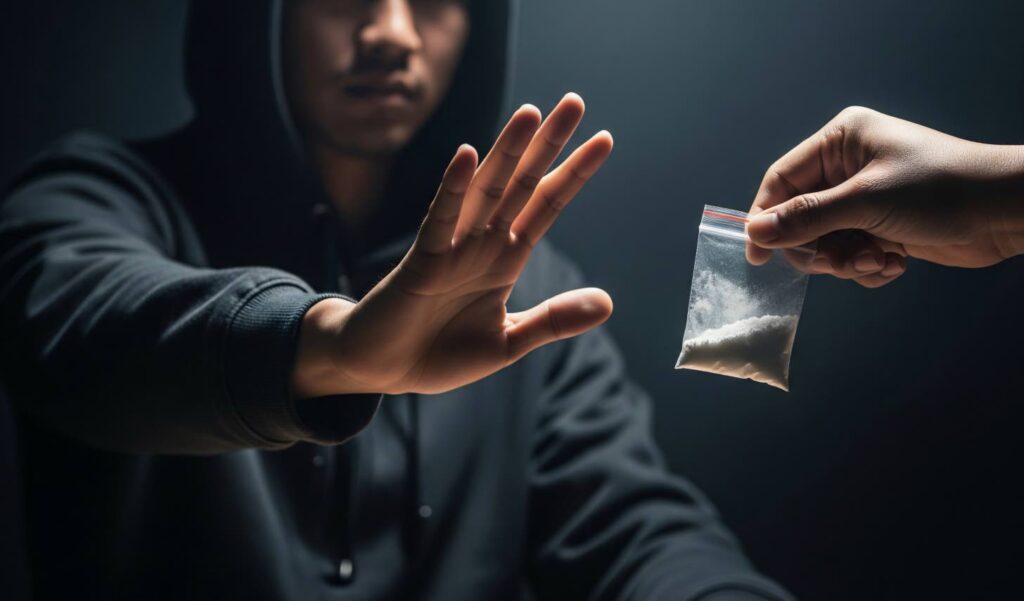
Fewer Jamaican Teenagers Drunk or High, But Concerns Remain
Translated from English, summarized and contextualized by DistantNews.
At a glance
News
Official statement
Outcome reported
- Fewer teenagers in Jamaica are using illegal drugs or drinking alcohol, according to the National Council on Drug Abuse (NCDA).
- Alcohol consumption among students aged 11-16 dropped significantly, as did the age of initiation.
- Despite positive trends, concerns remain about students attending school under the influence and easy access to substances.
Fewer teenagers across Jamaica are engaging in illegal drug use and alcohol consumption, a trend welcomed by the National Council on Drug Abuse (NCDA). However, the organization stresses that the numbers remain a cause for concern, necessitating continued prevention efforts.
The NCDA's Global School-Based Health Survey, which involved over 3,000 students, revealed a notable decline in alcohol consumption among students in grades seven to 11. The percentage dropped from 52.5% in 2010 to 38.8% in 2026. Furthermore, the proportion of children who began drinking before age 14 decreased from 80.2% in 2010 to 71.5% in 2026. The number of teens getting drunk also fell from 35.5% in 2010 to 21.5% in 2026.
the overall message for positive trends has been working; however, it says continued action is needed to strengthen early prevention programmes, enforce underage drinking laws, reduce youth exposure to alcohol marketing, and increase parent and school engagements.
Despite these improvements, 10.3% of adolescents still attend school under the influence of alcohol, and 10.6% are exposed to alcohol advertising. The NCDA attributes the positive trends to effective messaging but emphasizes the need to strengthen early prevention programs, enforce underage drinking laws, limit youth exposure to alcohol marketing, and increase parental and school involvement.
With some students still attending school under the influence of substances because of the easy access to ganja and ecstasy, the NCDA says it will be expanding its substance-use prevention programme, aimed at strengthening prevention, delaying initiation, reducing access, and providing timely support for young people.
The survey also indicated a decline in ganja (marijuana) use among adolescents, falling from 21.5% in 2017 to 15.7% in 2026. However, the NCDA expressed concern that 24.3% of adolescents have easy access to marijuana, and 5.5% continue to use ecstasy. The council plans to expand its substance-use prevention program to address these issues, focusing on prevention, delaying initiation, reducing access, and providing support. The program also aims to improve monitoring of emerging drugs.
Additionally, the survey noted a decrease in physical fights among students, dropping from 50.1% in 2010 to 27% in 2026, with a corresponding drop in fight-related injuries. Bullying also declined from 40.2% in 2016 to 27% in 2026. However, 15% of teenagers experienced cyberbullying in the past year, and 16.9% faced bullying outside of school grounds. The NCDA will enhance its violence-prevention and anti-bullying initiatives to maintain safe school environments.
despite a drop in physical fights among students, it will be strengthening its violence-prevention programme as it seeks to maintain safe school policies.
DistantNews Editorial
Originally published by Jamaica Observer in English. Translated, summarized, and contextualized by our editorial team with added local perspective. Read our editorial standards.
More Stories

From Our Blog

What Gets Lost (and Found) When News Is Translated

The Critical Role of Diaspora Media in Global News

What Travellers Should Know About Countries with Restricted Press

A Digital Nomad's Guide to Following Local News

How the Same Story Looks Different in Different Countries
