


FG, ILO unveil phase II of green transition project to boost jobs
Summarized and contextualized by DistantNews.
At a glance
News
Named sources
New plan
- Nigeria has launched Phase II of the International Labour Organization's Social Dimension of Ecological Transition Project, aiming to create decent jobs during its shift to a low-carbon economy.
- The project, funded by France, will run from 2025 to 2029 and focuses on supporting sustainable businesses, green jobs, and community resilience.
- Phase II builds on the first phase's success in developing Nigeria's Just Transition Guidelines and Action Plan, with an emphasis on practical implementation and stakeholder collaboration.
Nigeria has officially launched Phase II of the International Labour Organization's Social Dimension of Ecological Transition Project, signaling a strong commitment to a green economy that prioritizes decent work and inclusive growth. This initiative, funded by the French government, aims to ensure that Nigeria's transition to a low-carbon economy from 2025 to 2029 creates opportunities rather than hardships for its workforce.
It is my honour to deliver this keynote address at the launch of Phase II of the International Labour Organisation project on the Social Dimension of Ecological Transition.
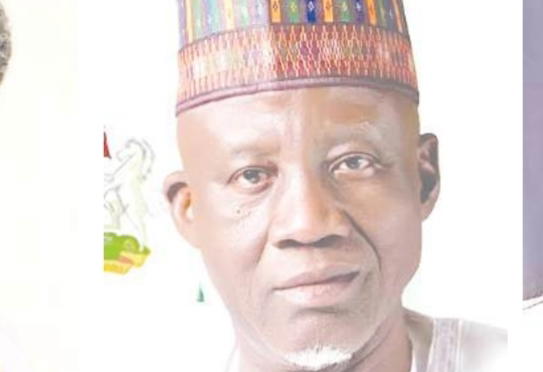
The project's launch in Abuja brought together a diverse group of stakeholders, including government officials, employers, workers' organizations, and climate experts. Minister of Labour and Employment, Dr. Muhammad Dingyadi, emphasized that this renewed partnership moves beyond policy statements to concrete action. "This gathering comes at an important moment as Nigeria deepens its commitment to climate action in a manner that advances decent work, social justice, sustainable enterprise development and inclusive growth," he stated.
This gathering comes at an important moment as Nigeria deepens its commitment to climate action in a manner that advances decent work, social justice, sustainable enterprise development and inclusive growth.
Phase II is designed to build upon the achievements of its predecessor. The first phase successfully strengthened national capacity through research, dialogue, and policy engagement, culminating in the development of Nigeria's Just Transition Guidelines and Action Plan. The focus now shifts to implementation, turning aspirations into tangible progress for workers, employers, and communities.
The renewal of this programme from 2025 to 2029 is an opportunity to move from policy commitment to implementation and to turn shared aspiration into measurable progress for workers, employers and communities.
Dr. Dingyadi urged all participants to translate their commitments into coordinated action, aligning resources and expertise. "The real test is implementation," he stressed. "Commitments must become investments, policies must become programmes and programmes must produce results that citizens can see and feel." The project seeks to foster sustainable businesses, generate green jobs, and enhance community resilience, ensuring a just and equitable ecological transition for Nigeria.
I therefore call on every institution represented here to move from commitment to coordinated action. Let us align our resources, expertise and social justice platforms behind the implementation of Phase II.
DistantNews Editorial
Originally published by The Punch. Summarized and contextualized by our editorial team with added local perspective. Read our editorial standards.
More Stories
From Our Blog

How the Same Story Looks Different in Different Countries

What Gets Lost (and Found) When News Is Translated

The Critical Role of Diaspora Media in Global News

What Travellers Should Know About Countries with Restricted Press

A Digital Nomad's Guide to Following Local News
