


FG to review foreign scholarships, focus on Nigerian schools — Minister
Summarized and contextualized by DistantNews.
At a glance
News
Named sources
Context piece
- The Nigerian Federal Government is reviewing its foreign scholarship programs to cut unnecessary spending and boost domestic universities.
- Education Minister Tunji Alausa stated that funds will no longer be used for overseas studies of courses available in Nigeria.
- This policy aims to build local capacity and ensure better value for public expenditure, with existing beneficiaries continuing to receive support.
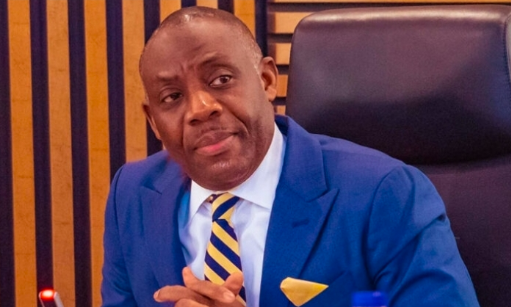
Nigeria's Federal Government is undertaking a significant review of its foreign scholarship and bilateral education agreements. The primary goal is to curb unnecessary expenditures and redirect public funds towards strengthening the nation's own tertiary institutions. Education Minister Dr. Tunji Alausa emphasized that the government can no longer justify spending scarce resources on sending students abroad for programs readily available within Nigerian universities, polytechnics, and colleges of education.
Number one, we have all those courses in Nigeria. And yet, number two, they were going to spend the first year learning French before they started the programme.
Alausa cited a specific instance where a proposal involved sending 100,000 Nigerian students to Morocco for courses taught in English, despite these subjects being offered locally. He highlighted the added complication that students would first need to spend a year learning French before commencing their studies. The minister argued that the cost of supporting such students abroad is unjustifiable when Nigeria has developed substantial capacity in its higher education sector.
And in the position of a few million to support this in Nigeria, we support thousands of them.
"The Bilateral Education Agreement was not making sense, again, to us in government. It was a way to waste government funds," Alausa stated, adding, "And this President will not waste any public funds." This review builds upon a previous decision to discontinue new government-funded Bilateral Education Agreement scholarships, though current beneficiaries will continue to receive support until their studies are complete. The policy does not preclude Nigerians from accepting scholarships offered by foreign governments.
So the Bilateral Education Agreement was not making sense, again, to us in government. It was a way to waste government funds.
DistantNews Editorial
Originally published by The Punch. Summarized and contextualized by our editorial team with added local perspective. Read our editorial standards.
More Stories

From Our Blog

How the Same Story Looks Different in Different Countries

What Gets Lost (and Found) When News Is Translated

The Critical Role of Diaspora Media in Global News

What Travellers Should Know About Countries with Restricted Press

A Digital Nomad's Guide to Following Local News
