


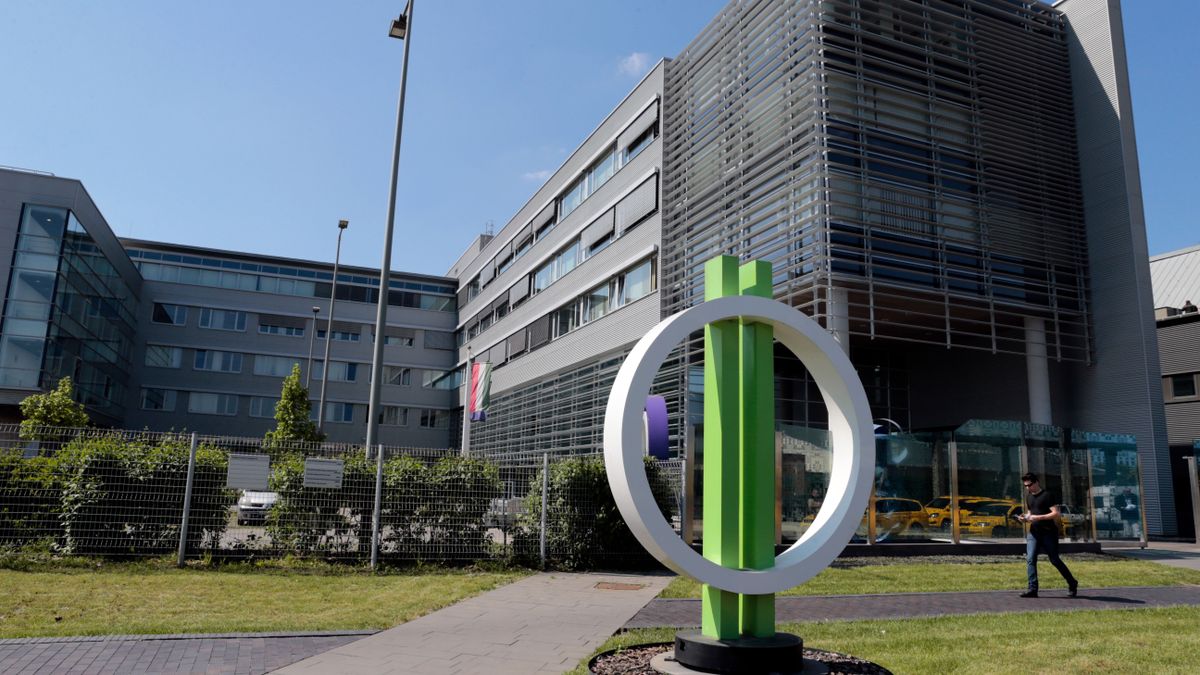
Fidesz slams 'total dictatorship' in public media leadership appointment
Translated from Hungarian, summarized and contextualized by DistantNews.
At a glance
News
Named sources
New plan
- Hungary's Fidesz party criticizes the swift, opaque selection of the new head of public media, calling it politically motivated.
- Fidesz claims the ruling Tisza party bypassed promises of transparency and public dialogue by appointing a leader based solely on a CV and cover letter.
- The party argues this decision, made under duress, grants immense power to one individual over significant resources and personnel.
Hungary's Fidesz party has sharply criticized the ruling Tisza party's appointment of a new leader for public media, labeling the process "total dictatorship." Fidesz asserts that the selection was conducted without proper consultation, transparency, or adherence to political neutrality, directly contradicting Tisza's campaign promises.
Politically appointed leader is being talked about by Fidesz
According to Fidesz representative Alexandra Szentkirályi, the Tisza-led majority appointed the new head of public media "without consultation, opaquely, and on a party-political basis." Szentkirályi, who also chairs the cultural committee, stated that Fidesz had requested sufficient time for a public bidding process, allowing the public to become acquainted with candidates and for the committee to interview them personally. Instead, the decision was forced through based on a simple resume and cover letter.
Without consultation, opaquely, and on a party-political basis, the new head of public media was elected by the Tisza majority. This is precisely the opposite of what Tisza promised the Hungarian people.
"This is precisely the opposite of what Tisza promised the Hungarian people," Szentkirályi declared. She emphasized the significant implications of this rushed decision, noting that the appointed leader will wield personal authority over tens of billions of forints and the fate of thousands of employees. Fidesz views this as a politically driven move that undermines the principles of fair process and public accountability they believe should govern public service media.
We requested that there be enough time for the tender process and that the candidates be widely known to the public, and that the committee could hear the candidates in person. We had to decide on the Tisza candidate based on a simple CV and cover letter, with forced urgency. On a leader who will decide alone over tens of billions of forints and the fate of thousands of people.
DistantNews Editorial
Originally published by Magyar Nemzet in Hungarian. Translated, summarized, and contextualized by our editorial team with added local perspective. Read our editorial standards.
More Stories
From Our Blog

Countries Without a Free Press: What You Need to Know

What Press Freedom Means for the News You Read

What Gets Lost (and Found) When News Is Translated

The Critical Role of Diaspora Media in Global News

What Travellers Should Know About Countries with Restricted Press
