

FIFA Confirms England's Equalizing Goal Against Norway Was Valid
Translated from Spanish, summarized and contextualized by DistantNews.
At a glance
News
Official statement
Outcome reported
- FIFA confirmed that England's equalizing goal against Norway in the 2026 World Cup quarter-finals was valid.
- The goal, scored by Jude Bellingham, was scrutinized after replays suggested the ball might have touched an aerial camera cable.
- Technology integrated into the official match ball, 'Trionda', showed no impact, validating the referee's decision.
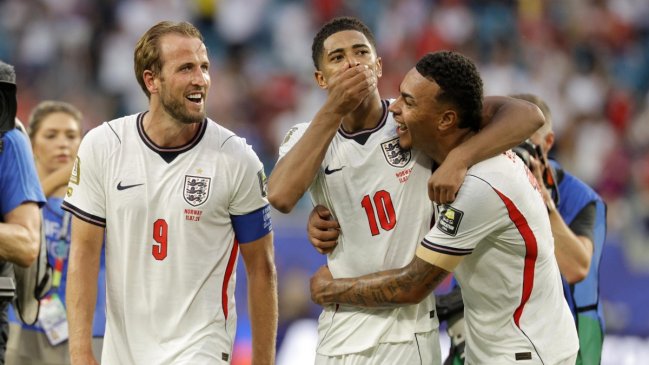
FIFA has officially confirmed the validity of England's controversial equalizing goal against Norway during the 2026 World Cup quarter-finals. The goal, scored by Jude Bellingham in stoppage time of the first half at Miami's Hard Rock Stadium, was initially questioned due to television replays that appeared to show the ball brushing against a cable supporting the 'spider-cam' during the preceding goal kick.
Under current regulations, any contact between the ball and an object suspended over the field of play should result in the immediate stoppage of play and a dropped ball. However, French referee Clément Turpin allowed play to continue, leading to the goal that leveled the score at 1-1.
FIFA's decision was based on data from the 'Connected Ball' technology embedded within the official 'Trionda' match ball. According to the governing body, the ball's internal sensor registered no alterations or contact spikes during the Norwegian goalkeeper Orjan Nyland's clearance. This technological evidence refutes claims of the ball touching the camera cable, thereby validating Bellingham's goal and concluding the debate surrounding the incident.
DistantNews Editorial
Originally published by Cooperativa in Spanish. Translated, summarized, and contextualized by our editorial team with added local perspective. Read our editorial standards.
More Stories


From Our Blog

What Gets Lost (and Found) When News Is Translated

The Critical Role of Diaspora Media in Global News

What Travellers Should Know About Countries with Restricted Press

A Digital Nomad's Guide to Following Local News

How the Same Story Looks Different in Different Countries
