


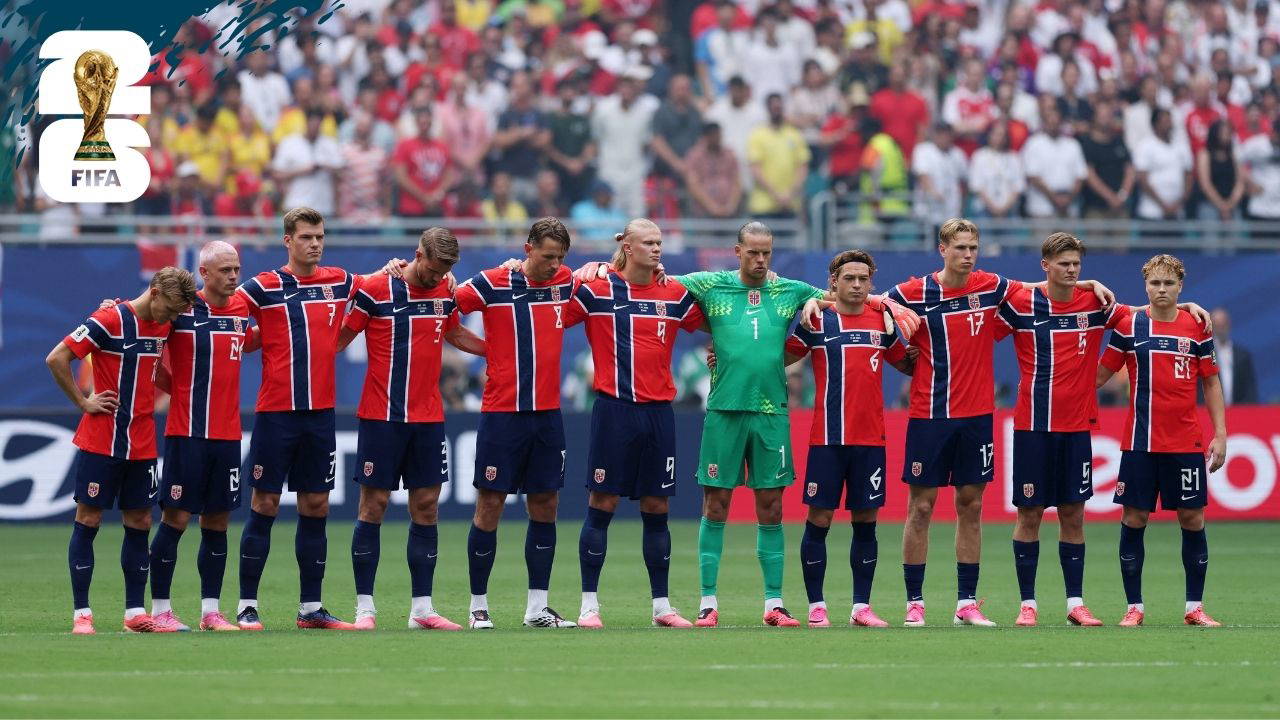
FIFA rejects Norway's appeal over England's controversial World Cup goal
Translated from Turkish, summarized and contextualized by DistantNews.
At a glance
News
Official statement
Outcome reported
- Norway appealed England's first goal in their World Cup quarterfinal loss, claiming the ball hit a camera wire.
- FIFA stated there was no evidence the ball touched the wire, thus validating the goal.
- The decision upheld the referee's call, sending Norway home after a 2-1 extra-time defeat.
Norway has lodged an appeal with FIFA regarding England's first goal in their World Cup quarterfinal match, which ended in a 2-1 extra-time defeat for the Norwegians. The controversy centers on England's equalizer in first-half stoppage time, scored by Jude Bellingham.
Norwegian officials contend that before Bellingham's goal, the ball, following a goal kick by Norwegian goalkeeper Orjan Nyland, struck an overhead "spider camera" wire. This contact, they argue, altered the ball's trajectory, leading to a turnover and the subsequent goal by England's Elliot Anderson, which then set up Bellingham's equalizer. Norway believes the referee, Clement Turpin, should have intervened or that VAR should have reviewed the incident.
FIFA, however, has dismissed Norway's claims. In a statement, the governing body declared that "the sensor in the Connected Ball showed no peak in the 'heartbeat of the ball' when in the air, and therefore no evidence that the ball touched the overhead wire and changed the movement of the ball." This official response confirms that the goal was valid according to their analysis, upholding the on-field decision.
The ruling means Norway's World Cup campaign concludes with this controversial moment, despite their impressive run to the quarterfinals. The team's exit, marked by this dispute, adds a layer of frustration to their otherwise celebrated return to the global tournament.
Before England’s goal in minute 45+2 against Norway, the sensor in the Connected Ball showed no peak in the 'heartbeat of the ball' when in the air, and therefore no evidence that the ball touched the overhead wire and changed the movement of the ball.
DistantNews Editorial
Originally published by Cumhuriyet in Turkish. Translated, summarized, and contextualized by our editorial team with added local perspective. Read our editorial standards.
More Stories



From Our Blog

What Gets Lost (and Found) When News Is Translated

The Critical Role of Diaspora Media in Global News

What Travellers Should Know About Countries with Restricted Press

A Digital Nomad's Guide to Following Local News

How the Same Story Looks Different in Different Countries
