

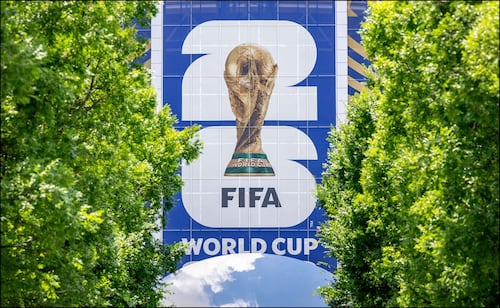
FIFA reverses course; will allow water bottles at 2026 World Cup
Translated from Spanish, summarized and contextualized by DistantNews.
At a glance
News
Sources not specified
New plan
- FIFA has reversed its decision and will now permit fans to bring soft plastic water bottles into stadiums for the 2026 World Cup.
- Fans can enter venues with one sealed, disposable 20-ounce (590 ml) plastic water bottle.
- FIFA cited security reasons for prohibiting hard, reusable bottles, a change from previous regulations that allowed them.
FIFA has altered its policy regarding water bottles at the 2026 World Cup, now allowing fans to bring soft plastic bottles into stadiums. This marks a significant reversal from an earlier prohibition, aiming to accommodate attendees during the tournament held in the United States and Canada.
According to the revised regulations, all spectators will be permitted to enter any World Cup 2026 venue with one sealed, factory-packaged, soft, disposable plastic water bottle. Each bottle must not exceed 20 ounces (590 ml) in volume.
All fans will be able to enter any 2026 World Cup match in the United States and Canada with a soft plastic, disposable water bottle, 20 ounces (590 ml), factory sealed.
FIFA officials explained that hard, reusable bottles will still be prohibited for security reasons. This clarification addresses potential concerns about the type of containers fans can bring, ensuring a balance between fan comfort and venue safety. The organization's decision reflects an adjustment to its initial stance on stadium access for the upcoming global event.
This policy change is the second adjustment FIFA has made concerning stadium access for water bottles. Previously, the code of conduct had permitted reusable water bottles, a rule that was later changed before this latest reversal. The World Cup is scheduled to commence on June 11.
As explained by the director of World Cup 2026 operations, Heimo Schirgi, hard and reusable bottles will not be allowed for security reasons.
DistantNews Editorial
Originally published by El Universal in Spanish. Translated, summarized, and contextualized by our editorial team with added local perspective. Read our editorial standards.
More Stories


From Our Blog

What Press Freedom Means for the News You Read

What Gets Lost (and Found) When News Is Translated

The Critical Role of Diaspora Media in Global News

What Travellers Should Know About Countries with Restricted Press

A Digital Nomad's Guide to Following Local News
