


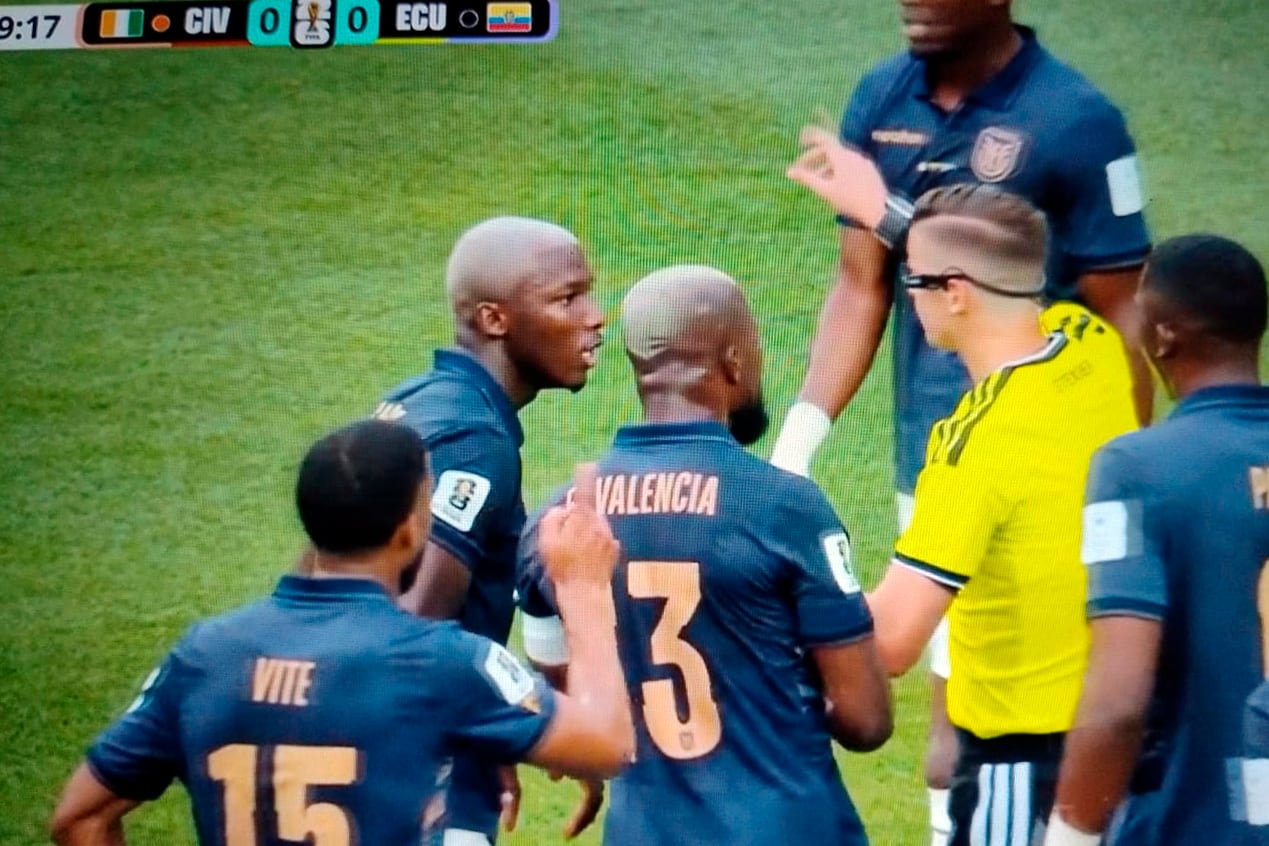
FIFA rule flaw sparks World Cup scandal fears
Translated from Spanish, summarized and contextualized by DistantNews.
At a glance
News
Sources not specified
Context piece
- A new FIFA rule requiring players to leave the field for one minute after receiving medical attention is causing controversy at the World Cup.
- The rule has led to perceived injustices where players who are genuinely injured, especially from fouls the referee missed, must leave the field, potentially disadvantaging their team.
- Critics argue the rule, intended to prevent time-wasting, unfairly penalizes injured players and could lead to significant scandals if it impacts game outcomes.
A new FIFA regulation designed to curb simulation and time-wasting is sparking controversy at the World Cup, with critics arguing it creates unfair disadvantages for genuinely injured players. The rule mandates that any player receiving medical attention must remain off the field for one minute after play resumes.
Triple injustice perpetrated. The offender went unpunished, VAR has no authority to correct the referee's omission, and the team receiving the foul is left with one less player.
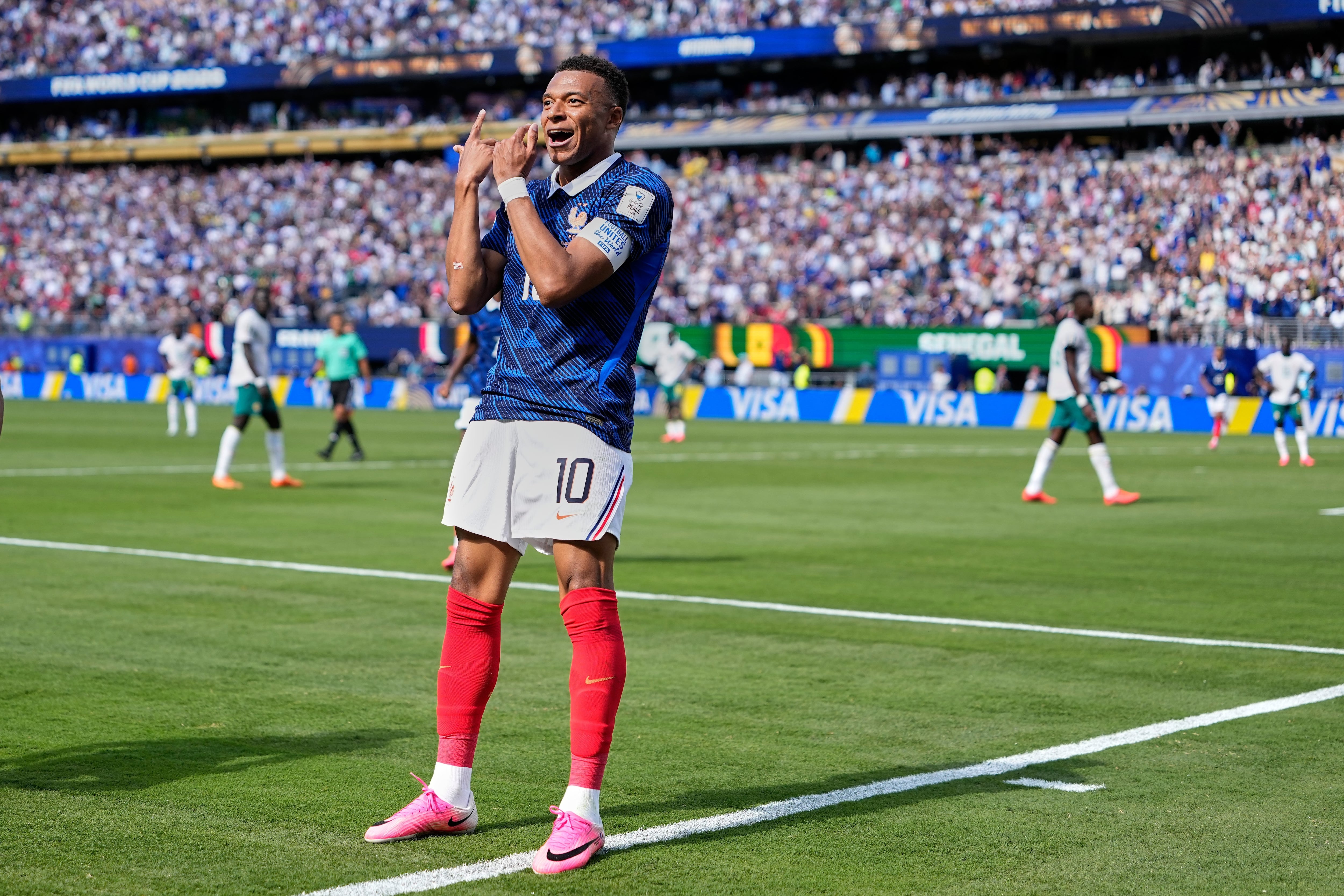
This regulation has already led to contentious moments. In one instance during a match between France and Senegal, a Senegalese player was fouled but the referee did not initially see the infraction. After play continued and the player was eventually attended to, he was forced to leave the field under the new rule, despite being the victim of the foul.
The rule does not distinguish. Senegal was close to scoring in that final play of the match, while the French defenders complained.
The article highlights the "triple injustice" of such situations: the initial foul goes unpunished, VAR cannot intervene for missed calls that don't result in cards, and the injured team is penalized by losing a player. This unintended consequence, intended to prevent players from faking injuries, now risks penalizing those who are legitimately hurt, potentially leading to major scandals if it affects match results.
But... what happens in these cases where the player is actually injured? And what if, moreover, it is due to an infraction that the referee did not notice and that is not serious enough to deserve VAR intervention?
DistantNews Editorial
Originally published by La Nación in Spanish. Translated, summarized, and contextualized by our editorial team with added local perspective. Read our editorial standards.
More Stories

From Our Blog

What Gets Lost (and Found) When News Is Translated

The Critical Role of Diaspora Media in Global News

What Travellers Should Know About Countries with Restricted Press

A Digital Nomad's Guide to Following Local News

How the Same Story Looks Different in Different Countries
