


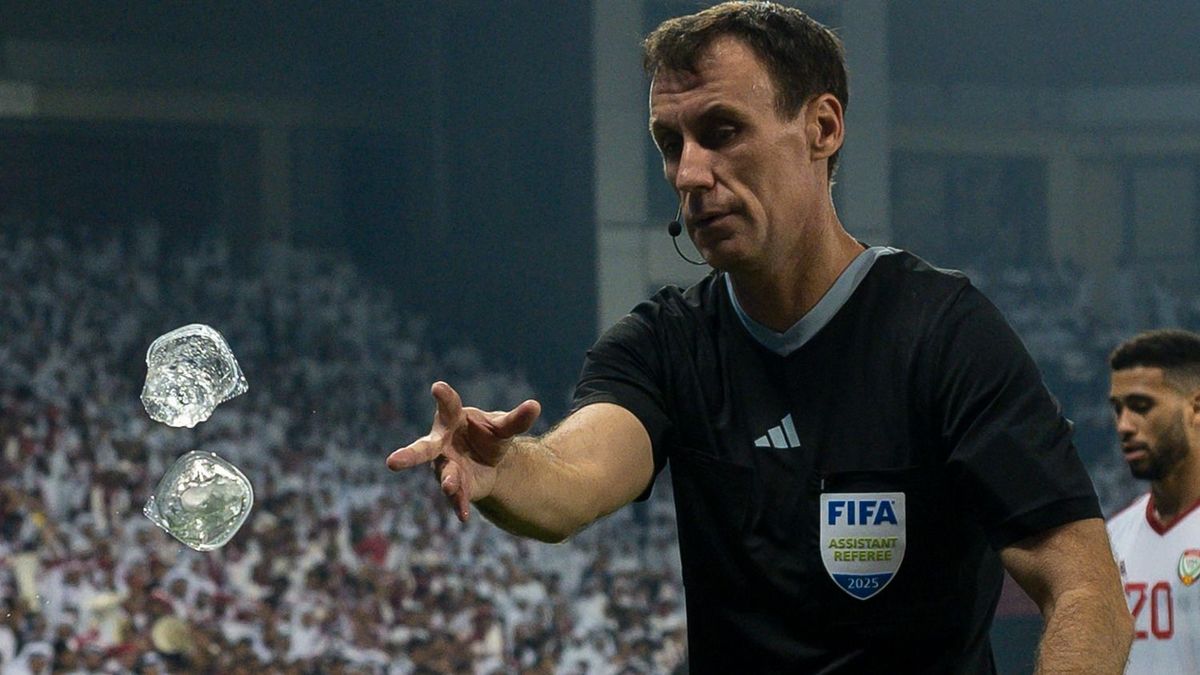
FIFA's Bottled Water Ban Criticized Ahead of World Cup Amid Heat Concerns
Translated from Hungarian, summarized and contextualized by DistantNews.
At a glance
News
Sources not specified
New plan
- FIFA's ban on bottled water at the Club World Cup raises concerns about player and spectator hydration during high-risk matches due to extreme heat.
- The players' union, FIFPRO, recommends safety measures for temperatures above 26 degrees Celsius and suggests postponing matches if temperatures exceed this threshold.
- Critics argue the ban contradicts the human right to adequate hydration, especially in the face of climate change-induced heat.
FIFA's decision to ban bottled water at the Club World Cup has sparked criticism, with concerns raised about the potential risks to players and spectators amid dangerously high temperatures. The ban, aimed at preventing risks and injuries, comes as several host cities face average temperatures potentially reaching 28 degrees Celsius.
The price of bottled water was between $4 and $6 at last year's Club World Cup in the United States.
According to The Athletic, bottled water prices ranged between $4 and $6 at last year's tournament in the United States. While ensuring player hydration is crucial, the international organization is being urged not to overlook the needs of spectators sitting in the stands.
The players' world union, FIFPRO, has expressed its concerns, noting that over a third of World Cup matches are considered high-risk due to hot and humid conditions. FIFPRO recommends implementing safety measures for temperatures exceeding 26 degrees Celsius and suggests that matches should be postponed if temperatures climb higher.
More than a third of World Cup matches are high-risk due to dangerously hot and humid conditions.
Critics, including climate researcher Theodore Keeping from Imperial College London, argue that FIFA's decision directly conflicts with the human right to adequate hydration. Keeping stated, "Ensuring adequate access to fluid replacement is one of the most basic defenses against extreme heat caused by climate change."
The players' world union (FIFPRO) recommends implementing safety measures for temperatures above 26 degrees Celsius, and around five matches may see even higher temperatures. Under these conditions, FIFPRO believes the matches should be postponed.
The World Cup is scheduled to begin on June 11, intensifying the debate over FIFA's policies and their impact on player and spectator well-being in extreme weather conditions.
Ensuring adequate access to fluid replacement is one of the most basic defenses against extreme heat caused by climate change.
DistantNews Editorial
Originally published by Magyar Nemzet in Hungarian. Translated, summarized, and contextualized by our editorial team with added local perspective. Read our editorial standards.
More Stories



From Our Blog

Countries Without a Free Press: What You Need to Know

What Press Freedom Means for the News You Read

What Gets Lost (and Found) When News Is Translated

The Critical Role of Diaspora Media in Global News

What Travellers Should Know About Countries with Restricted Press
