

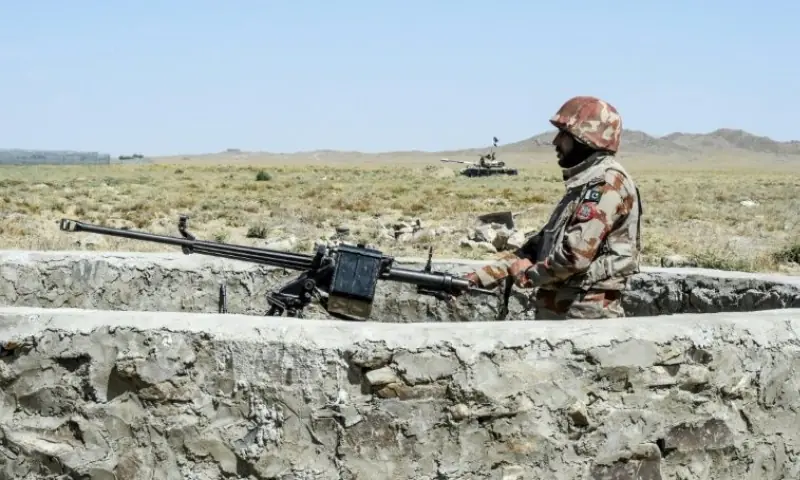

Fighting Israel’s war
Summarized and contextualized by DistantNews.
At a glance
Analysis
Sources not specified
Ongoing story
- The article argues that the United States is effectively fighting Israel's war in the Middle East, dictating regional terms.
- Israel's military actions in Lebanon have escalated the conflict, complicating US-Iran diplomatic efforts and broadening the war's scope.
- Iran has suspended negotiations with the US and threatened to block the Strait of Hormuz, linking peace talks to a ceasefire in Lebanon and Israeli withdrawal.
The ongoing conflict in the Middle East is characterized as a situation where "the tail is wagging the dog," with the United States deeply involved in fighting Israel's war and effectively setting the terms for peace and conflict in the region. Israel's recent military escalation in Lebanon has significantly complicated diplomatic efforts to resolve the US-Iran conflict and has expanded the theater of war.
Despite claims by President Donald Trump of having halted the conflict, hostilities persist. Israeli forces have occupied substantial parts of Lebanon, and relentless bombings have devastated Beirut, undermining a US-brokered ceasefire. Iran, incensed by Israel's actions, has suspended back-channel negotiations with the US. Tehran has warned it could "completely block" the Strait of Hormuz, further escalating regional tensions. Iran insists that any peace talks are contingent on a ceasefire in Lebanon and Israel's withdrawal from the region, also threatening strikes against Israel if the war does not cease.
Hours after Iran's threats, Trump stated he had urged Israel to halt its offensive, but there were no immediate signs of de-escalation. Last week, Israel captured the strategic Beaufort Castle and its surrounding ridge in southern Lebanon. This site, known as Qalaat al-Shaqif, was previously used by Israeli forces during their two-decade occupation of southern Lebanon, which ended in 2000. This latest military action marks Israel's deepest incursion into Lebanon in 26 years, with apparent US approval, extending the conflict with Iran into the Levant.
Israel's stated pretext for entering Lebanon was to combat Hezbollah, a pro-Iran group based in southern Lebanon. Although Israel claimed to have dismantled Hezbollah's leadership last year, recent retaliatory attacks indicate the group remains capable of resistance. Israel has also sustained significant casualties, with reports of 26 soldiers killed during the invasion. Hezbollah, formed in 1982 in response to Israel's invasion, has been a powerful resistance movement and political force in Lebanon, ultimately contributing to Israel's withdrawal in 2000. Despite receiving backing from Iran, Hezbollah maintains its political independence and is militarily engaged against Israel in the current US-Israel conflict with Iran.
DistantNews Editorial
Originally published by Dawn. Summarized and contextualized by our editorial team with added local perspective. Read our editorial standards.
More Stories
From Our Blog

What Gets Lost (and Found) When News Is Translated

The Critical Role of Diaspora Media in Global News

What Travellers Should Know About Countries with Restricted Press

A Digital Nomad's Guide to Following Local News

How the Same Story Looks Different in Different Countries
