


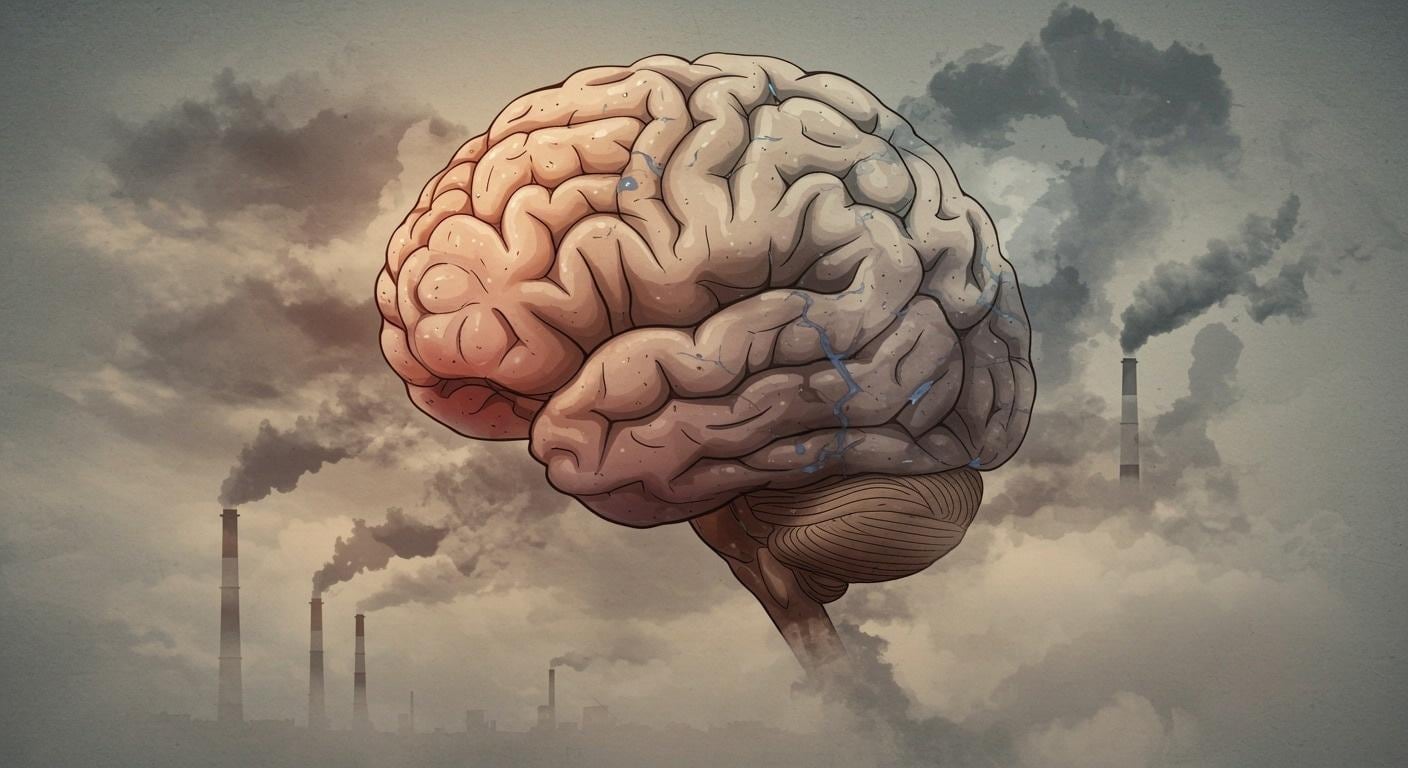
Fine Dust Exposure Ages Brain by 10 Years, Study Warns
Translated from Korean, summarized and contextualized by DistantNews.
At a glance
News
Sources not specified
Context piece
- Prolonged exposure to fine dust can cause cognitive decline, akin to aging the brain by 10 years.
- The study highlights the severe impact of air pollution on brain health, suggesting it's more detrimental than previously understood.
- Researchers emphasize the urgent need for measures to mitigate fine dust exposure to protect cognitive function.
Breathing in fine dust over extended periods can significantly damage the brain, leading to cognitive impairment comparable to a decade of aging, according to a recent study. The findings suggest that the cumulative effects of air pollution on neurological health are more severe than commonly believed.
Researchers have found that the tiny particles in fine dust can penetrate the brain, causing inflammation and oxidative stress. This damage can disrupt neural pathways and impair cognitive functions such as memory, learning, and decision-making. The study indicates that the impact is not just temporary but can lead to long-term, potentially irreversible, decline.
Prolonged exposure to fine dust can cause cognitive decline, akin to aging the brain by 10 years.
The research draws a stark comparison, stating that the brain aging caused by fine dust pollution can be more detrimental than the natural aging process over 10 years. This underscores the critical threat that air quality poses to public health, particularly for vulnerable populations such as the elderly and those with pre-existing cognitive conditions. The findings call for immediate and effective strategies to reduce fine dust levels and protect citizens' brain health.
It is more detrimental than aging by 10 years.
DistantNews Editorial
Originally published by Chosun Ilbo in Korean. Translated, summarized, and contextualized by our editorial team with added local perspective. Read our editorial standards.
More Stories



From Our Blog

What Gets Lost (and Found) When News Is Translated

The Critical Role of Diaspora Media in Global News

What Travellers Should Know About Countries with Restricted Press

A Digital Nomad's Guide to Following Local News

How the Same Story Looks Different in Different Countries
