


Fire safety becomes priority in Argentina's real estate market after code reform
Translated from Spanish, summarized and contextualized by DistantNews.
At a glance
News
Named sources
Context piece
- Argentina's real estate market is prioritizing fire safety following a 2018 urban code reform that mandates stricter building requirements.
- Experts emphasize that fire protection systems must be integrated from the start of construction and regularly maintained to prevent common causes of fires like faulty wiring.
- Technological advancements, such as real-time connectivity with emergency services, are improving response times and reducing damage from fires.
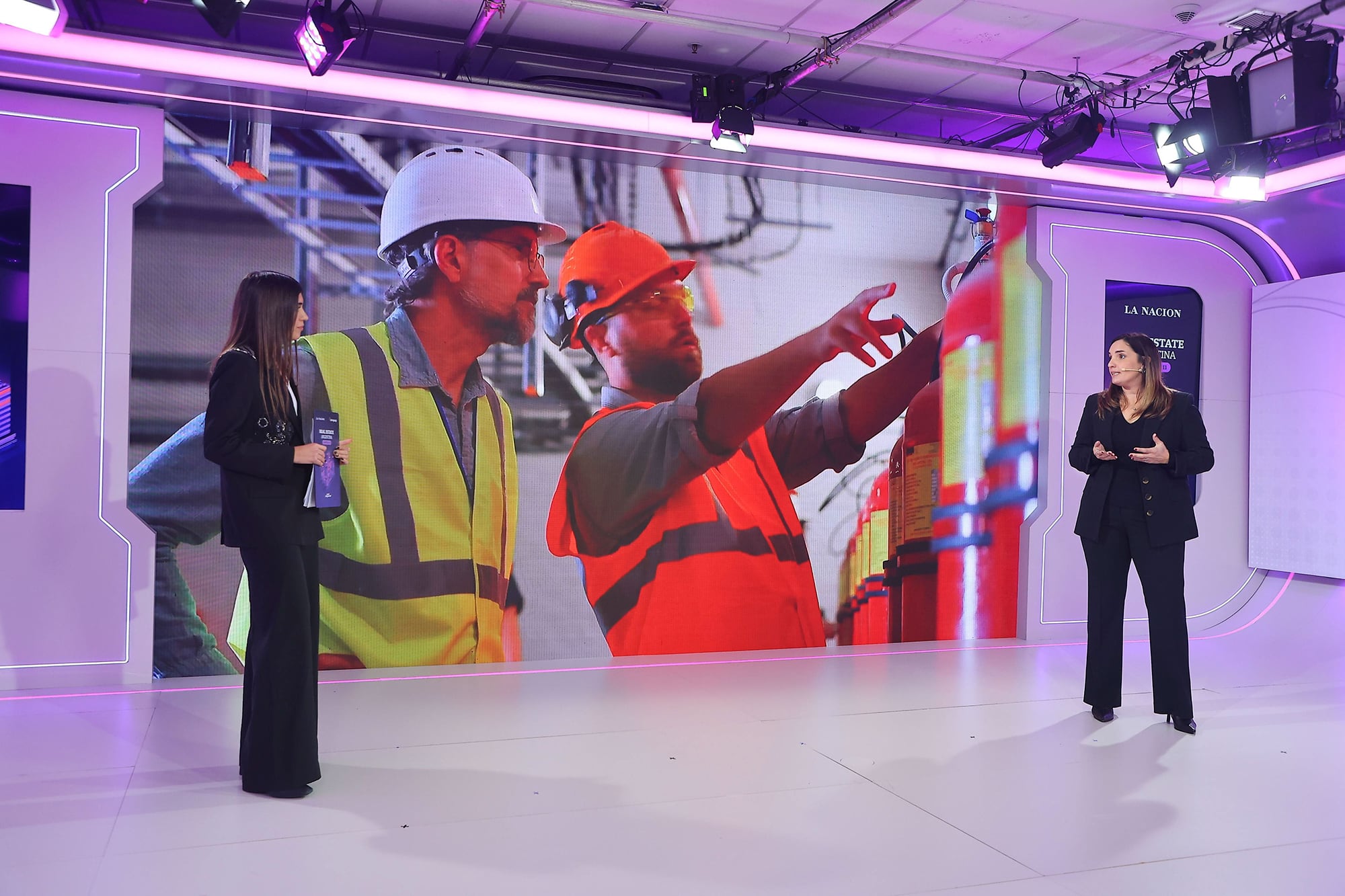
Argentina's real estate sector is increasingly focused on fire safety, a crucial but often overlooked aspect of building construction and maintenance. Jorgelina Rossi, general manager of Prevind, a fire protection company, highlighted the significant impact of the "New Urban Code" (Law 6.100) enacted in 2018. This reform replaced previous discretionary approaches with concrete fire protection requirements for all new building permit applications in Buenos Aires.
The one who does not comply cannot get a permit. And that has civil and criminal consequences.
"The one who does not comply cannot get a permit. And that has civil and criminal consequences," Rossi stated. She noted that while the reform was approved in 2018, its full implementation was delayed by the pandemic. Now, stricter regulations and controls are in effect, which Rossi described as a necessary ordering for the industry. Over the past two decades, fire protection in Argentina has evolved significantly from a basic code with a focus on initial installation rather than ongoing maintenance, which often led to obsolete systems.
For us as an industry, it was a necessary ordering.
Rossi stressed that fire protection systems are not just for completed buildings but must be incorporated early in the construction phase. Integrating them late can lead to technical incompatibilities, increased costs, and delays. A common mistake by building managers is neglecting maintenance after a building is approved. "Sprinklers might not work, valves might be inoperative, or hoses might be in poor condition," she explained, recommending monthly or quarterly checks.
Before there was a very basic code, and investment was made in the installation, but not in maintenance; in this way, the systems became obsolete.
Many fires stem from preventable issues like faulty wiring or overloaded electrical systems that go uninspected. Rossi also pointed to technological advancements, such as real-time connectivity with emergency services, which drastically reduce response times and mitigate damage. The integration of chips has also been identified as a revolutionary development in the sector.
When fire protection is incorporated late, in the advanced construction stage, technical incompatibilities, cost overruns, and delays are generated.
DistantNews Editorial
Originally published by La Nación in Spanish. Translated, summarized, and contextualized by our editorial team with added local perspective. Read our editorial standards.
More Stories


From Our Blog

What Gets Lost (and Found) When News Is Translated

The Critical Role of Diaspora Media in Global News

What Travellers Should Know About Countries with Restricted Press

A Digital Nomad's Guide to Following Local News

How the Same Story Looks Different in Different Countries
