

Fireworks, heat, and drought put Fourth of July at high risk for wildfires
Translated from English, summarized and contextualized by DistantNews.
At a glance
News
Sources not specified
Context piece
- The United States faces a high risk of wildfires this Fourth of July due to widespread drought and heat, exacerbated by fireworks.
- Fireworks are a significant cause of human-caused fires, with a clear spike on July 4th each year.
- Many areas are experiencing severe drought, leading to canceled fireworks shows and increased fire risk, especially in the West and Southeast.
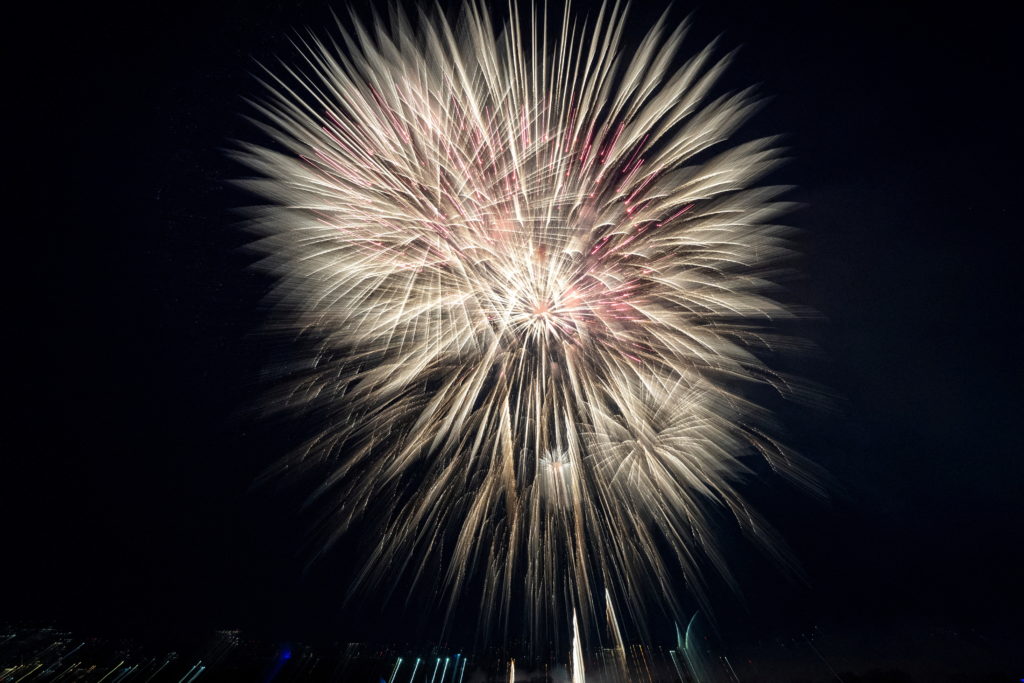
As the United States prepares to celebrate its 250th anniversary with widespread Fourth of July festivities, a dangerous combination of heat, drought, and fireworks poses a significant wildfire risk. Many cities are planning spectacular displays, but the potential for pyrotechnics to ignite fires, including dangerous wildfires, is a major concern.
Fireworks are a leading cause of human-caused fires in the U.S., responsible for an estimated 32,000 fires in 2023 alone. July 4th consistently sees a sharp increase in these incidents. This year, much of the country is experiencing moderate to severe drought conditions, leaving vast areas highly susceptible to fire ignition and rapid spread.
In response to the elevated risk, several communities have implemented fireworks bans. In some exceptionally dry regions, even professional fireworks shows have been canceled or replaced with drone light displays. This precautionary measure is particularly evident in areas like Colorado, where destructive wildfires are already forcing evacuations.
The U.S. has already endured a severe wildfire season in the first half of 2026, with more fires than in the same period of any previous year on record. The Southeast experienced below-normal precipitation, leading to dry conditions that fueled spring wildfires, with over 40% of the region still in severe drought by late June. Similarly, a lack of winter snowpack has left Western forests unusually dry. Large parts of the West and Great Plains are facing extreme or exceptional drought, with projections indicating above-normal fire risk continuing into July across much of the West and Texas. Heat waves further intensify this risk, as a recent study found that 42% of all land burned in the West between 2001 and 2024 occurred during or immediately after a heat wave.
DistantNews Editorial
Originally published by PBS NewsHour in English. Translated, summarized, and contextualized by our editorial team with added local perspective. Read our editorial standards.
More Stories


From Our Blog

How the Same Story Looks Different in Different Countries

What Gets Lost (and Found) When News Is Translated

The Critical Role of Diaspora Media in Global News

What Travellers Should Know About Countries with Restricted Press

A Digital Nomad's Guide to Following Local News
