

First atomic bomb test, 'Trinity,' ushered in nuclear age amid secrecy and fear
Translated from Croatian, summarized and contextualized by DistantNews.
At a glance
News
Named sources
New plan
- On July 16, 1945, the United States conducted the first-ever test of a nuclear weapon, codenamed 'Trinity,' in the New Mexico desert.
- This event marked the dawn of the atomic age, ushering in an era of unprecedented destructive power and Cold War anxieties.
- Scientists and military leaders, including J. Robert Oppenheimer and General Leslie Groves, oversaw the detonation despite challenging weather conditions, unaware of the potential radioactive fallout affecting nearby residents.
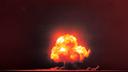
In the pre-dawn hours of July 16, 1945, the world irrevocably entered the atomic age with the United States' successful detonation of the first nuclear weapon. Codenamed 'Trinity,' the experiment took place in the Jornada del Muerto desert in New Mexico, a pivotal moment in the secret Manhattan Project.
Led by physicist J. Robert Oppenheimer and military head General Leslie Groves, scientists and military personnel prepared for the dawn test. The device, known as 'The Gadget,' was positioned atop a 30-meter steel tower. Despite facing adverse weather, including lightning and rain, the team proceeded, concerned about potential premature detonation or increased radioactive fallout affecting unsuspecting local populations.
After a weather forecast predicted clearing skies, the countdown commenced. At 5:29:21 AM, the detonators were triggered. The resulting explosion, witnessed by approximately 425 observers, unleashed a blinding flash described as brighter than a thousand suns. The tower vanished instantly, and a massive mushroom cloud, filled with thousands of tons of dust and radioactive particles, rose miles into the sky, visible from nearly 300 kilometers away.
DistantNews Editorial
Originally published by Večernji List in Croatian. Translated, summarized, and contextualized by our editorial team with added local perspective. Read our editorial standards.
More Stories


From Our Blog

What Gets Lost (and Found) When News Is Translated

The Critical Role of Diaspora Media in Global News

What Travellers Should Know About Countries with Restricted Press

A Digital Nomad's Guide to Following Local News

How the Same Story Looks Different in Different Countries
