


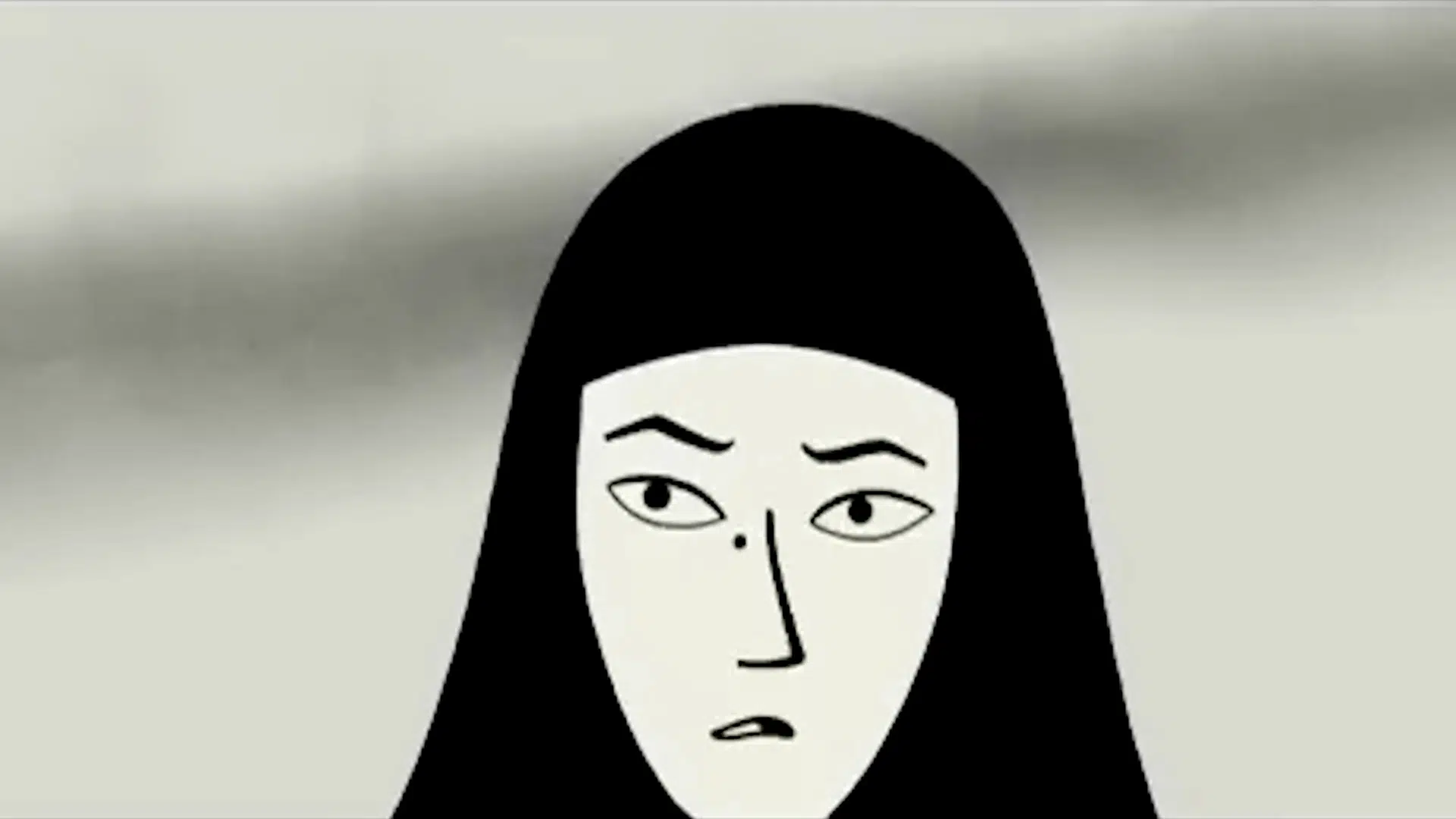
First banned by Iran's clerical rulers, then criticized by the identitarian left: Marjane Satrapi's 'Persepolis'
Translated from Danish, summarized and contextualized by DistantNews.
At a glance
Analysis
Sources not specified
Context piece
- A book by Marjane Satrapi, "Persepolis," which details her rebellion against Iran's clerical regime and escape to Europe, is discussed.
- The graphic novel initially received enthusiastic praise from the French left, with Satrapi hailed as a feminist dissident.
- The article notes that the book first faced a ban from Iran's clerical rulers before encountering criticism from the "identitarian left."
Marjane Satrapi's graphic novel "Persepolis," a personal account of her rebellion against Iran's clerical regime and subsequent flight to Europe, is the subject of discussion following a complex reception history. The book, which chronicles Satrapi's life, was initially met with widespread acclaim upon its release in 2000.
Commentators on the French left enthusiastically embraced "Persepolis," celebrating Satrapi as a significant feminist voice and a dissident figure challenging the Iranian government. Her work was seen as a powerful depiction of personal and political struggle against oppression.
However, the narrative surrounding the book has evolved. It first faced censorship from Iran's clerical rulers. More recently, the article suggests, Satrapi and her work have also drawn criticism from segments of the "identitarian left." This indicates a shift in the critical landscape, where the book's reception is no longer uniformly positive, despite its initial praise.
DistantNews Editorial
Originally published by Berlingske in Danish. Translated, summarized, and contextualized by our editorial team with added local perspective. Read our editorial standards.
More Stories



From Our Blog

What Gets Lost (and Found) When News Is Translated

The Critical Role of Diaspora Media in Global News

What Travellers Should Know About Countries with Restricted Press

A Digital Nomad's Guide to Following Local News

How the Same Story Looks Different in Different Countries
