


First Three Days of Sickness Unpaid Again? Motorists Revive Idea of Waiting Period
Translated from Czech, summarized and contextualized by DistantNews.
At a glance
News
Named sources
Context piece
- The Czech political party 'Motoristé sobě' plans to revisit the debate on 'karenční doba' (waiting period) for sick leave.
- Proponents argue it reduces abuse and employer burden, while opponents believe it punishes the sick.
- The Minister for Sport, Prevention, and Health confirmed the party will address the issue in September.
A controversial proposal to reintroduce a waiting period for sick leave, known as 'karenční doba,' is set to be revived by the Czech political party 'Motoristé sobě.' This policy would involve not paying employees for the first three days of their work incapacity.
Supporters of the 'karenční doba' argue that it is necessary to curb perceived abuse of sick leave and alleviate the financial burden placed on employers. They believe that some individuals exploit sick leave, leading to inefficiencies and increased costs for businesses.
Conversely, opponents contend that such a measure unfairly penalizes individuals who are genuinely ill. They argue that people should not be punished for being sick and that the policy could discourage employees from taking necessary time off to recover, potentially impacting public health.
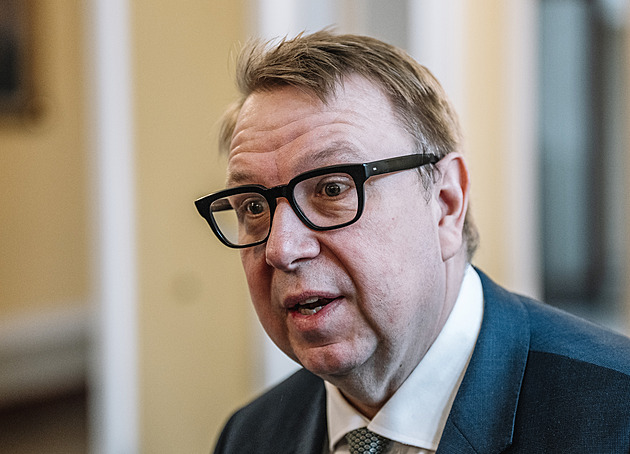
Boris Šťastný, the Minister for Sport, Prevention, and Health and a member of 'Motoristé sobě,' confirmed to iDNES.cz that the party intends to reopen discussions on this matter in September. The planned revival of the debate highlights the ongoing tension between managing employee absenteeism and ensuring adequate support for workers during illness.
We will return to this matter in September.
DistantNews Editorial
Originally published by iDNES in Czech. Translated, summarized, and contextualized by our editorial team with added local perspective. Read our editorial standards.
More Stories
From Our Blog

What Gets Lost (and Found) When News Is Translated

The Critical Role of Diaspora Media in Global News

What Travellers Should Know About Countries with Restricted Press

A Digital Nomad's Guide to Following Local News

How the Same Story Looks Different in Different Countries
