


Fiscal Key: Basic basket and taxes in Costa Rica
Translated from Spanish, summarized and contextualized by DistantNews.
At a glance
Analysis
Named sources
Context piece
- A fiscal key law in Costa Rica created a partial exception to protect essential consumption for low-income households.
- The measure aims to shield basic necessities from tax burdens.
- The article discusses the implications of this fiscal policy on essential goods.
A recent fiscal law in Costa Rica has introduced a partial exception designed to shield essential household consumption, particularly for lower-income families, from tax increases. This measure seeks to ensure that basic necessities remain accessible and affordable for vulnerable populations.
The legislation specifically targets the protection of the "canasta básica" (basic food basket), a key indicator of household living costs. By creating this exception, the government aims to prevent tax policies from disproportionately impacting those with limited financial resources, thereby safeguarding their ability to meet fundamental needs.
This fiscal approach underscores a commitment to social equity, recognizing the importance of maintaining access to essential goods. The move is expected to have a tangible impact on household budgets, providing some relief from potential tax burdens on everyday necessities.
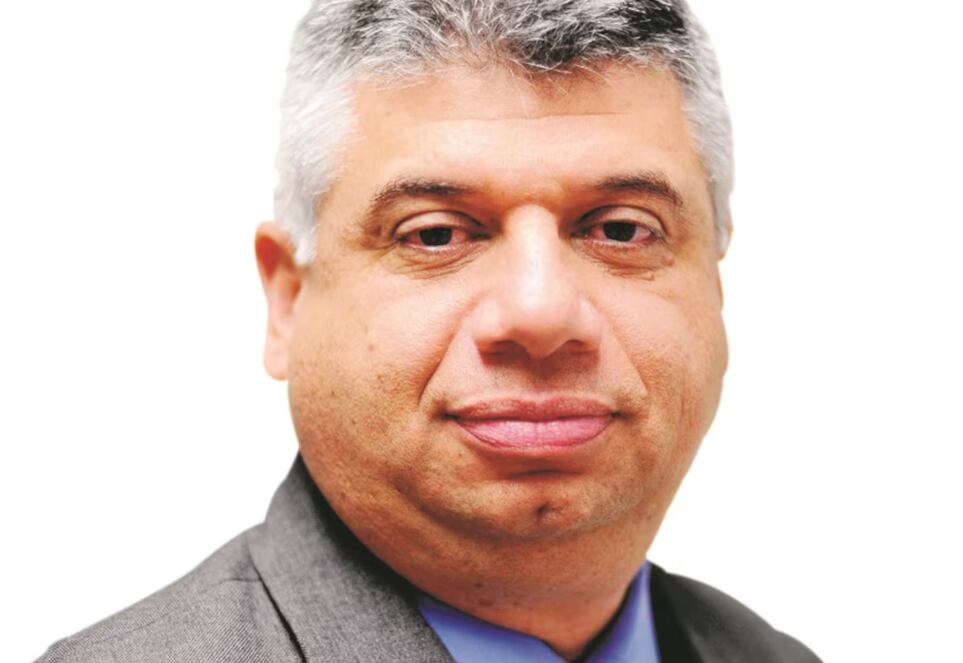
The article, written by Ricardo González, a lawyer and economy columnist for La Nación, delves into the specifics of this fiscal policy and its broader implications for consumers and the economy. It highlights the delicate balance between fiscal management and social welfare, particularly in ensuring the affordability of essential items.
DistantNews Editorial
Originally published by La Nación in Spanish. Translated, summarized, and contextualized by our editorial team with added local perspective. Read our editorial standards.
More Stories


From Our Blog

What Gets Lost (and Found) When News Is Translated

The Critical Role of Diaspora Media in Global News

What Travellers Should Know About Countries with Restricted Press

A Digital Nomad's Guide to Following Local News

How the Same Story Looks Different in Different Countries
