


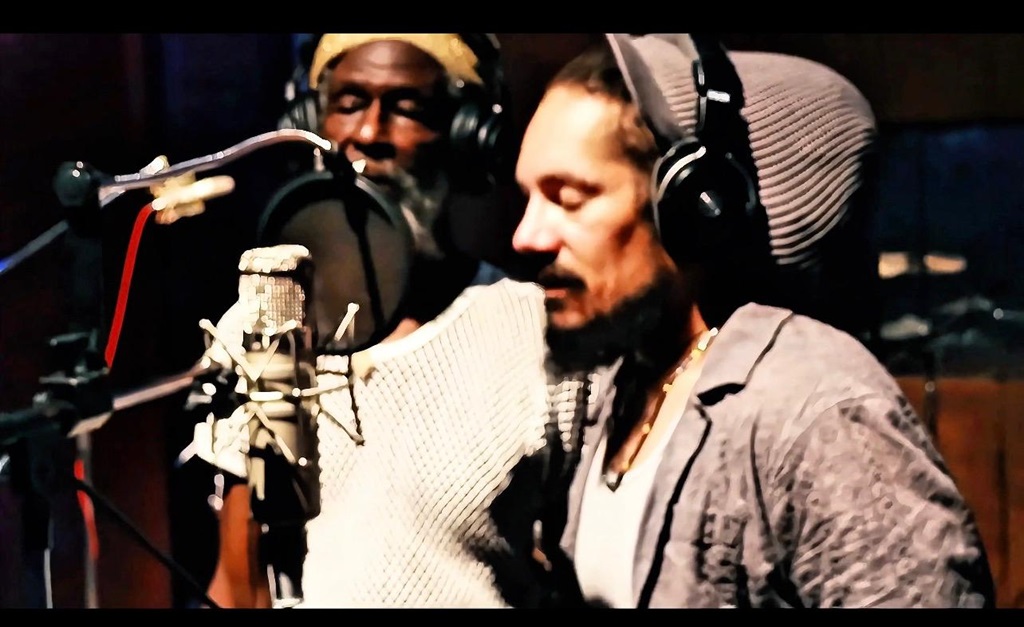

Fitz-Henley says action to support journalists’ welfare would strengthen Jamaica’s democracy
Translated from English and summarized by DistantNews. Read the original for the full story.
At a glance
News
Named sources
Context piece
- State Minister Abka Fitz-Henley called for independent, reliable systems to support the welfare of journalists in Jamaica.
- Speaking at a vigil for late broadcaster Dervan Malcolm, he urged media leaders to consider better remuneration and care for journalists.
- Fitz-Henley acknowledged the financial pressure on traditional media, including falling advertising revenue and competition from new media.
Jamaica’s media leaders should move from discussion to action on journalists’ welfare, State Minister Abka Fitz-Henley said at a vigil honoring late broadcaster Dervan Malcolm.
Fitz-Henley, a former Press Association of Jamaica Journalist of the Year, praised Malcolm as one of the country’s finest media practitioners. He said Malcolm stood for fairness and transparency, worked hard and cared deeply about the wellbeing of colleagues across the media industry.
In order to maintain objectivity and the perception of lack of interference, there are definitely significant constraints on what Governments may do to implement systems which tend to the wellbeing of our independent media practitioners but I think a great tribute to Dervan and a credit to our democracy, would be if the captains of the media industry, to include the Media Association of Jamaica, have action-oriented deliberation on what more can be done to improve remuneration and care for our journalists who dedicate long hours to an often thankless vocation.
He acknowledged that government intervention carries limits because independent media must avoid both interference and the perception of interference. But he said media industry leaders, including the Media Association of Jamaica, could examine how to improve pay and care for journalists who work long hours in what is often a thankless profession.
“In order to maintain objectivity and the perception of lack of interference, there are definitely significant constraints on what Governments may do to implement systems which tend to the wellbeing of our independent media practitioners but I think a great tribute to Dervan and a credit to our democracy, would be if the captains of the media industry, to include the Media Association of Jamaica, have action-oriented deliberation on what more can be done to improve remuneration and care for our journalists who dedicate long hours to an often thankless vocation,” Fitz-Henley said.
He also pointed to the difficult financial position of traditional media organizations worldwide. Economic downturns often lead private companies to cut advertising budgets, immediately reducing media revenues, while outlets also try to adapt to opportunities created by new media.
I am aware of the challenges facing traditional media in terms of survival and the rise of new media and the need to pivot. It is true that when economic challenges arise across the globe, among the first budgets which are cut in private enterprise is the advertising budget, hence revenue to media entities immediately are slashed.
“It is a tough environment which requires dynamic thought and innovation to overcome,” Fitz-Henley said. He added that many international media organizations could not claim strong financial liquidity, but argued that serious deliberation could still produce better support for the people relied upon to keep the nation informed.
He cited international welfare and emergency assistance programs as possible models. These programs often involve nongovernmental organizations, press freedom unions and charitable trusts, with some groups operating funds for journalists facing medical, financial, physical or legal hardship.
It is a tough environment which requires dynamic thought and innovation to overcome. Many media entities across the globe are generally not in a state where they may boast about financial liquidity.
About this summary
Originally published by Jamaica Observer in English. Translated, summarized, and contextualized automatically by DistantNews, with a note on how the source frames the story. Not individually reviewed before publishing. How this works.
More Stories


From Our Blog

News in Translation: What Gets Lost, and How We Keep the Framing

Diaspora Media: How Communities Follow News From Home

Traveling Where the Press Is Not Free: How to Read the News There

The Digital Nomad's Guide to Local News

The Same Story, Different Countries: How Coverage Changes at the Border
