


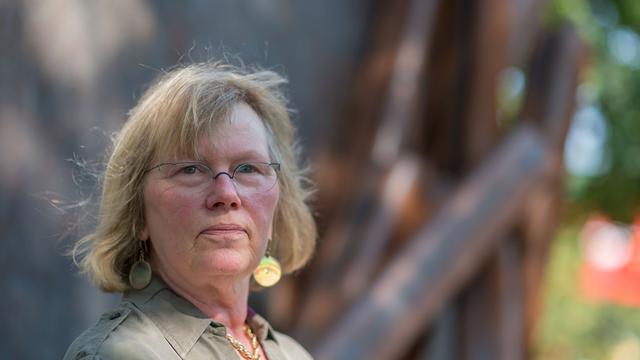
Five Years After Ahrtal Flood, Expert Says Healing Cannot Be Rushed
Translated from German, summarized and contextualized by DistantNews.
At a glance
News
From a news agency
Context piece
- Five years after the devastating flood in Germany's Ahrtal valley, many survivors still grapple with psychological trauma.
- A trauma expert emphasizes that healing is a personal journey with no set timeline, urging against pressure on survivors.
- Community support and shared experiences are crucial for survivors, helping them integrate their trauma rather than forget it.
Five years on from the catastrophic flood that devastated Germany's Ahrtal valley, the psychological scars remain deeply felt by many survivors. Trauma expert Sybille Jatzko, who has counseled survivors of disasters including the 1988 Ramstein air show tragedy, stresses that this prolonged impact is a natural human response. "Many think that after a few years, the debilitating consequences must be over. You learn to live with what you experienced. But it will never disappear," Jatzko told the German Press Agency.
Many think that after a few years, the debilitating consequences must be over. You learn to live with what you experienced. But it will never disappear.
Drawing parallels with the Ramstein disaster, Jatzko noted that individuals cope with severe trauma in vastly different ways. Some seek support early, while others require years, even decades, to process their experiences. "After Ramstein, some affected people didn't join our groups until ten years later," she recalled. The expert's key lesson for the Ahrtal flood survivors is that there is no universal timetable for healing. "Every person has their own time," she stated, emphasizing the importance of not pressuring survivors.
After Ramstein, some affected people didn't join our groups until ten years later. The answer is simple: Because the people were ready then.
Jatzko advocates for listening over offering unsolicited advice, cautioning against judgment and external expectations. "Nobody benefits when others say: It should be okay by now," she remarked. Survivors often find themselves revisited by memories triggered by anniversaries, media coverage, or similar events. Jatzko clarifies that this does not signify a failure in their recovery process but rather indicates that the experience remains an integral part of their lives. She prefers the term "integration" over "processing," defining success not as forgetting but as achieving the ability to live with the experience without it constantly dominating daily life.
There is no fixed timetable for processing such experiences. Every person has their own time.
This integration is achieved when individuals can share their stories without being overwhelmed by fear, insomnia, or panic. While they might still feel chills or sadness, they gain a crucial distance from the event. Jatzko also highlighted the profound significance of community, a lesson reinforced by the Ramstein aftermath. Many survivors have forged strong bonds over the years, transforming "aftercare groups into communities of fate." These connections provide mutual understanding born from shared, harrowing experiences.
People themselves usually know best when they can talk, how much they want to share, and what does them good. You have to let them make that decision.
DistantNews Editorial
Originally published by Die Zeit in German. Translated, summarized, and contextualized by our editorial team with added local perspective. Read our editorial standards.
More Stories

From Our Blog

What Gets Lost (and Found) When News Is Translated

How the Same Story Looks Different in Different Countries

The Critical Role of Diaspora Media in Global News

What Travellers Should Know About Countries with Restricted Press

A Digital Nomad's Guide to Following Local News
