




Flooding could carry metals and microplastics into the Drava River
Translated from Croatian and summarized by DistantNews. Read the original for the full story.
At a glance
News
Documents & data
Under investigation
- A University of Zagreb investigation found about 5,000 tonnes of illegally dumped waste at a former furniture factory site in Varaždin, near the Drava River.
- Tests detected plastics, metals, pathogens, elevated levels of some metals, microplastics and signs of sanitary and microbiological contamination.
- The northern waste zone poses the main environmental burden, while researchers said further assessment is needed to determine whether the material exceeds ecotoxicity thresholds.
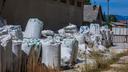
About 5,000 tonnes of illegally dumped waste have been found at the former Florijan Bobić furniture factory site in Varaždin, roughly 500 metres from the Drava River. Experts warn that the waste could continue to burden the environment physically, chemically and sanit arily for as long as it remains there.
The Geotechnical Faculty of the University of Zagreb searched the site on February 10 under an order from an investigating judge at Varaždin County Court. Investigators identified two separate waste zones. In the north, waste formed a grassy mound covering about 1,700 square metres. In the south, waste had been buried and was not visible at the surface.
Samples taken with an excavator showed heterogeneous, layered and mechanically processed mixed waste. It contained plastic, textile fibres, metal, wood and glass. Researchers also found pathogenic microorganisms, including Escherichia coli and Staphylococcus aureus, which can occur in medical and biological waste. Some metals appeared at elevated levels, but the investigation found no indication of acute toxic waste such as mercury, cyanide or pesticides, and no evidence of carcinogenic waste.
The northern zone contained about 1,352 tonnes and represented the main source of environmental pressure. Microplastics appeared in almost all analysed layers, alongside local changes in soil chemistry, increased dissolved organic carbon and sanitary and microbiological contamination. The report said dissolved organic carbon exceeded the acceptance criterion for non-hazardous waste landfills in many samples, increasing the potential for polluted leachate, oxygen depletion and local oxygen-free conditions underground. The southern zone contained at least 30 tonnes of largely mineral, sludge-like material of unknown origin. Researchers identified signs of ecotoxicity, but did not establish that concentrations exceeded regulatory thresholds and said further evaluation was necessary.
About this summary
Originally published by Večernji List in Croatian. Translated, summarized, and contextualized automatically by DistantNews, with a note on how the source frames the story. Not individually reviewed before publishing. How this works.
More Stories

From Our Blog

News in Translation: What Gets Lost, and How We Keep the Framing

Diaspora Media: How Communities Follow News From Home

Traveling Where the Press Is Not Free: How to Read the News There

The Digital Nomad's Guide to Local News

The Same Story, Different Countries: How Coverage Changes at the Border
