

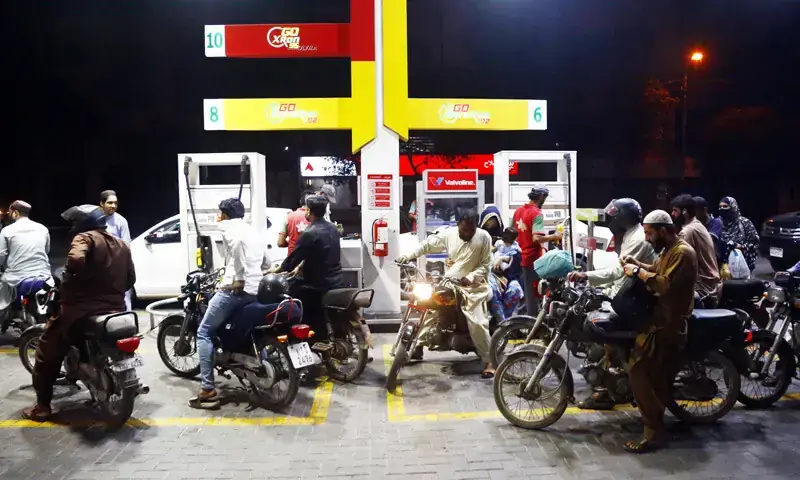

Folly of chasing exchange rate
Summarized and contextualized by DistantNews.
At a glance
Analysis
Sources not specified
Context piece
- Pakistan's economic discourse uses outdated terms like 'devaluation' for currency weakening.
- Policymakers and media debate defending or strengthening the rupee, treating it as a policy tool.
- Experts argue the exchange rate is a market price reflecting economic fundamentals, not an administrative decision.
Pakistan's economic conversation is stuck in the past, clinging to outdated vocabulary when discussing the rupee's value. The recurring narrative of 'devaluation' and debates over whether to defend or strengthen the currency reveal a fundamental misunderstanding of its nature.
Media headlines frequently declare 'devaluation' each time the rupee weakens, and policymakers engage in discussions about defending or strengthening it as if it were a simple policy lever. This perspective ignores the reality that for most countries, currencies fluctuate more freely. The exchange rate is not an administrative decision but the market's price for a nation's currency against others.
This market price is shaped by a complex interplay of factors. Domestic inflation relative to trading partners, interest rate differentials, productivity levels, government spending, external balances, capital flows, foreign currency reserves, and, crucially, market expectations all influence the exchange rate. When an economy becomes unbalanced, the currency must adjust to prevent a more disruptive crisis, a lesson Pakistan's own history has demonstrated. Treating the exchange rate as a mere administrative tool, rather than a reflection of economic health, hinders effective policy and perpetuates a cycle of crisis.
DistantNews Editorial
Originally published by Dawn. Summarized and contextualized by our editorial team with added local perspective. Read our editorial standards.
More Stories

From Our Blog

What Gets Lost (and Found) When News Is Translated

The Critical Role of Diaspora Media in Global News

What Travellers Should Know About Countries with Restricted Press

A Digital Nomad's Guide to Following Local News

How the Same Story Looks Different in Different Countries
