


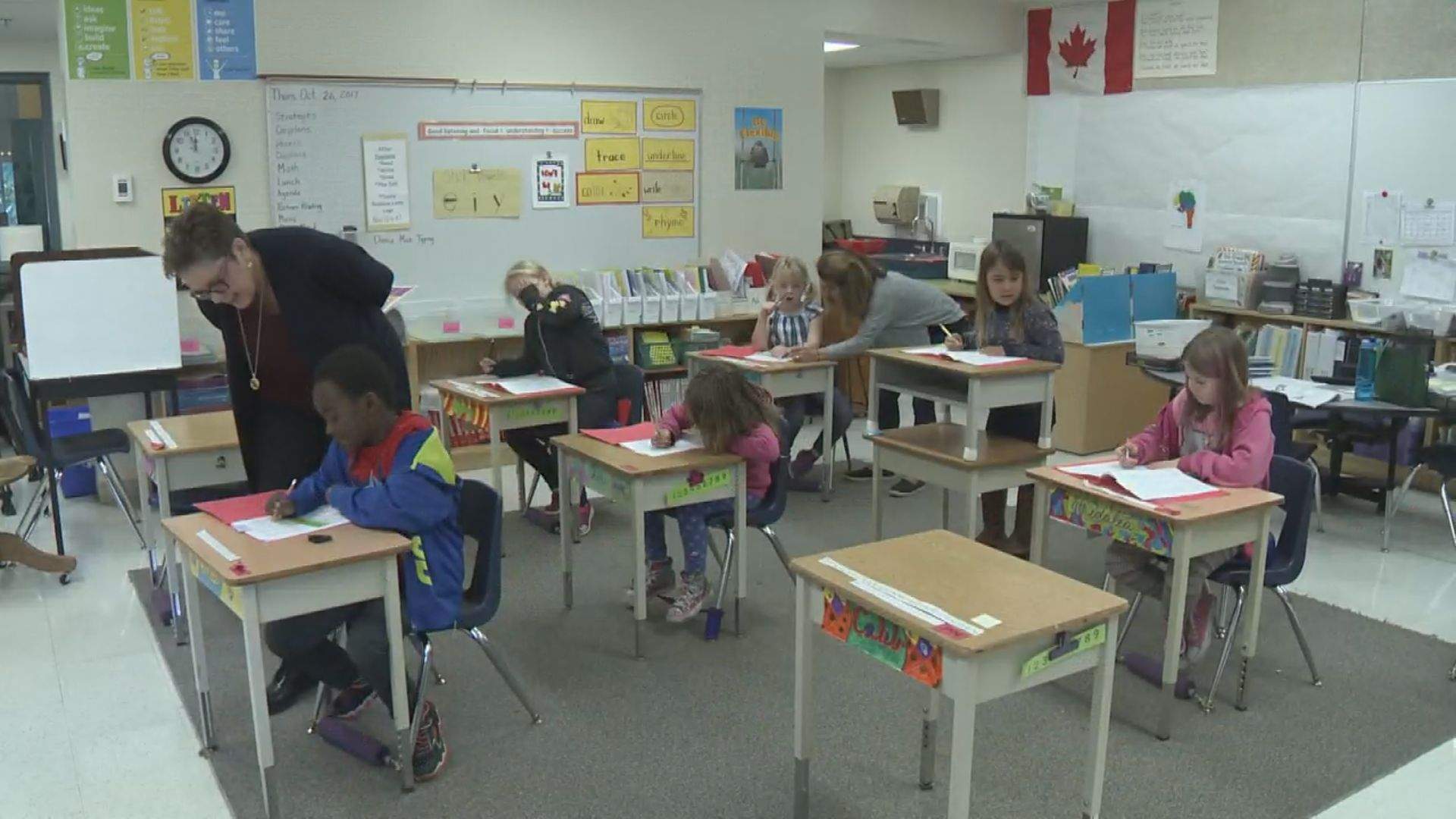

Food allergy education a must as kids head back to school, doctors say
Summarized by DistantNews. Read the original for the full story.
At a glance
News
Named sources
Context piece
- More than 600,000 Canadian children under 18 have food allergies, making back-to-school planning important for families and teachers.
- Doctors urge students to understand how to use epinephrine devices and inhalers, recognize worsening symptoms and seek help quickly.
- Allergists warn that school transitions, new exposures, colds and flu can increase the risk of allergic reactions and asthma flare-ups.
As Canadian students return to school, children with food allergies and their families need to prepare for more than classes and homework. Food Allergy Canada says more than 600,000 children under 18 have a food allergy.
That increased stress from the flux and the transition can definitely impact allergic and immunologic disease.
Dr. Samira Jeimy, an allergist in London, Ontario, said the stress of starting or returning to school can affect allergic and immune-related conditions. New or changing exposures in September can also create additional risks.
Doctors advise parents to review allergy plans with children and teachers. Students should know how to recognize symptoms, use an EpiPen correctly and seek extra help when needed. Children with allergic asthma should also review when and how to use their inhalers.
We always anticipate a lot of asthma exacerbations when school starts.
Jeimy said asthma flare-ups often increase when school begins, with colds and flu among the major triggers. Dr. Allan Grill of Markham-Stouffville Hospital said life-threatening outcomes can be prevented when students carry their epinephrine devices, recognize warning signs and administer them properly.
These life-threatening outcomes are totally preventable if people are educated, the students have the EpiPen on them, they know what symptoms to look out for, it’s administered properly.
About this summary
Originally published by Global News. Summarized and contextualized automatically by DistantNews, with a note on how the source frames the story. Not individually reviewed before publishing. How this works.
More Stories

From Our Blog

News in Translation: What Gets Lost, and How We Keep the Framing

Diaspora Media: How Communities Follow News From Home

Traveling Where the Press Is Not Free: How to Read the News There

The Digital Nomad's Guide to Local News

The Same Story, Different Countries: How Coverage Changes at the Border
