

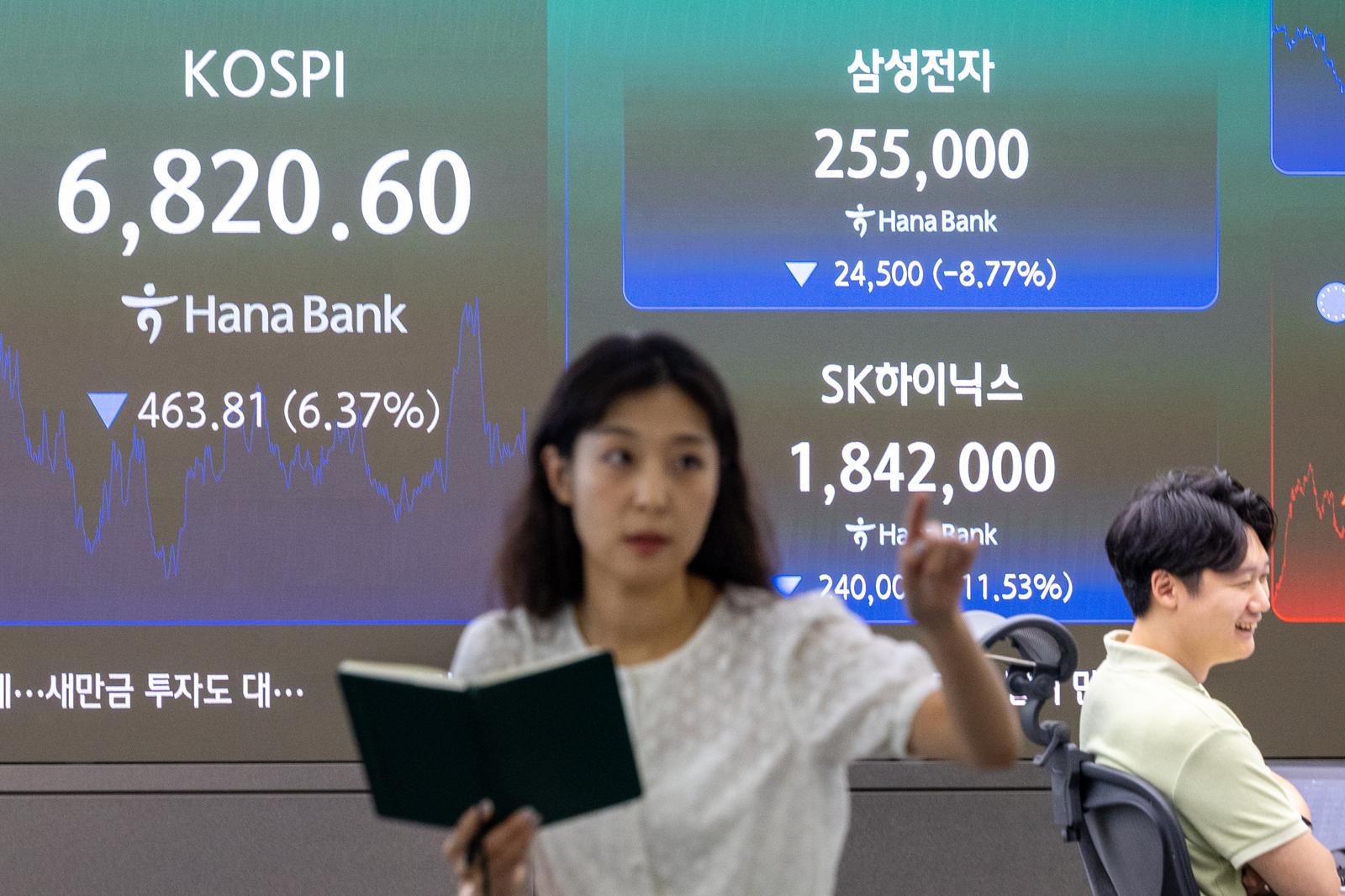
Food industry raises prices after being constrained by inflation control
Translated from Korean, summarized and contextualized by DistantNews.
At a glance
News
Sources not specified
Context piece
- South Korean food companies are raising prices due to accumulated cost burdens from a prolonged high exchange rate and global instability.
- Major firms like CJ CheilJedang, Ottogi, and Sajo will increase prices on various products, with some hikes reaching up to 20%.
- Companies had previously delayed price increases to align with the government's inflation control efforts but can no longer absorb rising costs.
South Korean food manufacturers are finally raising prices after absorbing prolonged cost increases driven by a high exchange rate and global instability. Companies like CJ CheilJedang, Ottogi, and Sajo are implementing price adjustments on dozens of products this month.
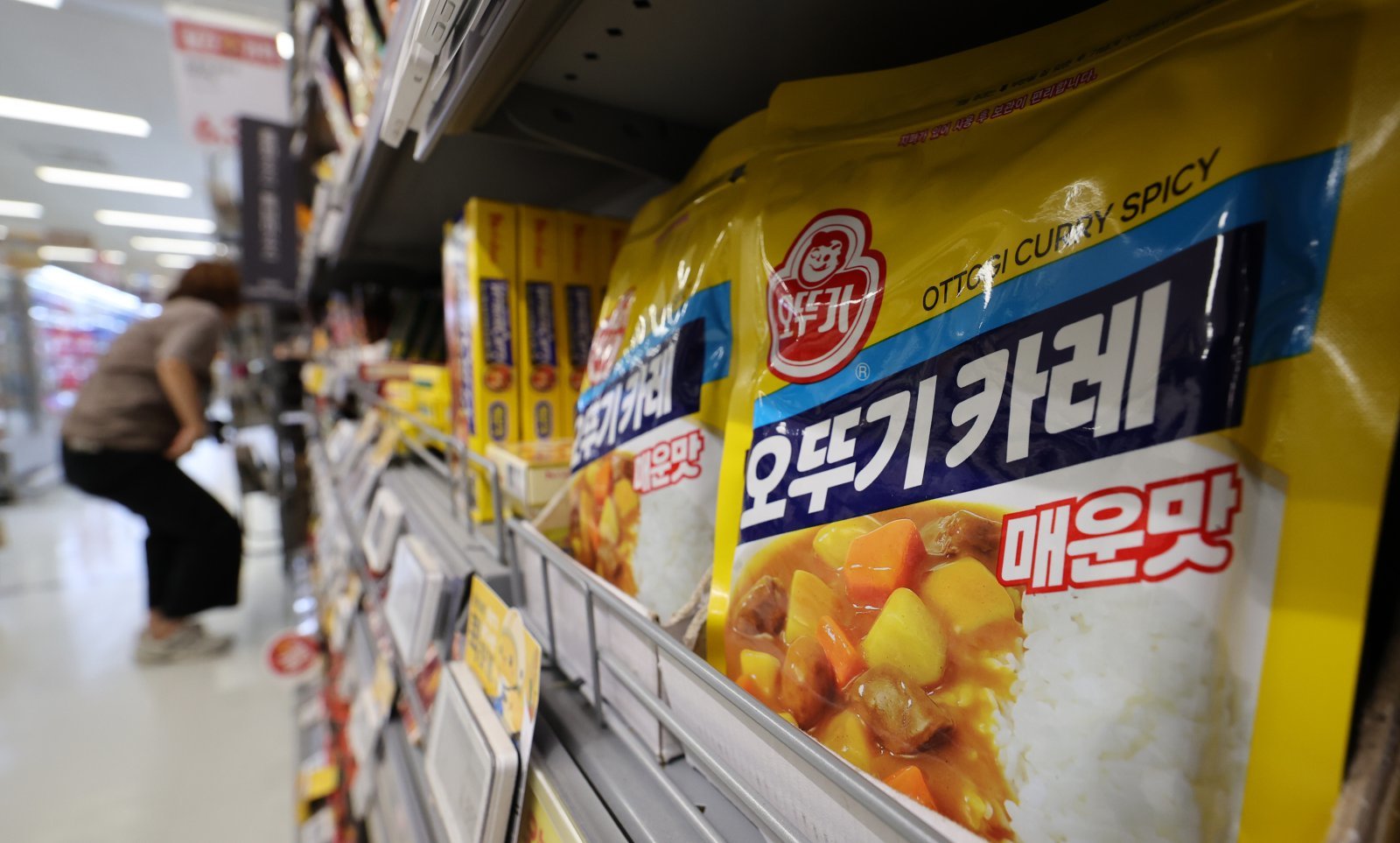
CJ CheilJedang will increase prices by an average of 8% on 27 items, including its popular Hetbahn instant rice, dumplings, and grilled fish, starting July 30. Ottogi has already raised prices by up to 17% on 29 items such as curry, glass noodles, and ketchup since July 16. Sajo will follow suit on August 3, increasing prices on items like tuna cans and mackerel by up to 20%, and sauces and cooking oils by 12%.
Food companies are highly sensitive to exchange rate fluctuations and global affairs because they import a significant portion of their main raw materials.
These companies had previously resisted price hikes to support the government's efforts to stabilize inflation. However, rising costs for raw materials, packaging, labor, and energy have become unsustainable. The weakening won against foreign currencies makes imported ingredients more expensive, while global events like the conflict in Iran have increased shipping and energy costs.
Industry insiders note that these price increases are not arbitrary but a reflection of long-term cost pressures. With continued increases in minimum wage and logistics expenses, the financial strain on food companies is expected to persist.
Additional cost factors such as minimum wage increases and logistics burdens remain, so the industry's difficulties will continue for the time being.
DistantNews Editorial
Originally published by Dong-A Ilbo in Korean. Translated, summarized, and contextualized by our editorial team with added local perspective. Read our editorial standards.
More Stories



From Our Blog

What Gets Lost (and Found) When News Is Translated

The Critical Role of Diaspora Media in Global News

What Travellers Should Know About Countries with Restricted Press

A Digital Nomad's Guide to Following Local News

How the Same Story Looks Different in Different Countries
