

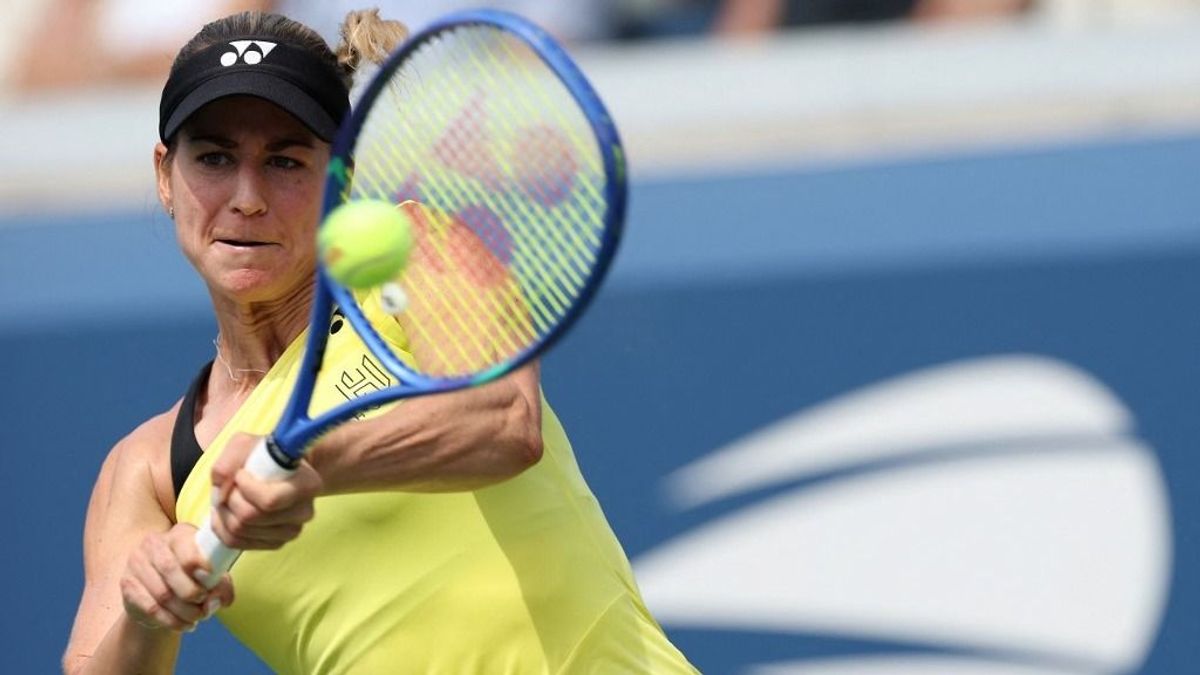

Footballers Naturalize for World Cup Push as Nations Vie for Talent
Translated from Hungarian and summarized by DistantNews. Read the original for the full story.
At a glance
News
Named sources
Context piece
- Several footballers are being naturalized or have switched national teams to play in the upcoming 2026 World Cup.
- Players like Lenny Joseph (Haiti), Luca Zidane (Algeria), and Rani Khedira (Tunisia) are examples of this trend.
- Morocco leads in naturalizations this year with eight players, while Senegal has also secured new talent despite recent setbacks.
As the 2026 FIFA World Cup approaches, a fascinating trend is unfolding across international football: the strategic pursuit and naturalization of players to bolster national team squads. This phenomenon is particularly evident in African nations, where several countries are actively recruiting players with dual nationalities or heritage to enhance their chances on the global stage.
The article highlights several prominent examples. Lenny Joseph, a French-born forward for Ferencváros (FTC), is set to represent Haiti. Luca Zidane, son of the legendary Zinedine Zidane, is reportedly hoping for a call-up to the Algerian squad, while Rani Khedira, brother of former German international Sami Khedira, is playing for Tunisia. These players, while having roots or birthplaces elsewhere, are now aligning with nations that offer them a pathway to World Cup participation.
Morocco stands out as a leader in this player acquisition strategy, having successfully naturalized eight players this year alone. This aggressive approach follows their historic semi-final run in the previous World Cup, demonstrating a continued commitment to scouting and integrating talent with Moroccan heritage. Senegal, despite a recent loss in the Africa Cup of Nations final, has also managed to secure promising young players, including Chelsea's Mamadou Sarr and PSG's Ibrahim Mbaye, who could have potentially represented France.
The article also touches upon the complex diplomatic and administrative efforts involved. Some players have reportedly sought legal assistance to navigate the FIFA regulations and secure their eligibility. The case of Issa Diop, a midfielder for Fulham, is particularly noteworthy. He was courted by both his father's homeland, Senegal, and his mother's homeland, Morocco, ultimately choosing Morocco. This decision marked another diplomatic victory for Morocco over Senegal, especially after the controversial Africa Cup of Nations final where Morocco was awarded the win on a technicality despite Senegal winning on the field.
This trend of player naturalization and national team switching is reshaping the landscape of international football, particularly for nations striving to compete at the highest level. It raises questions about national identity, player loyalty, and the evolving nature of globalized sports, offering a unique perspective from countries eager to make their mark on the world stage.
I am very happy to be in a team with many good players, I think I made a good decision.
About this summary
Originally published by Magyar Nemzet in Hungarian. Translated, summarized, and contextualized automatically by DistantNews, with a note on how the source frames the story. Not individually reviewed before publishing. How this works.
More Stories
From Our Blog

Countries Without a Free Press: The 2026 List and What It Means for Readers

What Press Freedom Means for the News You Read

News in Translation: What Gets Lost, and How We Keep the Framing

Diaspora Media: How Communities Abroad Follow Home

Traveling Where the Press Is Not Free: How to Read the News There
