


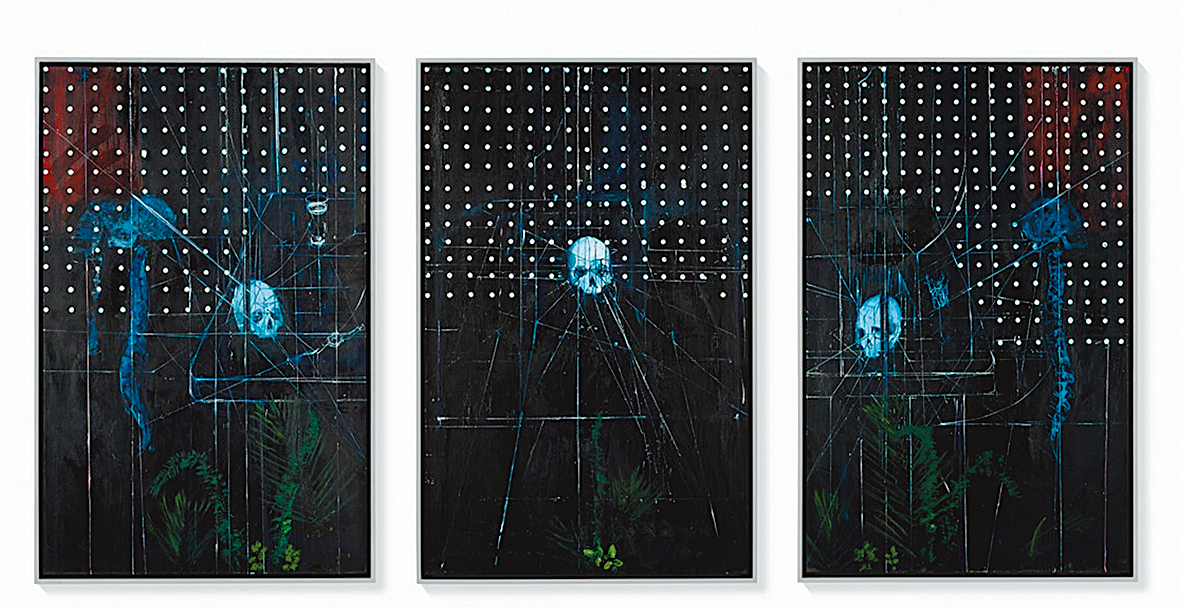

For Sol LeWitt, art was a collection of ideas, not manual skill
Translated from Korean and summarized by DistantNews. Read the original for the full story.
At a glance
In-depth
Sources not specified
Context piece
- The Amorepacific Museum of Art in Seoul has opened a major exhibition of Sol LeWitt’s work titled “Open Structure.”
- The exhibition presents geometric structures, lines and grids that reflect LeWitt’s view that ideas, rather than the artist’s hand, form the core of conceptual art.
At the Amorepacific Museum of Art in Seoul, visitors entering “Sol LeWitt: Open Structure” are asked to look beyond the visual spectacle of art. Instead of dazzling colors or expressive brushwork, they first encounter cool geometric forms.
The exhibition, which opened on the first day of the month in Seoul’s Yongsan district, features large-scale presentations of LeWitt’s work. Precisely constructed cubes and walls covered with orderly lines and grids seem to deliver a quiet instruction: do not merely look, think your way through the work.
LeWitt, a pioneer of American conceptual art, set out his position in a 1967 essay. “The most important thing about conceptual art is the idea. When an artist uses a conceptual form in art, it means that all of the planning and decisions are made beforehand and the execution is a perfunctory affair. The idea becomes the machine that makes the art.”
The most important thing about conceptual art is the idea. When an artist uses a conceptual form in art, it means that all of the planning and decisions are made beforehand and the execution is a perfunctory affair. The idea becomes the machine that makes the art.
About this summary
Originally published by Dong-A Ilbo in Korean. Translated, summarized, and contextualized automatically by DistantNews, with a note on how the source frames the story. Not individually reviewed before publishing. How this works.
More Stories
From Our Blog

News in Translation: What Gets Lost, and How We Keep the Framing

Diaspora Media: How Communities Follow News From Home

Traveling Where the Press Is Not Free: How to Read the News There

The Digital Nomad's Guide to Local News

The Same Story, Different Countries: How Coverage Changes at the Border
